I’ve been tending to plants since I was a kid, digging through my grandfather’s garden in New Mexico and learning how even the toughest cacti needed care. There’s something about watching seeds turn into life that never gets old. This site is my way of paying forward all the lessons I’ve picked up—whether it’s reviving a wilting houseplant or coaxing tomatoes to thrive in a small urban plot. I write the way I garden: with patience, a little trial and error, and a healthy dose of curiosity.
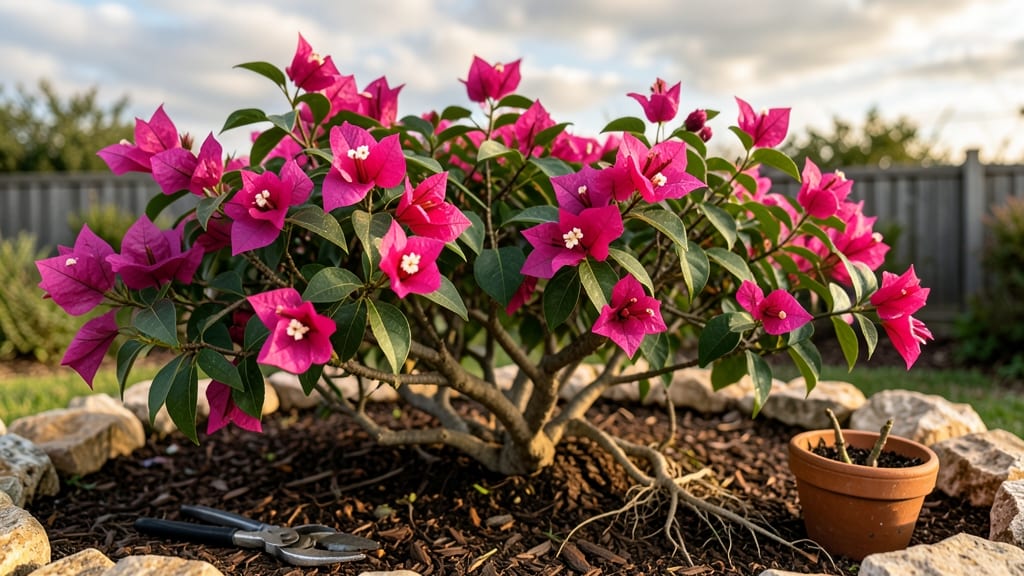
💥 Quick Answer Bougainvillea plants are not perennial in cold climates—they thrive as tender perennials only in USDA Zones 10-12, where they survive year-round. Outside these zones, frost will kill their stems, though…
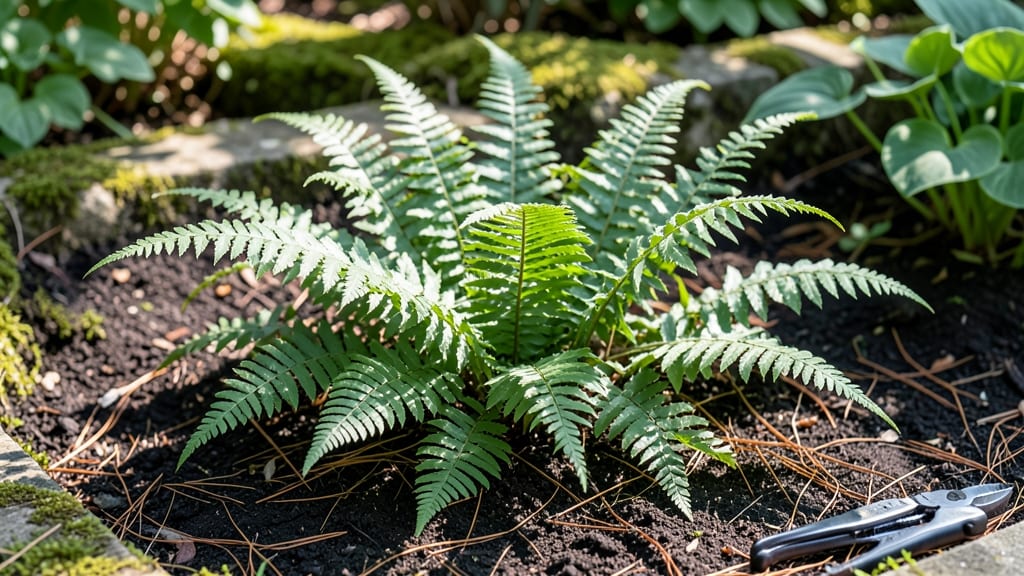
💥 Quick Answer Kimberly Queen ferns are indeed perennials, thriving as hardy plants in USDA zones 5–9. They return each growing season after their fronds die back in winter, regenerating from underground rhizomes when…
Morning sun and afternoon shade perennials 🌸 are the secret weapon for gardens that get hit by both bright morning rays and the afternoon’s cooler, gentler light. Struggling to find plants that don’t wilt when the sun…
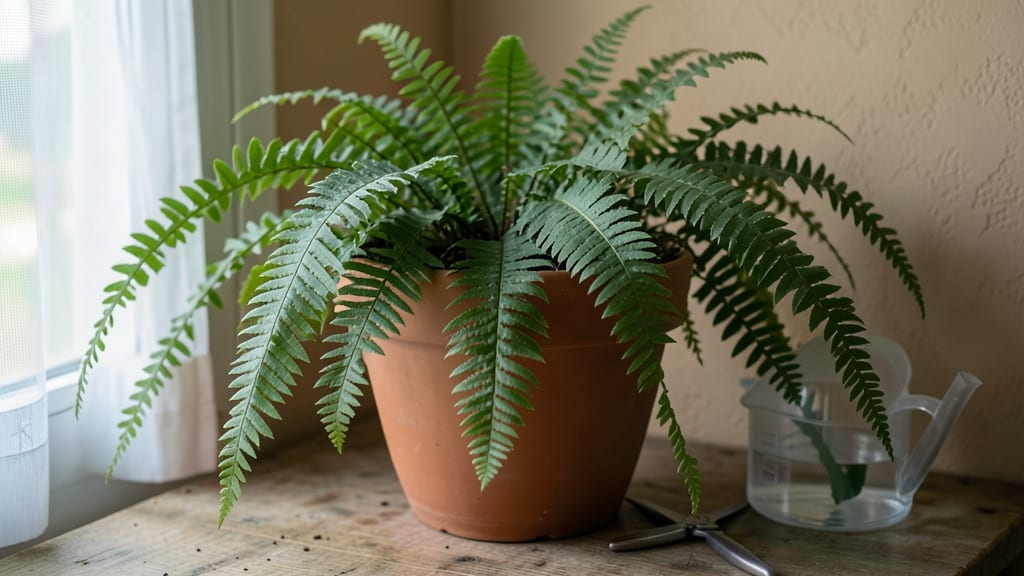
💥 Quick Answer Hanging ferns qualify as perennials in USDA zones 9-11, where they maintain lush growth year-round with consistent moisture and filtered light. Outside these zones, they typically die back annually unless…
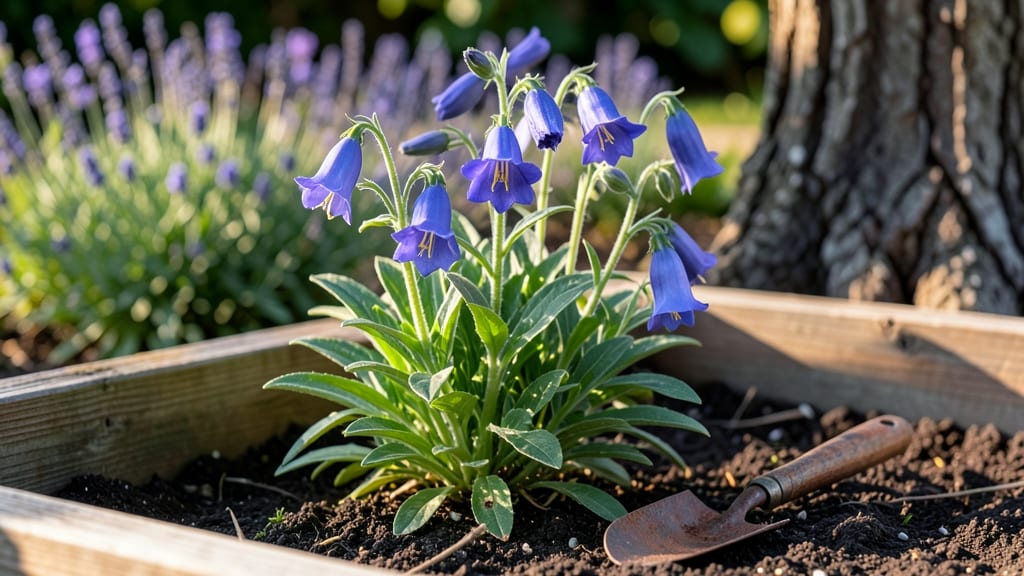
💥 Quick Answer Canterbury bells are not perennial in most climates, dying back to the ground each winter and returning only in frost-free zones (USDA 5-9). Their biennial nature means they bloom profusely in their…
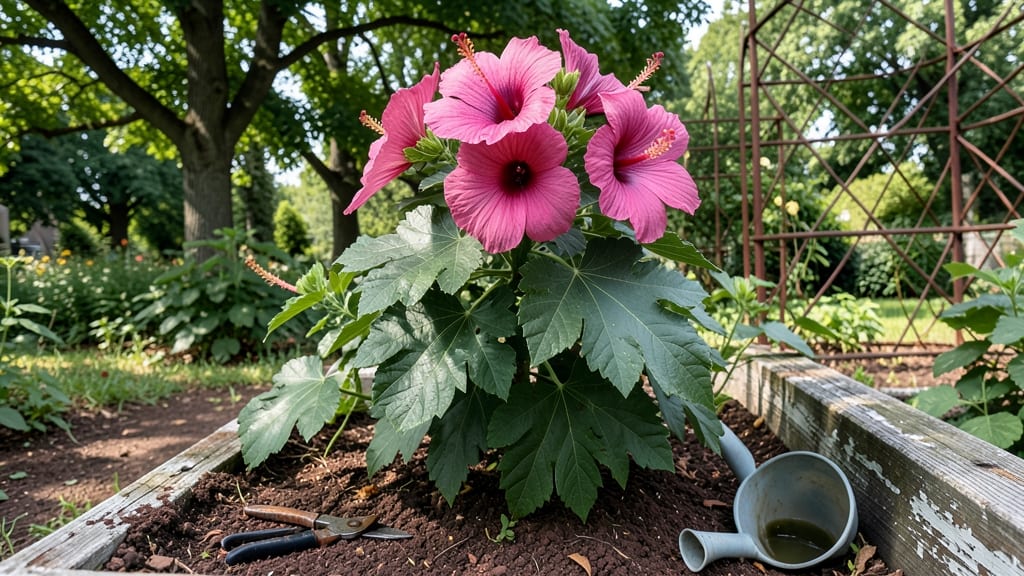
💥 Quick Answer Perennial hibiscus thrives in Zone 6 with proper winter protection and cold-resistant varieties like Hibiscus moscheutos or Hibiscus coccineus , which tolerate temperatures down to 0°F when mulched and…
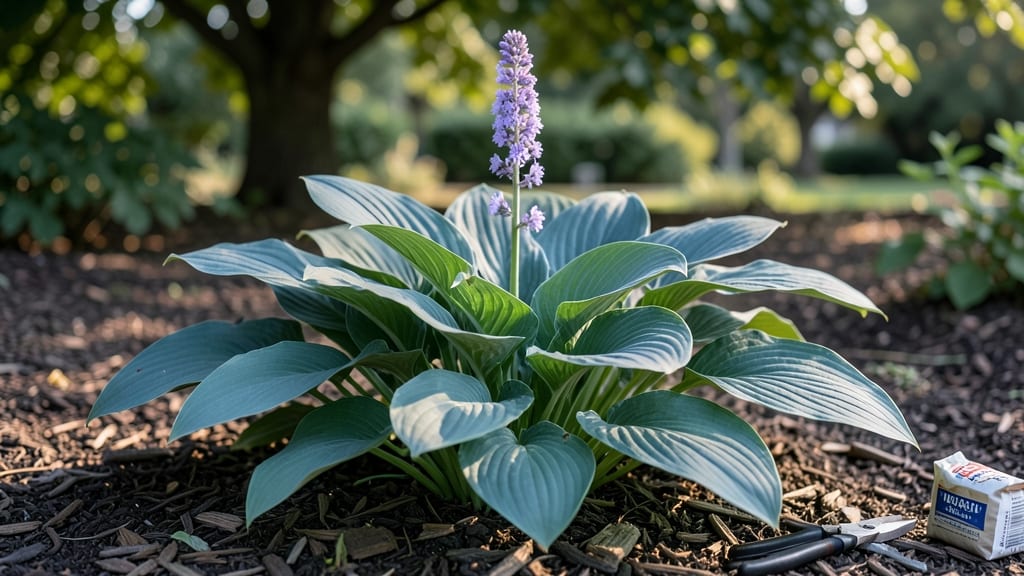
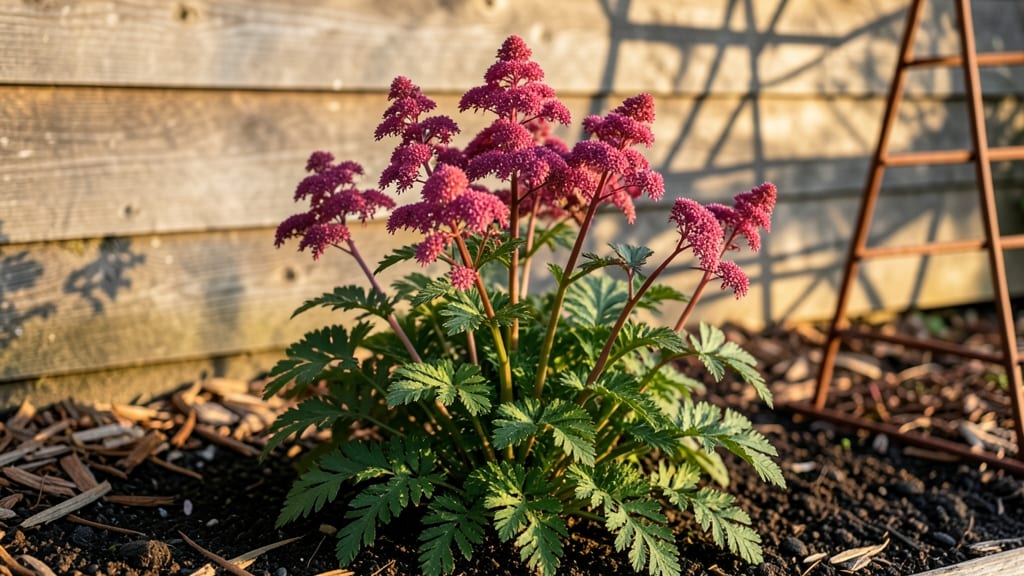
Tall shade perennials in Zone 5 don’t just survive—they steal the show with bold foliage and flowers that outlast summer heatwaves and winter snaps. 🌿 I’ve spent years hunting for plants that reach for the sky while…
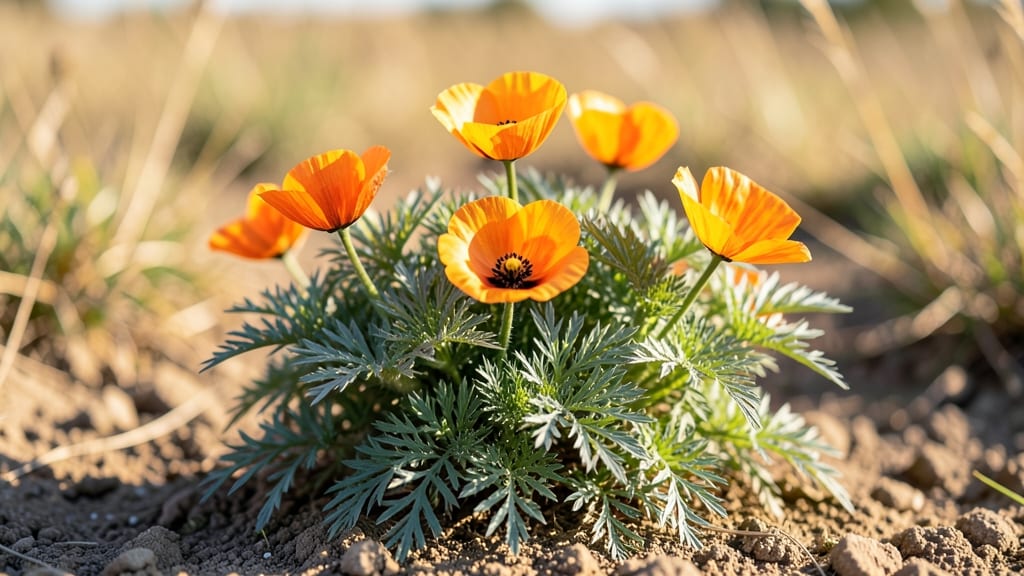
💥 Quick Answer California poppies are annuals in most climates but can behave as short-lived perennials in mild winter zones, reblooming from the same root if conditions allow. Their lifespan depends on frost exposure…
Deciding which flowers come back—annuals or perennials—can save you time, money, and the heartbreak of replanting marigolds like they’re a new romance. 🌻 Annuals like zinnias and sunflowers put on one spectacular show…
💥 Quick Answer The best time to transplant perennial flowers is during early spring or early fall, when soil temperatures are mild and plants are in a dormant or actively growing phase. Avoid transplanting during…