
Flowers
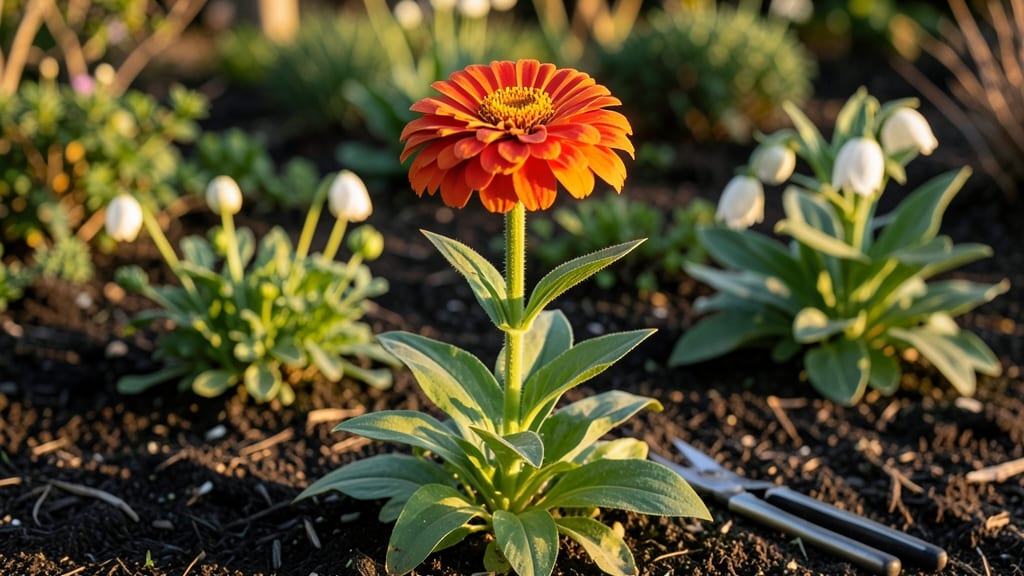
Deciding which flowers come back—annuals or perennials—can save you time, money, and the heartbreak of replanting marigolds like they’re a new romance. 🌻 Annuals like zinnias and sunflowers put on one spectacular show before bowing out, while perennials—think lavender, coneflowers, and black-eyed Susans—come back stronger each spring, often with less fuss.
The difference boils down to roots and resilience. Annuals focus their energy on blooms and seeds, dying back when frost hits, while perennials store energy underground to push through snow and emerge unfazed.
That’s why your garden can look like a postcard in June with just a few well-chosen perennials mixed in.
Here’s the game-changer: pair bold annuals for summer color with hardy perennials for structure. Plant daylilies (perennial) as your backbone, then tuck in petunias (annual) around them for instant impact. By late fall, the perennials will still be standing, ready to remind you why you love gardening.
Seasoned gardeners swear by this combo—it cuts replanting work in half while keeping your beds lively from spring to frost. Now, let’s get those blooms back year after year without the guesswork.
The Biology Behind Bloom Longevity
Ever wonder why some flowers stage a dramatic one-season exit while others return year after year like loyal garden friends? The answer lies in their life cycles and biological adaptations.
Let’s break down the science behind why flowers either annuals or perennials behave the way they do—and how nature’s timeline plays a role.
Annuals and perennials follow fundamentally different survival strategies, shaped by their growth habits and energy allocation. Here’s how their life cycles dictate whether they’ll return:
- Annuals: The Fast-Lane Strategists
- Complete their life cycle in one season (seed → flower → seed → death).
- Prioritize rapid reproduction over longevity. They invest all their energy into growing, flowering, and setting seed before harsh weather or competition kills them.
- Example: Marigolds, zinnias, and sunflowers. Their seeds lie dormant until conditions are perfect, then germinate, bloom, and die in 6–12 months.
- Perennials: The Slow-and-Steady Winners
- Survive multiple years by storing energy in underground structures (rhizomes, bulbs, tubers, or roots).
- Allocate resources to vegetative growth first, then flowering. This ensures they can regrow from the same root system season after season.
- Example: Peonies, coneflowers, and hostas. Their roots act like a biological savings account, storing starches and nutrients to fuel next year’s growth.
💡 Pro Tip: Perennials often have woody stems or thick roots—think of them as nature’s version of a survivalist. Annuals, meanwhile, are the sprinters of the plant world, designed to colonize quickly before their time runs out.
Not all flowers follow the same script because environmental cues dictate when (or if) they’ll return. Temperature, daylight, and moisture act like a countdown timer for dormancy or regrowth:
- Cold Hardiness: The Freezer Test
- Perennials require a period of cold (vernalization) to break dormancy. Without it, they may fail to regrow in warm climates.
- Example: Tender perennials like cannas or dahlias die back in frost but regrow from tubers in spring—unless you live in a frost-free zone, where they may act like annuals.
- Daylight Hours: The Photoperiod Rule
- Some plants (like short-day plants) need specific light conditions to flower. If daylight shifts (e.g., moving a plant indoors), their internal clock gets confused, and they may skip flowering or die.
- Example: Poinsettias (technically perennials) require short days to bloom. Without them, they revert to a leafy, non-flowering state.
- Water and Soil Stress
- Drought or poor soil can weaken perennials, causing them to put all energy into survival rather than reblooming.
- Example: Lavender may stop flowering if overwatered, as it’s adapted to dry, well-drained conditions.
✨ Actionable Fix: Research your USDA hardiness zone and plant specific perennials that thrive in your climate. For example, black-eyed Susans are hardy in zones 3–9, while bougainvilleas (often treated as annuals) need zone 10+ to return.
At the core, whether a plant returns boils down to genetics. Here’s how DNA decides the fate of your flowers:
- Annuals: The "Set It and Forget It" Gene
- Their genetic code is hardwired for one-and-done growth. They cannot regenerate from roots or stems—they must rely on seeds.
- Example: Basil (an annual) will bolt and die if it gets cold, with no way to regrow from cuttings or roots.
- Perennials: The "Come Back Stronger" Gene
- They’ve evolved meristems (growth points) in roots, bulbs, or crowns that remain dormant but alive underground.
- Example: Daylilies have rhizomes that store energy and sprout anew each spring, even after being frozen or cut back.
Key Genetic Difference: Annuals prioritize seed production, while perennials prioritize vegetative survival. Think of it like a battle between reproduction speed and longevity.
🎯 Deep Dive: Some plants are biennials (like carrots or foxgloves), which take two years to complete their life cycle. They store energy in the first year (leaf growth) and flower and die in the second—a hybrid strategy between annuals and perennials!
Understanding these biological and environmental factors helps you predict—and control—whether your flowers will return. Next, we’ll explore how to hack these natural processes to keep your perennials thriving (or trick annuals into sticking around longer!).
How to Tell Which Flowers Return
Now that you know why some flowers fade away while others bounce back, here’s how to identify, track, and plan for returning blooms like a pro.
Whether you’re a seasoned gardener or a curious beginner, these practical steps will help you distinguish between annuals and perennials—and keep your garden thriving year after year.
Many nurseries and garden centers label plants with their lifecycle type. Look for terms like:
- Annual (e.g., Marigold, Petunia, Zinnia)
- Perennial (e.g., Coneflower, Black-Eyed Susan, Lavender)
- Biennial (e.g., Foxglove, Sweet William—these bloom the second year and may die after).
💡 Pro Tip: If labels are missing, take a photo of the plant or tag it yourself with a marker. A quick online search (e.g., “Is plant name an annual or perennial?”) will save you guesswork.
Not all plants follow the rules, so watch how they behave in your garden: - Annuals typically grow quickly, bloom prolifically in one season, and die off by winter (unless they self-seed, like cosmos or nasturtiums). - Perennials may take 1–2 years to establish but return stronger each spring.
Some (like peonies) even increase in size over time! - Self-seeding annuals (e.g., Calendula, Snapdragons) might act like perennials by popping up year after year from dropped seeds.
🌡️ Hot Tip: Keep a simple garden journal with notes like:
- Plant name
- Bloom time
- Did it return next year?
- Any die-off or regrowth?
Your hardiness zone (check USDA Plant Hardiness Zone Map) affects which plants survive winter.
For example: - Cold climates (Zones 3–5): Many perennials (e.g., Hostas, Daylilies) thrive, while tender annuals (like Geraniums) may not return. - Warm climates (Zones 8–11): Some “annuals” (e.g., Sweet Potato Vine) act like perennials because they never face freezing temps.
✨ Genius Hack: If you’re unsure, plant a mix of both! Annuals fill gaps with instant color, while perennials build a low-maintenance foundation.
Some “annuals” cheat the system:
- Self-seeders (e.g., Alyssum, Morning Glories) drop seeds that sprout the next year.
- Perennials with bulbs/rhizomes (e.g., Tulips, Iris) store energy underground to regrow.
🔥 Fire Tip: If a plant you thought was an annual keeps coming back, it’s likely a self-seeder or a mislabeled perennial. Dig up a few to check for bulbs or roots!
| Mistake | Fix |
|---|---|
| Overcrowding | Thin plants in spring to reduce competition for nutrients. |
| Poor soil | Amend with compost—perennials need rich soil to survive winter. |
| Late-season pruning | Cut back perennials in early spring (not fall) to avoid frost damage. |
| Ignoring mulch | Apply 2–3 inches of mulch in fall to insulate roots. |
| Assuming all “annuals” die | Test for self-seeding or underground growth before replanting. |
Before winter arrives, give your garden a health check:
- Label new plants (use stakes or a digital app like Gardenate).
- Take cuttings of favorite perennials (e.g., Coleus, Mint) to propagate.
- Collect seeds from self-seeding annuals for next year’s garden.
- Protect tender perennials with burlap or frost cloth in cold zones.
By mastering these steps, you’ll never wonder if a flower will return—you’ll know before you even plant it! 🌸
Frequently asked questions
How can I tell if a flower is an annual or perennial just by looking at it?
Check for underground structures like bulbs or thick roots—these are clues it’s a perennial. Annuals usually have thin stems and no visible storage organs. Observe growth patterns too: perennials often take 2+ years to mature while annuals bloom quickly in one season.
Will my self-seeding flowers (like cosmos) act like perennials?
Yes! While technically annuals, self-seeders like cosmos or alyssum drop seeds that sprout naturally each year. They create the illusion of returning. To confirm, dig up a few—if you find no bulbs or roots, it’s a self-seeder acting like a perennial.
Can I make annuals behave like perennials?
Not naturally, but you can save seeds from favorites like zinnias or nasturtiums to replant next year. For tender annuals (e.g., geraniums), bring them indoors before frost—they’ll survive as houseplants until warm weather returns.
Why do some perennials stop blooming after a few years?
Overcrowding or poor soil often causes this. Perennials need space to regenerate—thin them in spring and amend soil with compost. Some perennials (like peonies) naturally decline after 5-7 years and need dividing to rejuvenate.
What’s the easiest perennial for beginners?
Try coneflowers (Echinacea) or black-eyed Susans—they’re drought-tolerant, low-maintenance, and thrive in most USDA zones. These hardy perennials return reliably with minimal care, perfect for first-time gardeners.