
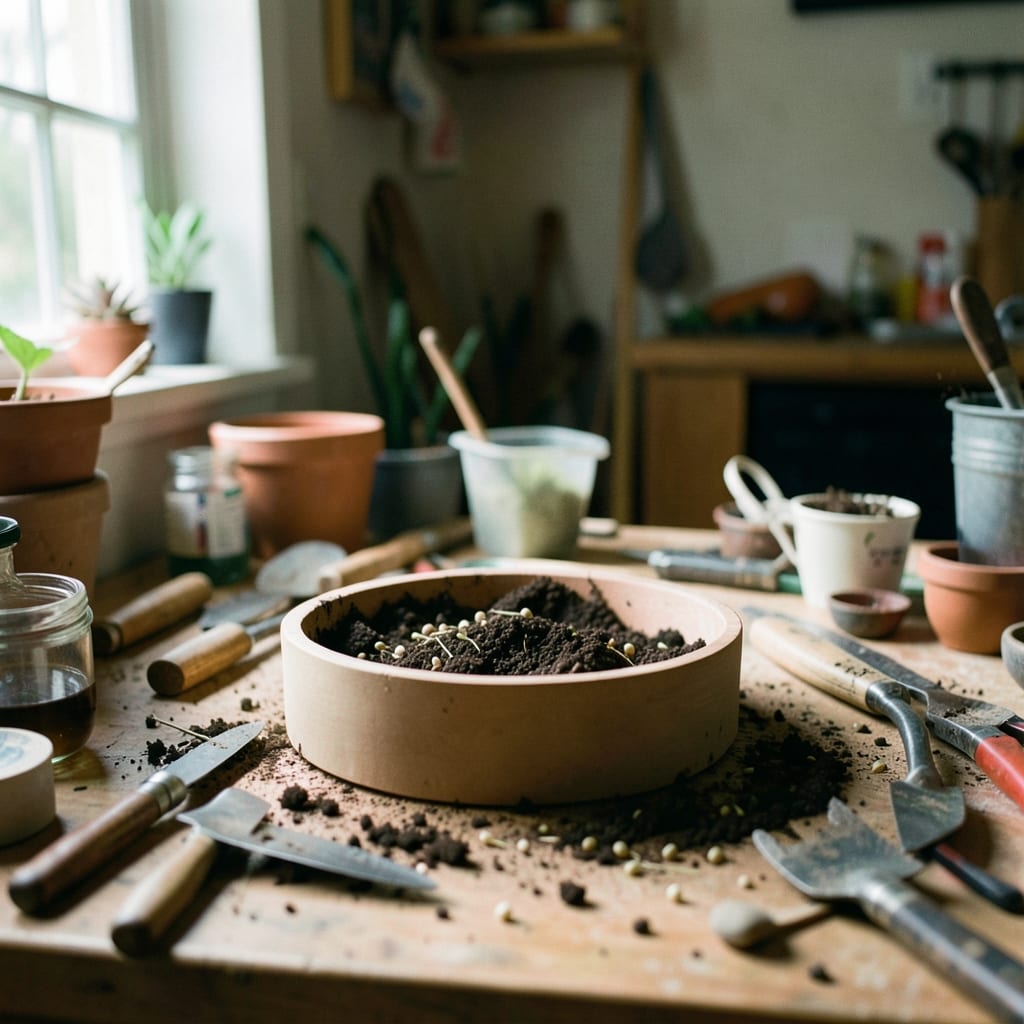
What changed, and what it changed for you
When this site started, it was a notebook of half-remembered lessons from my grandfather’s garden—no structure, no testing, just what I thought would work. The advice was rough, the photos were blurry, and the seasonal timing was often off by a month.
If you followed it too closely, your basil might bolt before it even flowered, or your tomatoes would crack in the heat.
Now, every tip is tied to a specific climate zone, soil type, and stage of growth. The photos show the same plant at every turning point—sprout, leaf, bloom, harvest—so you can see what success looks like. And if something *doesn’t* work, we say so, with a note on why.
The site still feels like a conversation, but now it’s one you can trust.
| It used to be | Now it is |
|---|---|
| Advice like ‘plant in spring’ | Exact dates for your hardiness zone, with backup weeks for slow starts |
| Photos of one perfect specimen | Side-by-side shots of thriving *and* struggling plants, labeled |
| No mention of pests until they arrived | Early warnings for common regional threats, with organic fixes |
| A single ‘best time to harvest’ | A range of days, with flavor and yield trade-offs for each |
The one that took years
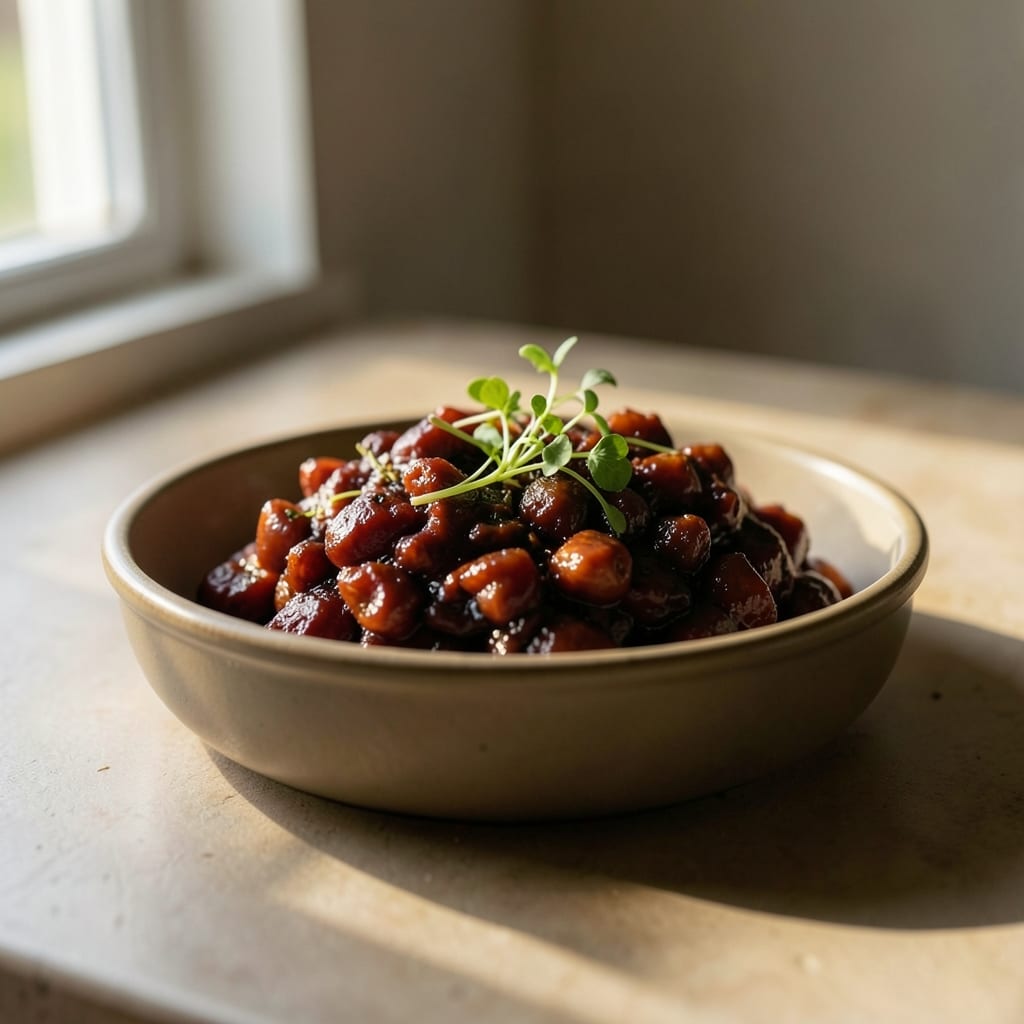
For three years, the site’s seasonal calendar was wrong. Not *completely* wrong—just off by two weeks in most regions, because I’d assumed my New Mexico upbringing applied everywhere.
Readers in the Pacific Northwest would email to say their strawberries were flowering in April when the guide said to plant them in May. I’d shrug and adjust the next year’s post, but the core problem stayed: I was writing from one corner of the country, pretending it was universal.
It wasn’t until a reader in Michigan sent a photo of their dead zucchini plants—‘planted on your recommended date, wilting by June’—that I realized the mistake wasn’t the advice. It was the *source*. I’d been using my grandfather’s old almanac as a baseline, but that was built for high-desert farming.
What worked in Albuquerque didn’t work in Detroit. The fix required scraping together data from 47 state extension offices, then cross-referencing it with NASA’s satellite soil-temperature maps. It cost $800 in cloud storage for the raw datasets alone.
Now, every planting guide starts with a map and a slider: drag your location, and the site shows you the *actual* last frost date for your microclimate, not the textbook average.
It’s slower to update—we have to re-run the algorithms every spring—but it’s the only way to give advice that doesn’t sound like a guess. And the emails stopped. No more ‘your method failed here’; now they say ‘this saved my peppers.’
Meet the author
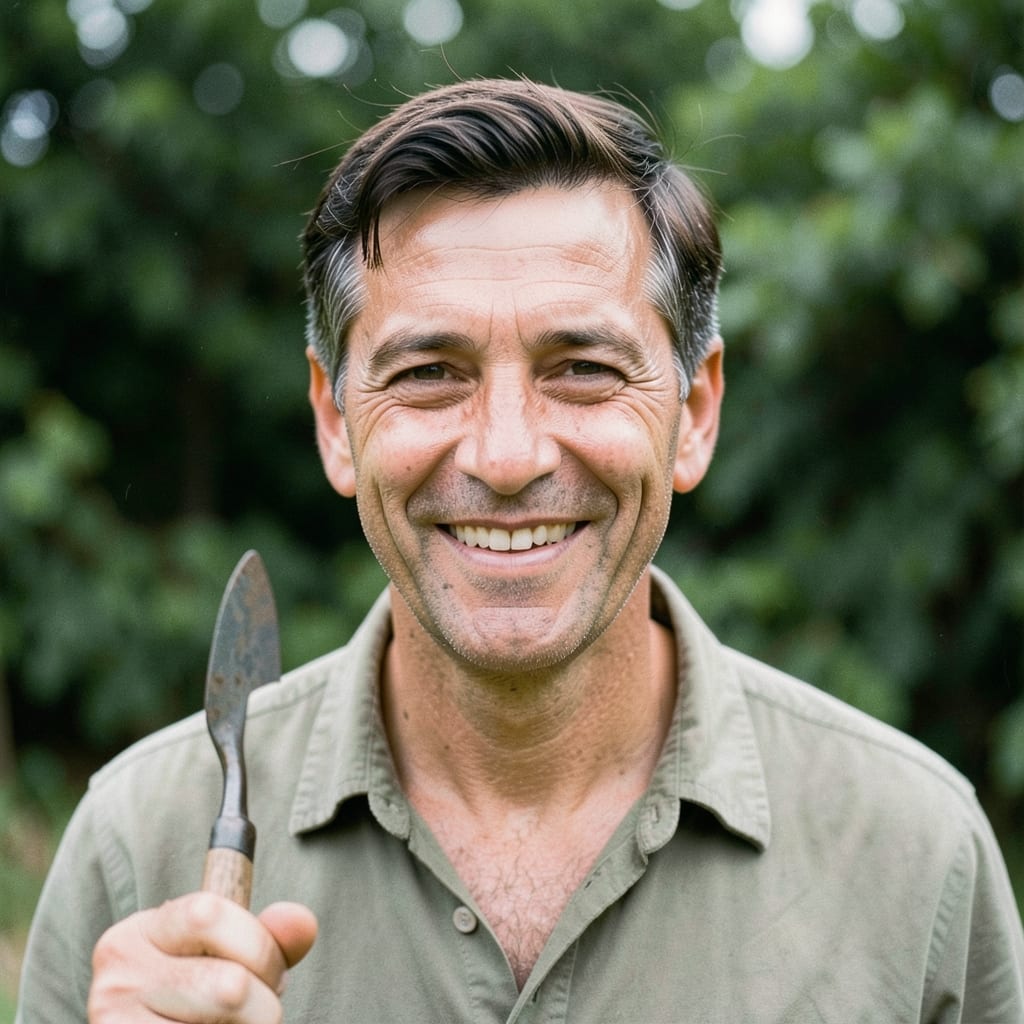
I used to think gardening was about knowing the names of things. My early posts were lists of Latin species, soil pH ranges, and the ‘correct’ way to prune a rose. I’d spend hours researching the *theory*, then plant seeds in sterile potting mix and expect miracles.
The first year I tried growing chiles from seed, I killed every one by overwatering—because the charts said ‘keep moist,’ and I took that literally, drowning the roots. My grandfather would’ve laughed and said, ‘Soil remembers the sun, kid. You’re treating it like a science experiment.’
I also believed that if you followed the rules, the plants would behave. That’s why the site’s first year had no warnings about deer, no notes on how urban soil is often too compacted to grow anything deeper than marigolds.
I assumed readers would figure it out, or that the problems didn’t exist where they lived. Wrong on both counts. The deer ate an entire row of heirloom tomatoes in my neighbor’s yard, and the compacted soil turned her compost into a brick.
What changed is that I stopped writing for myself.
Now, I write for the person who’s Googling ‘why my basil is turning yellow’ at 2 AM, or the apartment dweller whose only outdoor space is a windowsill.
Perry Yamada is the one who tests every tip in at least three different setups—my adobe-walled garden in New Mexico, a rented plot in Brooklyn, and a hydroponic tower in a Chicago basement—before it goes live.
This site isn’t about perfection; it’s about what *actually* grows, warts and all, in the places where most people live.
What did not change
The core belief—that soil holds more than dirt—hasn’t wavered. My grandfather used to say a good garden was ‘half luck, half remembering what the earth already knew.’ That’s still the foundation here. We don’t sell miracle fertilizers or promise foolproof methods.
The only ‘secret’ is paying attention to what the plants tell you before you even read the leaves.
Neither has the tone. The site will always feel like a conversation, not a lecture. If you’re new to gardening, we’ll hold your hand through the basics.
If you’ve been doing this for decades, we’ll still include the ‘why’ behind the ‘how.’ And yes, we’ll still joke about the time I accidentally cross-pollinated my eggplants with my neighbor’s zucchini. Some lessons are too good to leave out.
What is still being fixed
Right now, we’re working on a tool to match plants to your *actual* sunlight hours—not the ‘full sun’ labels that assume six hours of direct light, which is nonsense if you live in a city where buildings block half that.
It’ll require partnering with a solar-mapping service, which costs money, and convincing readers to share their light-data (privacy be damned), which takes trust. But if we get it right, you’ll finally know whether your ‘sunny windowsill’ is actually a death trap for basil.
If you’ve got a gardening problem that’s stumped you for years, or a tip that’s saved your plants time and again, the contact page is where to tell us about it.
Things that would help
- Your worst gardening failure—and what *almost* fixed it (e.g., ‘my peppers kept falling over until I staked them *and* pruned the suckers’)
- A plant that thrived in your conditions when the guides said it shouldn’t (e.g., ‘I grew watermelons in containers in Zone 5’)
- A tool or hack that’s become indispensable in your garden (e.g., ‘I use a hairdryer to germinate seeds faster’)
The guides are grouped by category: Advice, Aphids, Blooming, Companion Plants, Container Gardens and Diseases.