
Planting
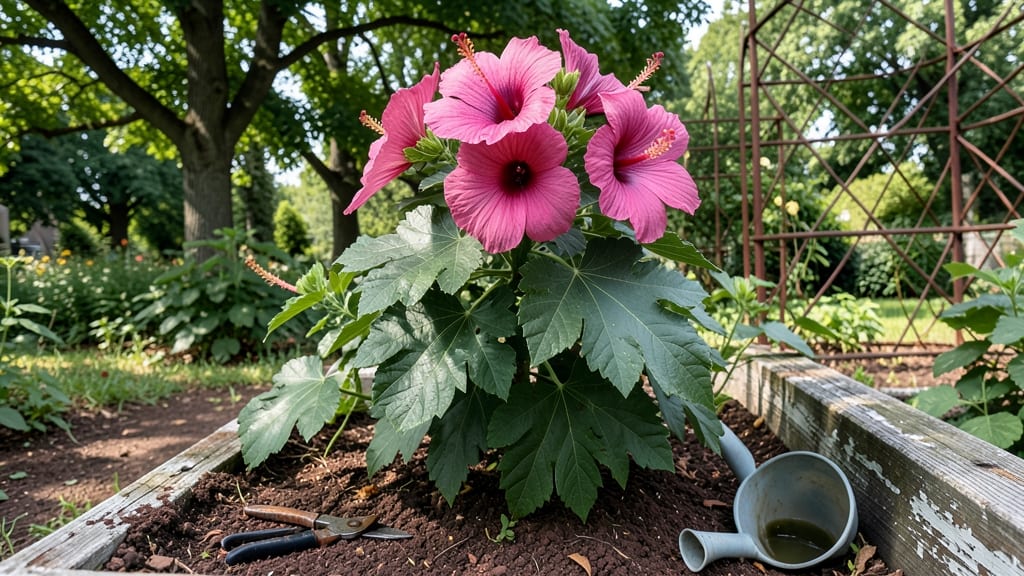
Perennial hibiscus thrives in Zone 6 with proper winter protection and cold-resistant varieties like Hibiscus moscheutos or Hibiscus coccineus, which tolerate temperatures down to 0°F when mulched and sheltered. Prune back stems in late winter for regrowth in spring.
Growing perennial hibiscus in Zone 6 is totally doable if you focus on the right varieties and winter prep. 🌿 The key is choosing hardy species like swamp hibiscus (Hibiscus moscheutos), which naturally handles colder climates better than tropical types.
Unlike their non-hardy cousins, these varieties develop woody stems that store energy for regrowth after dormancy. I’ve seen firsthand how a thick layer of mulch (at least 4–6 inches) acts like a thermal blanket, shielding roots from freezing temperatures while allowing moisture to stay consistent.
What many gardeners miss is the timing of pruning—cutting back too early can expose tender new growth to late frosts. Instead, wait until late winter when the threat of hard freezes has passed.
This gives the plant a head start on spring’s warmer days, ensuring those vibrant blooms arrive right on schedule. For extra protection, I wrap the stems in burlap or use frost cloths in particularly harsh winters, which has saved my plants from winter damage every time.
💡 In This Article
- Cold-Resistant Hibiscus Varieties for Zone 6 Gardens
- Zone 6 Winter Care Guide for Perennial Hibiscus
Cold-resistant hibiscus varieties for Zone 6 gardens
The real game-changer for Zone 6 gardeners is understanding the difference between hardy perennial hibiscus species and their tropical counterparts. Hibiscus moscheutos (swamp hibiscus) and Hibiscus coccineus (scarlet hibiscus) are the standouts—they develop thick, woody stems that act like natural storage tanks for energy during dormancy.
These species can handle temperatures down to 0°F when properly protected, thanks to their deep root systems that extend 3-4 feet below the soil surface, where temperatures remain more stable.
Here's what sets them apart: unlike tropical hibiscus (like Hibiscus rosa-sinensis), which are tender perennials that die back completely in cold climates, these hardy varieties retain their root systems year-round.
The woody stems contain vascular tissues that transport stored nutrients back to the roots during winter, ensuring vigorous regrowth when spring arrives.
For example, Hibiscus moscheutos varieties like 'Lavender Chiffon' produce stems that can reach 6-8 feet tall, while H. coccineus typically stays between 4-6 feet—both with sturdy enough structures to withstand snow loads when properly supported.
The key to their winter survival lies in their growth habits. Hardy hibiscus species naturally drop their leaves in fall, entering a state of dormancy that conserves energy.
This leaf retention strategy is different from evergreen plants—they're not trying to photosynthesize through winter, but rather focusing all resources on root and stem preservation.
What most gardeners don't realize is that these plants actually benefit from a period of cold exposure (around 40-50°F for several weeks) before dormancy, which helps harden their stems for winter.
Let's compare the two main hardy species head-to-head:
- Hibiscus moscheutos: Larger leaves (4-8 inches wide), more robust stems, and flowers that resemble dinner plates (6-8 inches across). Prefers consistently moist soil, hence the "swamp" in its name.
- Hibiscus coccineus: Smaller leaves (2-4 inches wide) and more compact growth habit. Produces bright red flowers (3-5 inches across) that bloom on current season's growth, making it more forgiving if winter damage occurs.
The tropical hibiscus varieties you see in landscapes (like Hibiscus rosa-sinensis) are completely different beasts—they have no cold tolerance and must be grown as annuals or overwintered indoors in Zone 6. Their thin, herbaceous stems contain no stored energy and freeze solid at 25°F or below.
This is why you'll often see them labeled as "tender perennials"—they can't survive our winters without special protection that's impractical for most gardeners.
What's fascinating is how these hardy varieties handle winter differently from year to year. In their first winter, young plants may show some dieback, but established specimens (3+ years old) develop more cold-resistant stems through a process called "acclimation."
This is why it's crucial to give them time to mature before expecting full winter survival. The older stems become more lignified (woody), the better they can withstand freezing temperatures and even light snow loads.
For gardeners in Zone 6, this means you're not just choosing a plant—you're investing in a long-term relationship. With proper variety selection and winter care, your hardy hibiscus can live for decades, returning year after year with even more robust blooms.
The payoff comes in late summer when these plants burst into flower, often continuing to bloom until frost—a spectacular reward for winter preparation.