
Size
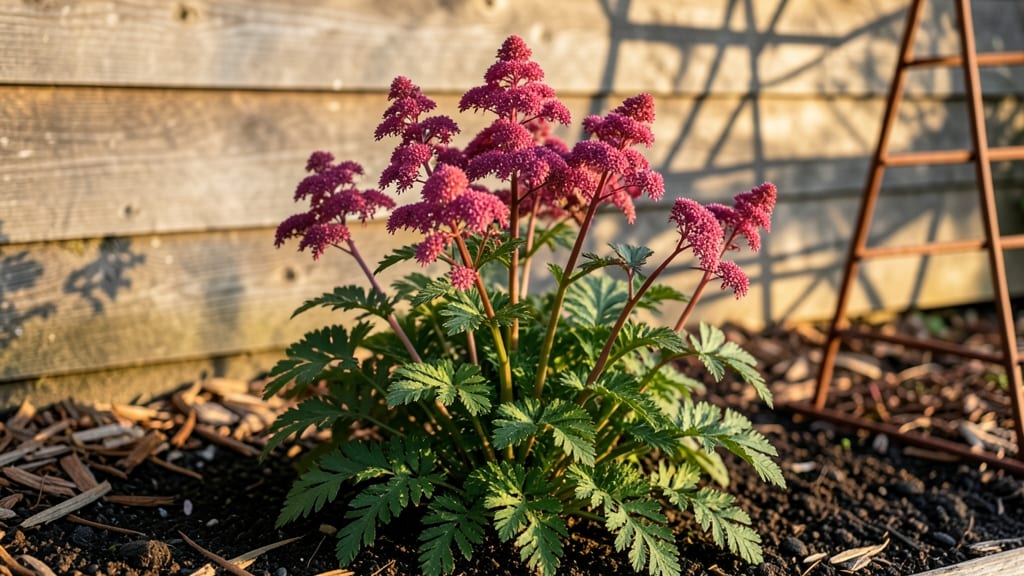
Tall shade perennials in Zone 5 don’t just survive—they steal the show with bold foliage and flowers that outlast summer heatwaves and winter snaps. 🌿 I’ve spent years hunting for plants that reach for the sky while thriving under tree canopies, and these are the ones that never disappoint, from the airy plumes of Astilbe to the velvety leaves of Hosta ‘Blue Angel’.
The secret lies in their layered needs: moist but well-draining soil, partial to full shade, and roots that stay cool. Most of these perennials top 3–6 feet, making them perfect for anchoring shady corners, framing pathways, or creating vertical drama in garden beds.
My go-to trio—Astrantia ‘Roma’, Japanese painted fern, and Ligularia ‘Desdemona’—delivers color from early summer through frost.
Picture this: feathery Astilbe blooms in pink and white, Hosta leaves the size of dinner plates, and Astilbe ‘Fanal’ lighting up the back of the border in deep red.
They attract hummingbirds, repel deer, and keep your garden looking lush when most plants are asleep. Best of all? They come back year after year, stronger and more striking.
Whether you’re tucking them behind shrubs or letting them climb over trellises, these plants turn shady spots into garden focal points that work hard for you. Let’s talk specifics—where to plant them, what to pair with them, and how to keep them thriving through Zone 5’s wild swings.
📚 In This Guide
- What you need
- Instructions
- Tips and common mistakes
- Wrapping up and next steps
What you need
- ● Tall shade perennials (Zone 5-hardy): 5–10 plants of Astilbe (e.g., ‘Fanal’ or ‘Deutschland’)
- ● 3–5 Hosta varieties (e.g., ‘Halcyon’ or ‘Francee’ for height)
- ● 3 Cimicifuga (Bugbane, e.g., ‘Hillside Black Beauty’)
- ● 2–3 Hellebore (Lenten Rose, e.g., ‘Blackthorn’)
- ● 2 Actaea (Baneberry, e.g., ‘Atropurpurea’)
- ● Soil amendments: 5–10 lbs of compost or well-rotted manure
- ● 2–3 lbs of peat moss or coconut coir (for moisture retention)
- ○ Optional: Organic mulch (3–4 inches of shredded bark or leaves)
- ● Planting tools: 1 garden trowel or spade
- ● 1 hand pruners (for trimming)
- ● 1 garden hose or watering can (with a rose attachment for gentle watering)
- ● 1 measuring tape (to space plants 18–36 inches apart)
- ● Slow-release fertilizer (e.g., 10-10-10 or organic options like fish emulsion)
- ● Garden gloves (to protect your hands from thorns or rough foliage)
- ● Plant labels (to track varieties and care notes)
- ● Mulch volcanoes (for extra winter protection in harsh Zone 5 winters)
- ● Decorative stones or edging (to define plant beds)
Step-by-step guide to planting tall shade perennials in Zone 5
Here's how I create a striking, low-maintenance shade garden that blooms reliably year after year.
🌱 Step 1: Select and Prepare Your Planting Sites
Zone 5's partial shade conditions (3-6 hours of dappled light) suit bold perennials like Astilbe, Hosta, and Cimicifuga. Choose spots where the soil stays consistently moist but never waterlogged—these plants despise soggy roots. I always test drainage first by digging a 12-inch deep hole and filling it with water; if it doesn't drain within 4 hours, amend with 2-3 inches of compost to improve aeration.
Here's the thing—most shade gardens fail because of poor soil prep. Till in 3-4 inches of organic matter (like leaf mold or composted manure) to create a loose, nutrient-rich base. The goal is soil that crumbles easily when squeezed—if it forms a hard clod, keep amending until it reaches that perfect texture. For heavy clay soils, I mix in 20% perlite to prevent compaction.
🪴 Step 2: Plant at the Right Depth and Spacing
Dig holes twice as wide as the root ball but only as deep—planting too deep suffocates roots and causes rot. Gently tease apart any circling roots before placing the plant in the hole. I like to plant in early spring (April-May) when soil temperatures reach 50°F—this gives roots time to establish before winter.
Spacing matters more than you'd think. Tall perennials like Actaea or Hydrangea need 3-4 feet between plants to prevent overcrowding and fungal issues. Use a measuring tape to mark positions before digging—trust me, you'll thank yourself later when you're not fighting for space between mature plants. Backfill with the native soil (not amended mix) to avoid disturbing roots, then water deeply to settle everything.
☀️ Step 3: Mulch and Water for Establishment
Spread 3-4 inches of shredded bark mulch over the soil surface, keeping it 6 inches away from stems to prevent rot. This mulch layer conserves moisture, regulates soil temperature, and suppresses weeds—three critical benefits for shade plants that often struggle in dry conditions. I always use douglas fir bark because it breaks down slowly and maintains structure better than pine fines.
Water immediately after planting, then maintain 1-2 inches of moisture per week during the first growing season. The key is consistency—let the top 2 inches of soil dry slightly between waterings to encourage deep root growth. Overwatering now leads to weak stems and fungal problems later. After 6-8 weeks, you'll see new growth spurt—this is your signal that roots have established.
✂️ Step 4: Prune and Divide for Long-Term Health
Wait until late winter (February-March) to prune back dead foliage—never cut into live growth, as this invites disease. For Cimicifuga or Astilbe, I shear back stems to 6 inches tall to encourage bushier growth. The reason we prune early is that these plants send up new shoots from the base in spring, and cutting too late removes next year's blooms.
Divide clumps every 3-4 years in early spring when shoots appear but before new growth hardens off. Dig up the entire plant, separate sections with a clean knife, and replant the healthiest divisions. I always keep the central crown—this ensures the strongest regrowth. After dividing, water deeply and avoid fertilizing until new growth appears in 4-6 weeks.
Tips & tricks for perfect tall shade perennials in Zone 5
Transforming your shade garden into a thriving, low-maintenance haven takes more than just planting—it's about understanding the subtle details that make all the difference. Here's what I've learned after years of trial and error in Zone 5's challenging conditions.
Soil Texture is Everything: The 3-4 inches of organic matter we're adding isn't just about nutrients—it's about creating the perfect crumbly texture. I've ruined multiple plantings by skipping this step, thinking "good enough" soil would work. Test your soil's drainage by filling that 12-inch hole and timing how quickly it drains. If water lingers beyond 4 hours, you're risking root rot. For clay-heavy soils, that 20% perlite addition is non-negotiable—it's what prevents that suffocating compaction that strangles roots.
Timing Your Planting Matters More Than You Think: That 50°F soil temperature isn't arbitrary—it's the sweet spot where roots can establish before winter sets in. I made the mistake of planting in late May one year, and my Actaea struggled through the first winter. Plant in April-May when soil temps consistently hit 50°F, and you'll give those roots the head start they need. Pro tip: Use a soil thermometer for accuracy—your garden's microclimate might vary significantly from general forecasts.
Mulching Strategy That Actually Works: The 3-4 inches of douglas fir bark mulch serves three critical purposes, but placement is key. Keep that mulch 6 inches away from stems—too close and you'll create the perfect moisture trap for fungal diseases. I've seen otherwise healthy Cimicifuga plants develop crown rot because of this simple mistake. And remember, mulch breaks down over time, so plan to refresh it every 2-3 years to maintain that protective layer.
Pruning Secrets for Next Year's Blooms: That late winter pruning window (February-March) is your chance to shape next year's garden. When you shear back Astilbe to 6 inches, you're not just cleaning up—you're encouraging those basal shoots that will produce next season's blooms. I learned this the hard way when I pruned too late and lost an entire season of flowers. Mark your calendar now: prune before new growth appears, and you'll thank yourself when those stems emerge lush and ready to bloom.
Pro Tips for Tall Shade Perennials Zone 5
- Transforming your shade garden into a thriving, low-maintenance haven takes more than just planting—it's about understanding the subtle details that make all the difference.
- Soil Texture is Everything: The 3-4 inches of organic matter we're adding isn't just about nutrients—it's about creating the perfect crumbly texture.
- Timing Your Planting Matters More Than You Think: That 50°F soil temperature isn't arbitrary—it's the sweet spot where roots can establish before winter sets in.
Frequently asked questions
Got questions about growing tall shade perennials in Zone 5?
You’re not alone! Here are answers to the most common concerns—from planting tips to winter prep—so you can confidently add drama to your shady spots.
What are the easiest tall perennials for Zone 5 shade gardens?
Start with Astilbe (fuzzy plumes), Hosta ‘Sum and Substance’ (bold foliage), or Japanese Painted Fern (arching fronds). These thrive in partial shade, handle cold snaps, and require minimal fuss. For height, pair them with Cimicifuga racemosa (bugbane) or Ligularia—both reach 4–6 feet and bloom mid-to-late summer.
When is the best time to plant tall shade perennials in Zone 5?
Plant in early spring (after frost risk passes) or early fall (6–8 weeks before first frost). Spring gives roots time to establish before summer heat, while fall planting avoids drought stress. Avoid transplanting in winter—frozen soil can damage roots. Pro tip: Water deeply after planting and mulch with 2–3 inches of shredded bark to retain moisture.
How do I protect tall perennials from Zone 5 winters?
Most hardy options (like Hosta or Heuchera) survive winters with 2–3 inches of mulch (straw or shredded leaves). For tender varieties (e.g., Canna), cut back foliage in fall, cover with burlap, and add mulch. Avoid heavy snow loads on delicate stems—use a broom to gently brush off accumulation. Pro tip: Label plants before winter so you know what to protect!
Why are my tall shade perennials flopping over or leaning?
Flopping often signals poor support or overcrowding. Stake tall varieties like Astilbe or Cimicifuga with slender bamboo stakes or spiral supports. If stems flop mid-season, prune back leggy growth in early summer to encourage bushier habits. Overwatering can also weaken stems—ensure soil drains well and water at the base, not overhead.
What’s a great alternative if I need something taller but still shade-tolerant?
If perennials feel too high-maintenance, try Aruncus dioicus (goat’s beard, 3–5 ft) or Actaea simplex (bugbane, 3–4 ft). For year-round interest, Daphne mezereum (winter blooms, 3–4 ft) or Pieris japonica (evergreen, 4–6 ft) add height and texture. Pro tip: Group plants with similar water needs to simplify care!
| Quick Troubleshooting Guide |
|---|
| Yellow leaves? Overwatering or nutrient deficiency. Amend soil with compost and adjust watering. |
| No blooms? Too much shade or over-fertilizing. Trim back dead flowers and ensure 4+ hours of dappled light. |
| Pests (slugs/snails)? Use beer traps or diatomaceous earth. Avoid mulch near crowns to deter hiding spots. |
Wrapping up and next steps
Transforming your shady garden into a lush, vibrant space is totally within reach—even in Zone 5! With the right tall shade perennials, you can enjoy bold blooms, year-round interest, and low-maintenance beauty that outshines winter’s chill.
Whether you’re drawn to the height and drama of Astilbe or the elegance of Hosta, these plants prove shade gardens can be just as stunning as their sunlit counterparts.
Ready to take the next step? Sketch a quick layout of your garden beds, then grab a trowel and dive in! Start small with one or two plants, observe their growth, and let your shade oasis evolve into a showstopper over time. Happy planting! 🌿✨