
Plants
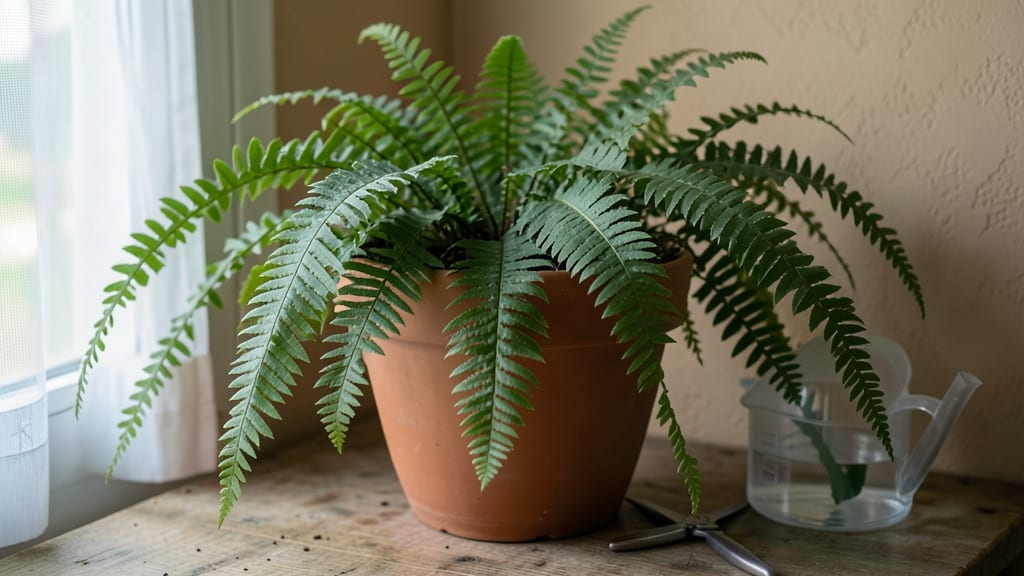
Hanging ferns qualify as perennials in USDA zones 9-11, where they maintain lush growth year-round with consistent moisture and filtered light. Outside these zones, they typically die back annually unless protected from frost through indoor overwintering or heavy mulching.
Hanging ferns thrive as perennials in warmer climates because their delicate fronds can't tolerate freezing temperatures, which cause irreversible damage to their root systems. 🌿 In colder regions, gardeners often bring potted ferns indoors before the first frost, extending their life by years.
The key to longevity lies in mimicking their natural tropical habitat—high humidity, indirect sunlight, and well-draining soil prevent stress that shortens their lifespan.
What many don't realize is that some varieties like the hardy Boston fern can actually outlive others when given proper care, sometimes reaching 5-7 years with minimal winter protection. The difference comes down to root health and how well you manage seasonal transitions.
For example, gradually acclimating potted ferns to indoor conditions in fall prevents shock that could cut their lifespan short.
💡 In This Article
- Hanging Fern Cold Hardiness by Variety
- Extending Hanging Fern Lifespan Indoors
Hanging fern cold hardiness by variety
The cold tolerance of hanging ferns varies dramatically between species, with some thriving in USDA zones 9-11 while others need protection below 20°F. The Boston fern (Nephrolepis exaltata) stands out as the hardiest, enduring brief dips to 15°F when mulched, though its fronds will brown and die back.
The maidenhair fern (Adiantum), however, is far more delicate—its roots freeze at 25°F, making it strictly a seasonal outdoor plant in cooler climates. 🌡️
Frost damage occurs primarily through root zone freezing, where ice crystals rupture delicate rhizomes. Boston ferns can recover from above-ground dieback if roots survive, but maidenhair ferns often suffer permanent damage even with minimal frost exposure.
The button fern (Pellaea rotundifolia) falls in between, tolerating 10°F for short periods but requiring shelter in USDA zone 8 or colder. This explains why Boston ferns dominate container gardening in northern climates—their resilience makes them ideal candidates for overwintering.
Here's what happens at the cellular level: Fern roots contain high moisture content (60-70% by weight), which expands when frozen, rupturing cell walls. The Boston fern's thicker rhizomes can withstand this better than maidenhair's fine, hair-like roots.
In USDA zone 7, even mulching to 12 inches deep only buys 2-3°F of protection—meaning maidenhair ferns would still face lethal cold without indoor relocation. 🌱
Visualizing cold hardiness helps with planning. A Boston fern in zone 8 might survive a 10°F winter with 4-6 inches of mulch, while a maidenhair needs to be moved indoors before 40°F nights.
The USDA zone map shows that even within zone 9, coastal areas (warmer) allow maidenhair ferns to stay outdoors, while inland regions (cooler) require protection. This geographic variation explains why some gardeners in zone 9 overwinter ferns indoors—local microclimates matter more than the zone number alone.
For those pushing limits in zone 8, consider these variety-specific strategies:
- Boston ferns: Apply 8-10 inches of straw mulch in late fall and wrap pots in burlap for extra insulation
- Maidenhair ferns: Move pots to unheated basements (40-50°F) or garages with 50% humidity to prevent dormancy
- Button ferns: Use black plastic mulch to raise soil temps by 3-5°F during cold snaps
What most gardeners overlook is how winter sunlight affects survival. Ferns in zone 9 exposed to full winter sun (even without frost) can suffer leaf scorch from intense UV radiation. This is why east-facing containers often outperform west-facing ones—morning light is gentler. The lesson? Cold hardiness isn't just about temperature; it's about creating a microclimate that mimics the fern's native tropical conditions year-round. ✨