I’ve been tending to plants since I was a kid, digging through my grandfather’s garden in New Mexico and learning how even the toughest cacti needed care. There’s something about watching seeds turn into life that never gets old. This site is my way of paying forward all the lessons I’ve picked up—whether it’s reviving a wilting houseplant or coaxing tomatoes to thrive in a small urban plot. I write the way I garden: with patience, a little trial and error, and a healthy dose of curiosity.
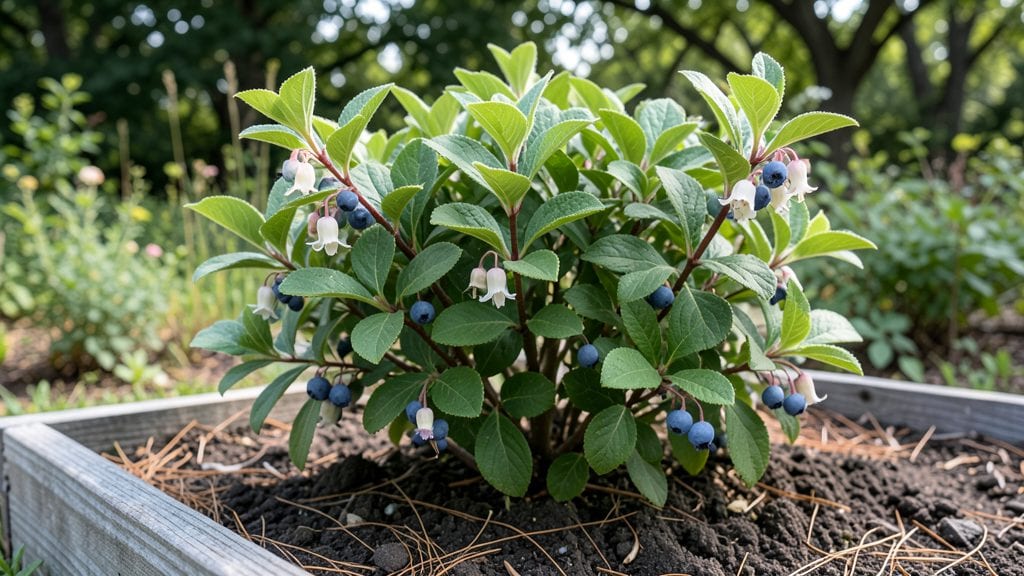
💥 Quick Answer Blueberry bushes are indeed perennial plants, capable of living and producing fruit for 50+ years with the right conditions. Their long lifespan comes from deep root systems and seasonal adaptation, but…
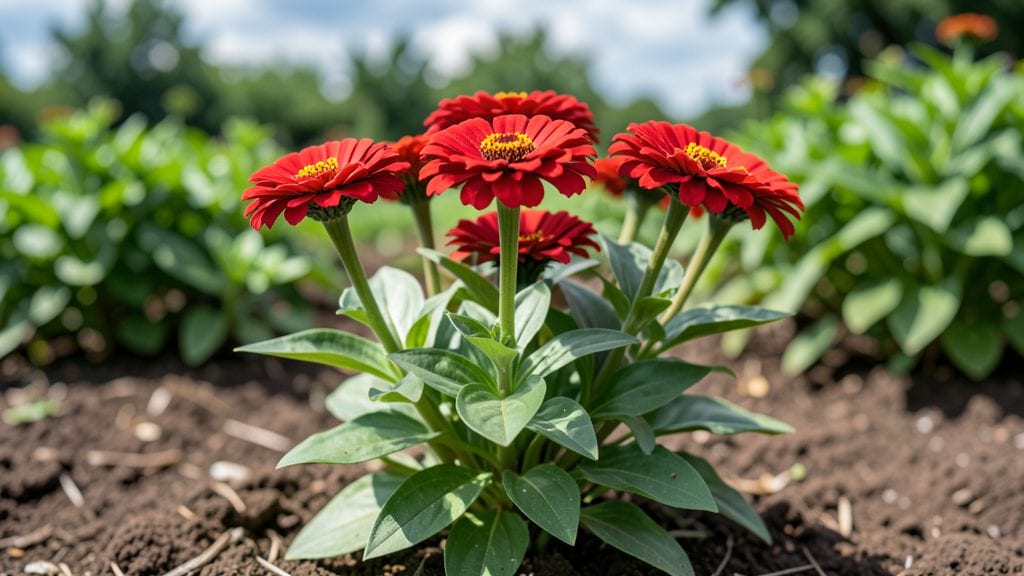
💥 Quick Answer Annual and perennial plants mean their growth patterns differ completely: annuals live, bloom, and die in a single season, while perennials return year after year from their roots, often growing stronger…
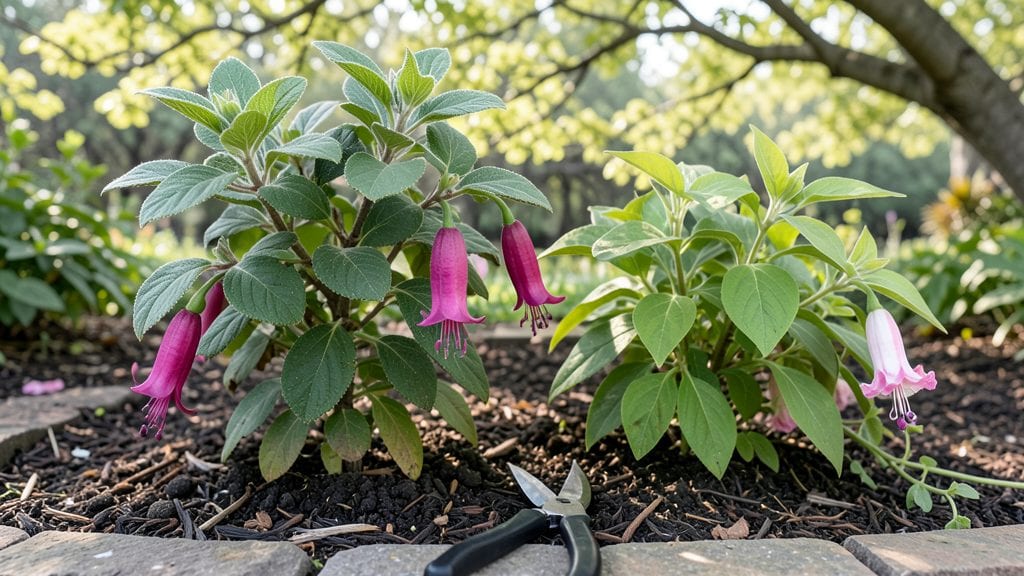
Determining whether a fuschia plant —whether annual or perennial—depends entirely on your climate zone. In colder regions, they're treated as annuals, but in USDA zones 9-11, they naturally return each year thanks to…
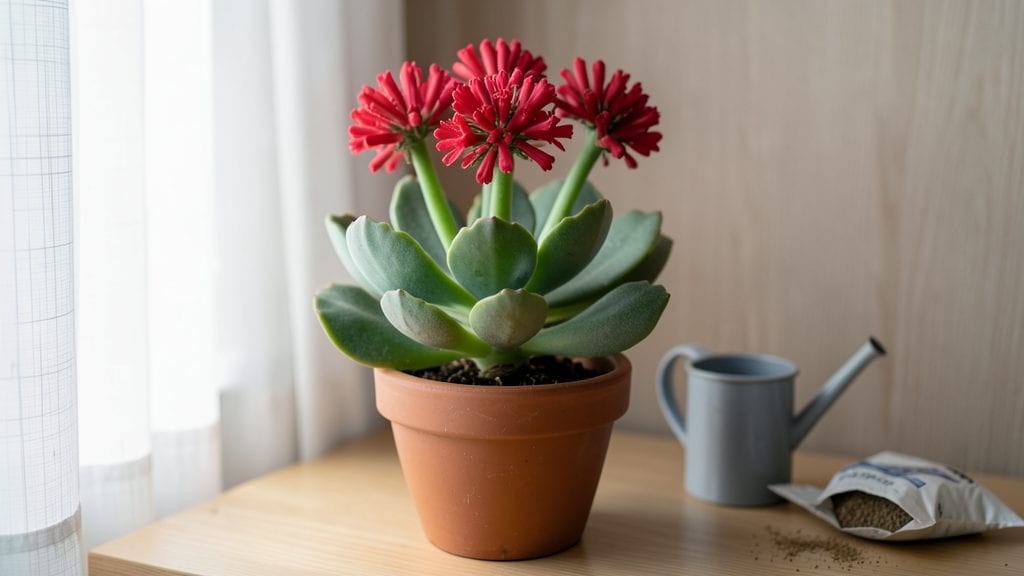
💥 Quick Answer A kalanchoe is a perennial in warm climates but behaves as an annual in colder regions, thriving best in USDA zones 10-12 where frost-free conditions persist year-round. Most varieties die back in…
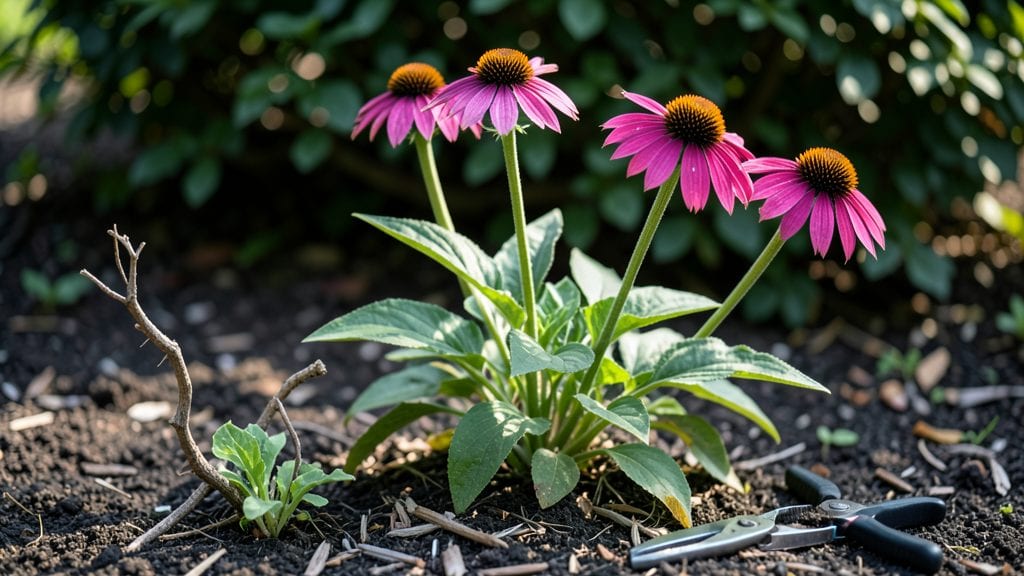
💥 Quick Answer Perennial flowers do come up every year under ideal conditions, but their survival depends on climate, soil health, and proper winter care. Some may die back in harsh winters or if neglected, while others…
Perennial grasses with yellow flowers bring a sunlit glow to gardens that lasts from summer through frost. 🌻 I’ve planted these golden stalks in my own yard, and they’ve become the star of late-season…
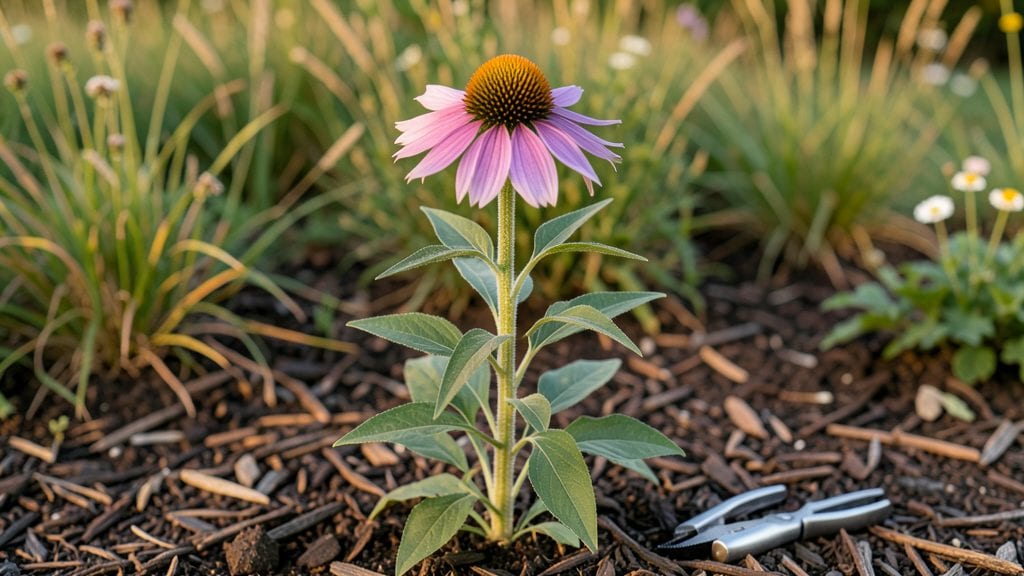
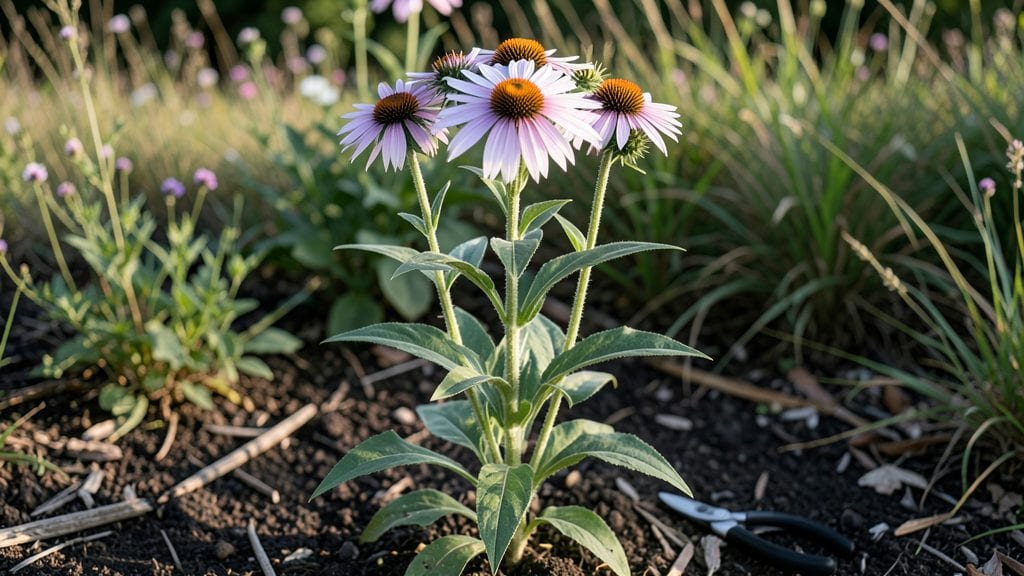
💥 Quick Answer For sun perennials in Zone 6, black-eyed Susan, coneflower, and daylily are top performers, surviving harsh winters and thriving in full sunlight while offering bold colors and minimal upkeep. Prioritize…
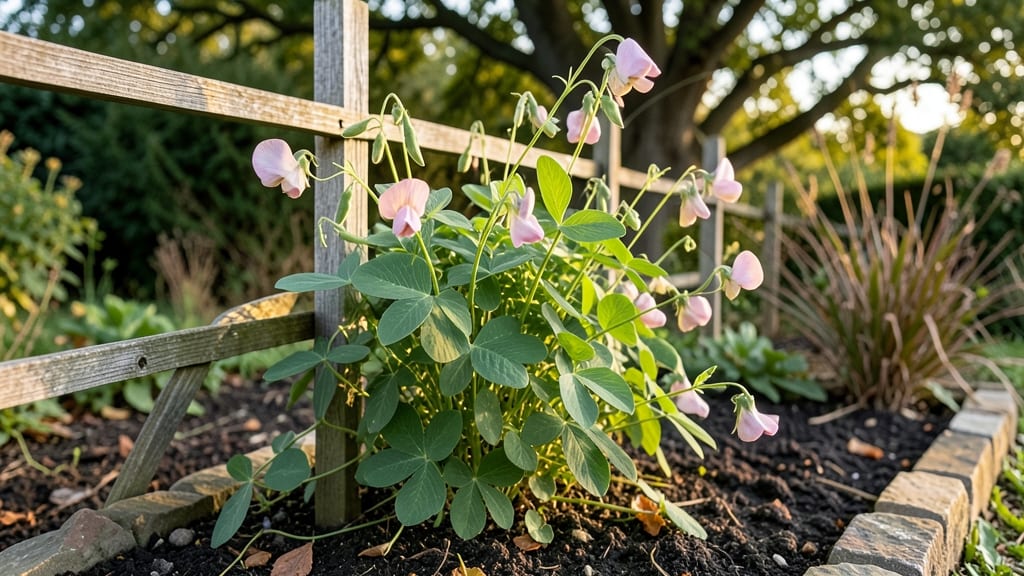
💥 Quick Answer Sweet peas act as annuals in most climates because their delicate shoots freeze easily, even though their roots can survive Mediterranean winters where they’re true perennials. Gardeners in zones 4-9…
Growing Mexican marigolds as perennials means year-round fragrance and pollinator traffic that never quits. 🌿 I’ve turned my sunniest corner into a fragrant haven by treating Tagetes lucida like the hardy perennial it…
💥 Quick Answer Ranunculus perennial zones thrive best in USDA zones 3 through 9, though their long-term survival varies by winter severity. Bulbs in zones 7-9 often return year after year, while gardeners in zones 3-6…