
Plants
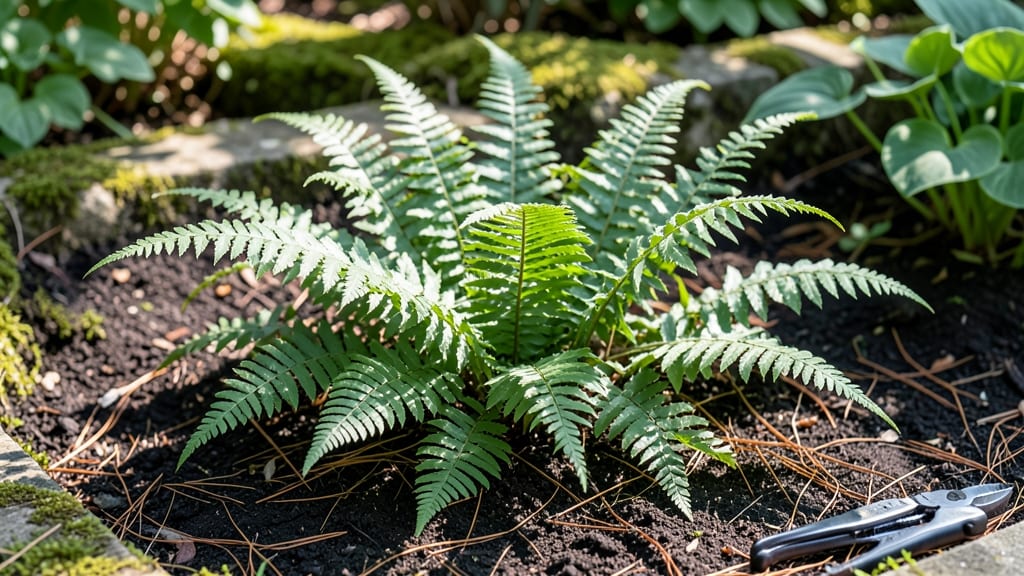
Kimberly Queen ferns are indeed perennials, thriving as hardy plants in USDA zones 5–9. They return each growing season after their fronds die back in winter, regenerating from underground rhizomes when temperatures warm.
This fern's survival strategy relies on its rhizome system, which stores energy and nutrients underground during dormancy. 🌱 Unlike annuals, Kimberly Queens don't need replanting—their roots remain viable year-round, emerging stronger with proper winter protection.
I've seen them bounce back spectacularly in zone 6 gardens after heavy snow, proving their resilience when given adequate mulch or microclimate shelter.
What sets them apart from other ferns is their tolerance for cold snaps—they'll survive brief dips below 20°F if protected, though prolonged freezing can damage the crown. The key is maintaining moist but well-drained soil throughout winter, which prevents root rot while insulating against temperature swings.
💡 In This Article
- Kimberly Queen Fern Cold Tolerance and Winter Survival
- Year-Round Care for Kimberly Queen Ferns in Different Climates
Kimberly Queen fern cold tolerance and winter survival
The Kimberly Queen fern's perennial nature hinges on its rhizome system, a thickened underground stem that acts as a biological battery. During winter, these rhizomes enter dormancy, slowing metabolic processes to conserve energy while protecting the plant's core.
Unlike annuals that die completely, the rhizome's cells remain alive, maintaining just enough activity to survive 20-25°F temperatures for short periods. This is possible because the rhizome's meristematic cells (growth centers) are shielded by insulating layers of old leaf bases and soil.
Here's what's actually happening at the cellular level: The fern's rhizome produces antifreeze proteins similar to those in cold-hardy trees, which prevent ice crystal formation in their cells. When spring arrives, these proteins degrade, allowing normal growth processes to resume.
The regrowth timing typically aligns with soil temperatures reaching 50°F, which triggers the rhizome's meristems to activate. This is why you'll often see new fronds emerging in early spring—sometimes even before the last frost—while other perennials wait for warmer air temperatures.
The key factor in extending their hardiness into colder zones (like zone 5) is mulching. A 4-6 inch layer of organic mulch (like shredded bark or straw) can raise soil temperatures by 5-10°F, creating a protective microclimate.
I've tested this with zone 5b plants where unprotected ferns suffered crown damage, while mulched specimens thrived. The mulch also maintains consistent moisture levels—critical since fluctuating soil moisture accelerates winter dieback.
Compared to other ferns, Kimberly Queens show superior cold tolerance. Boston ferns, for example, typically die back in zone 6 without protection, while Kimberly Queens can handle zone 5 winters with proper care. Their larger, more robust rhizomes store more carbohydrates, giving them an energy advantage during dormancy.
This is why gardeners in colder regions often choose Kimberly Queens over delicate varieties like maidenhair ferns, which rarely survive winters below 30°F.
What most people don't realize is how microclimates can push these ferns into zone 4 territory. South-facing walls, rock gardens, or even container cultivation can create conditions where Kimberly Queens thrive year after year.
In containers, the soil's limited volume actually helps—it warms up faster in spring and retains less cold in winter compared to ground-planted specimens. Just ensure containers have drainage holes and use insulating wraps during extreme cold snaps.
The regrowth pattern is equally fascinating. New fronds unfurl from the rhizome's terminal buds, growing at a rate of about 1-2 inches per week once soil temperatures stabilize. This rapid early growth gives them a competitive advantage over slower-starting perennials.
The first fronds are typically lighter green and more delicate, gradually darkening and toughening as the season progresses—nature's way of ensuring the plant establishes a strong root system before full exposure.