I’ve been tending to plants since I was a kid, digging through my grandfather’s garden in New Mexico and learning how even the toughest cacti needed care. There’s something about watching seeds turn into life that never gets old. This site is my way of paying forward all the lessons I’ve picked up—whether it’s reviving a wilting houseplant or coaxing tomatoes to thrive in a small urban plot. I write the way I garden: with patience, a little trial and error, and a healthy dose of curiosity.
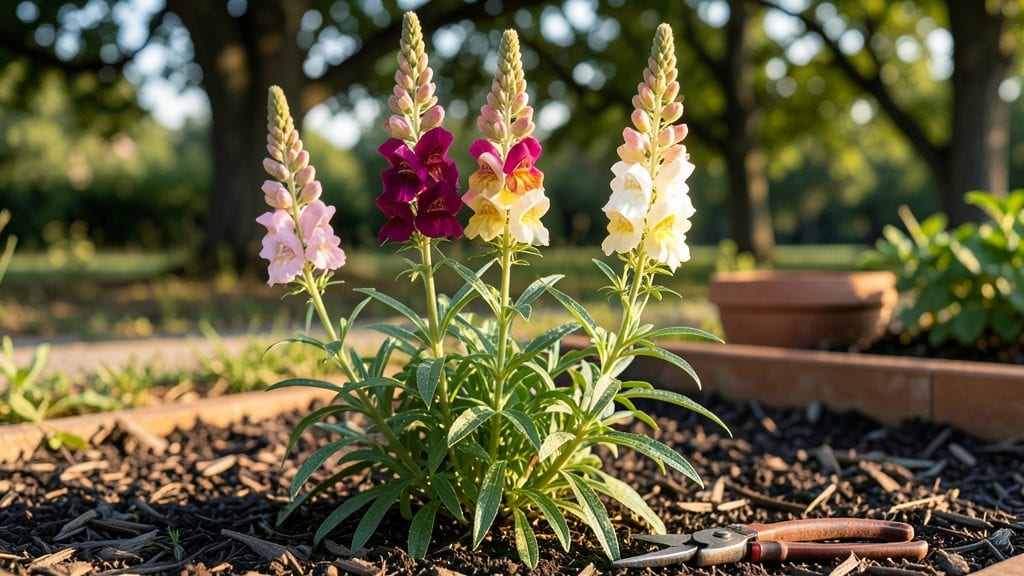
💥 Quick Answer Snapdragons are not perennials in most climates, dying back after flowering but often self-seeding prolifically. In warmer USDA zones 7-10, they may overwinter with protection, while colder regions treat…
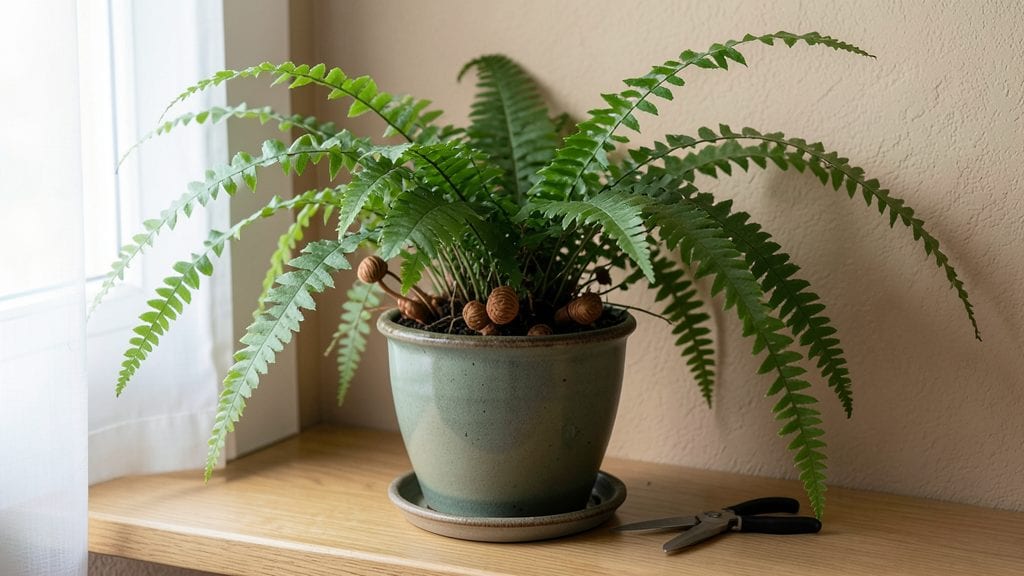
💥 Quick Answer The Boston fern is a perennial plant, not annual, meaning it can live for multiple years indoors with the right conditions—typically 3 to 5 years or longer when given bright indirect light and steady…
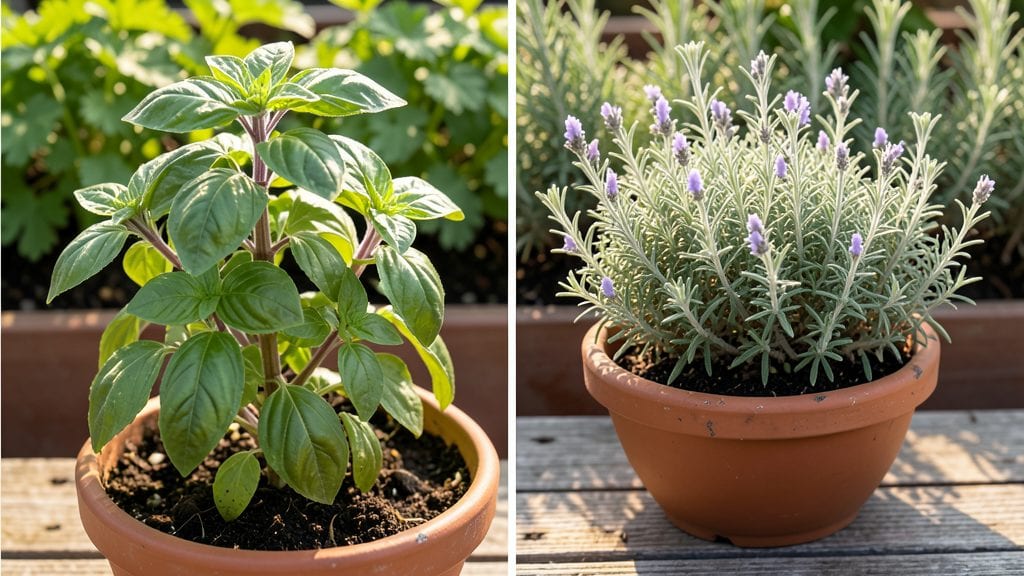
💥 Quick Answer Whether herbs are annuals or perennials depends on their species and growing conditions. Most culinary herbs like basil and cilantro complete their life cycle in one season, while hardy varieties such as…
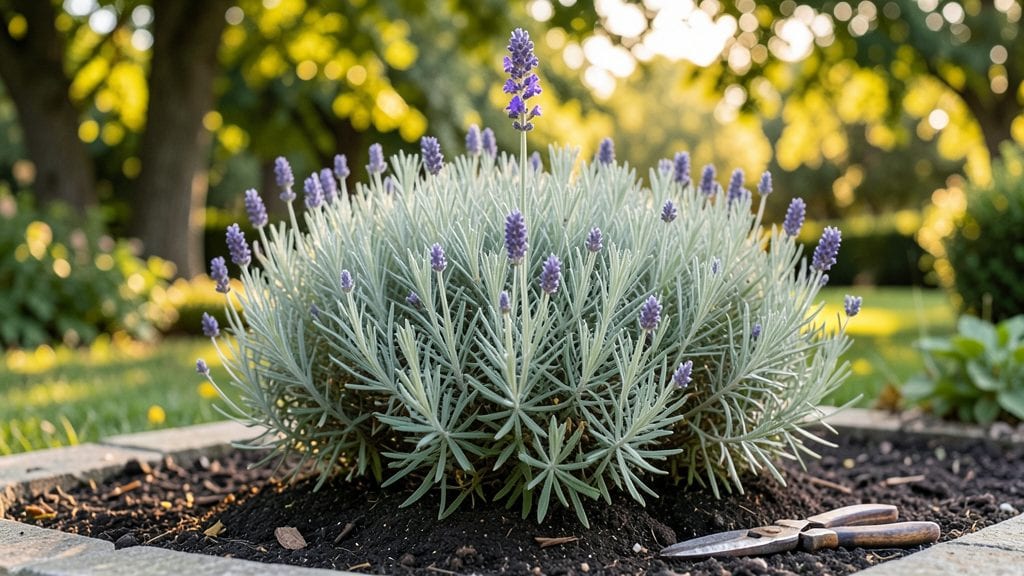
💥 Quick Answer Munstead lavender is a perennial hardy in USDA zones 5-9, thriving for multiple years with proper care, though it may decline in extreme cold without winter protection. Its woody stems and deep root…
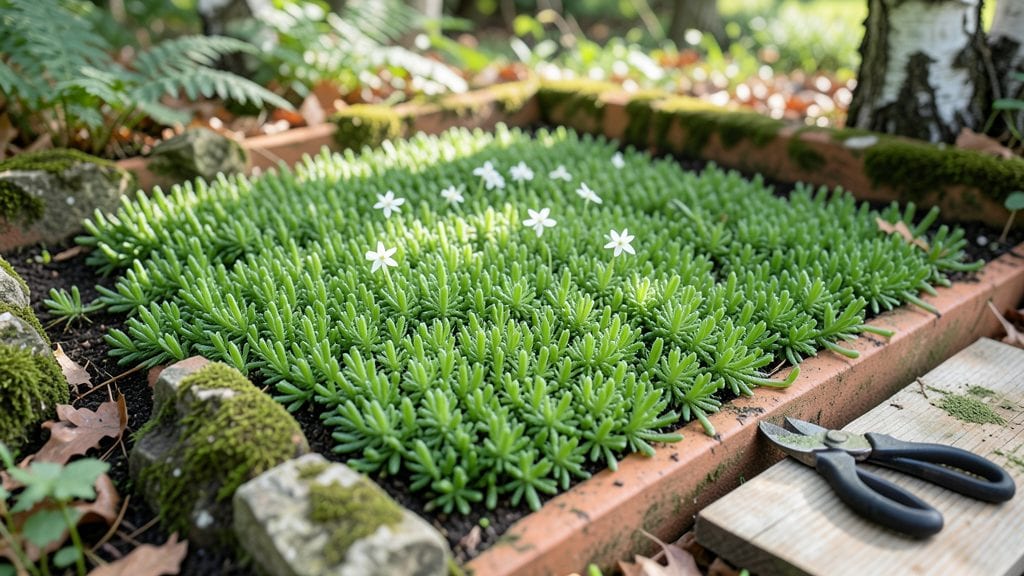
💥 Quick Answer Irish moss isn't a perennial plant—it's a cold-tolerant Chondrus crispus algae that thrives in coastal waters but dies back when temperatures drop. Though its spores regenerate annually in ideal…
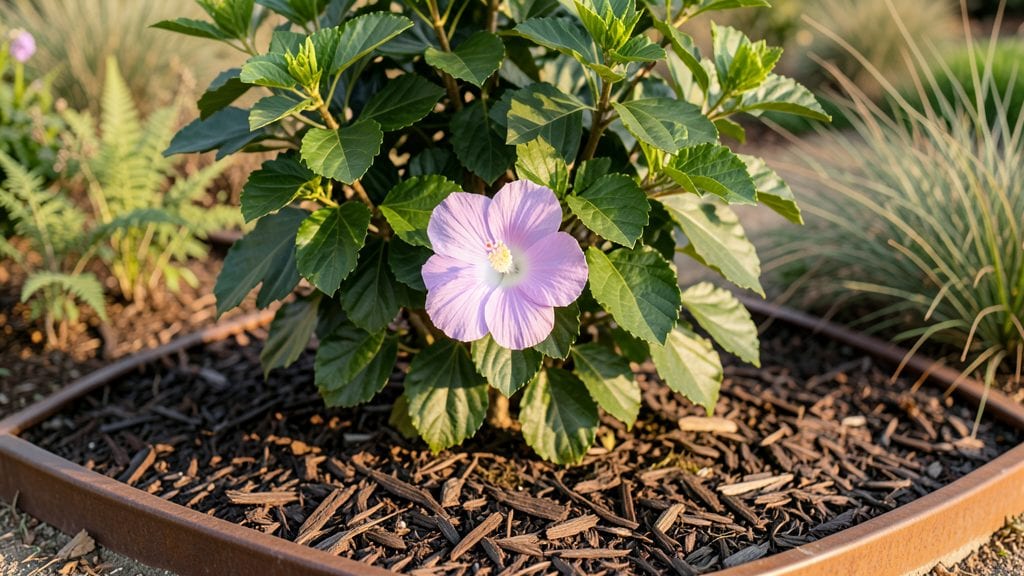
Perennial hibiscus in Zone 5 might sound like a pipe dream, but I’ve grown these stunners for five straight winters—no green thumb required. 🌿 The key is choosing the right varieties like ‘Luna Red’ or ‘Diana’, which…
💥 Quick Answer Yes, perennials do come back year after year by storing energy in underground roots, rhizomes, or tubers, then regrowing when conditions improve. Their survival depends on cold hardiness, soil conditions…
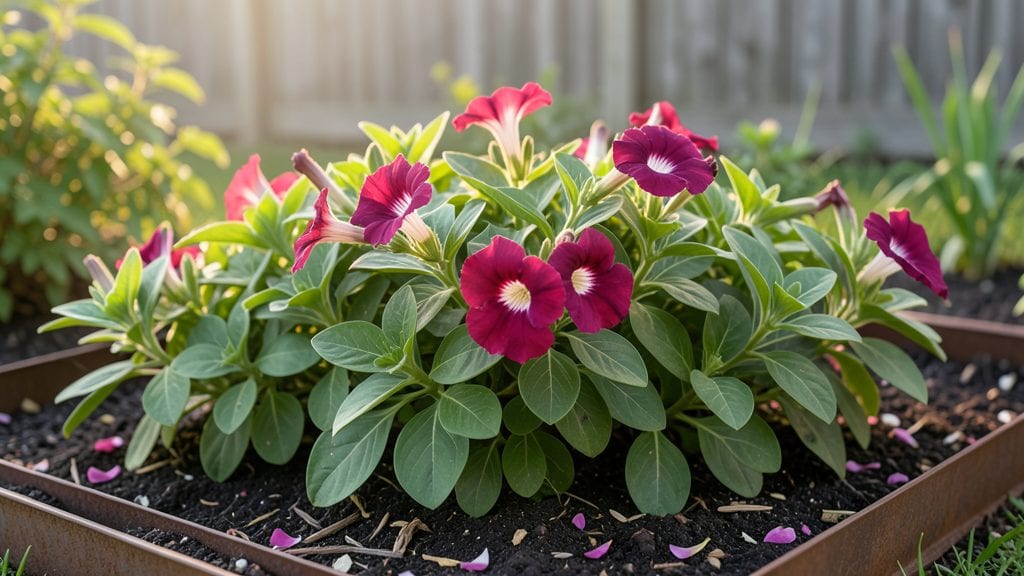
💥 Quick Answer Four o’clock flowers perennials thrive in warm climates, blooming late afternoon to evening with vibrant trumpet-shaped blossoms in shades of pink, red, or yellow. They prefer full sun, well-drained soil…
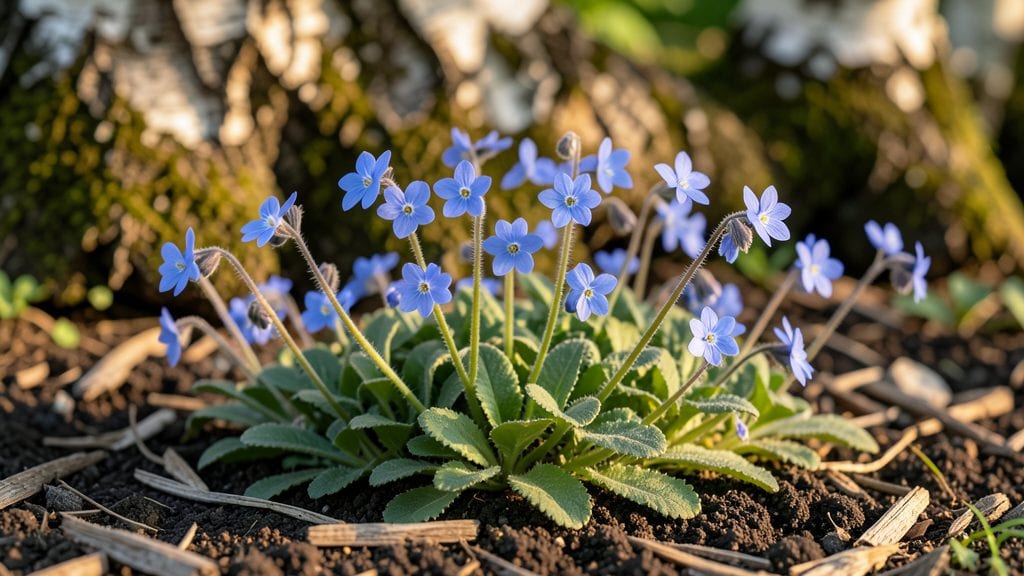
💥 Quick Answer Forget-me-not flowers are indeed perennials in USDA zones 3-7, reliably returning each season with consistent care. Their hardy roots allow them to persist through winter dormancy, though aggressive…
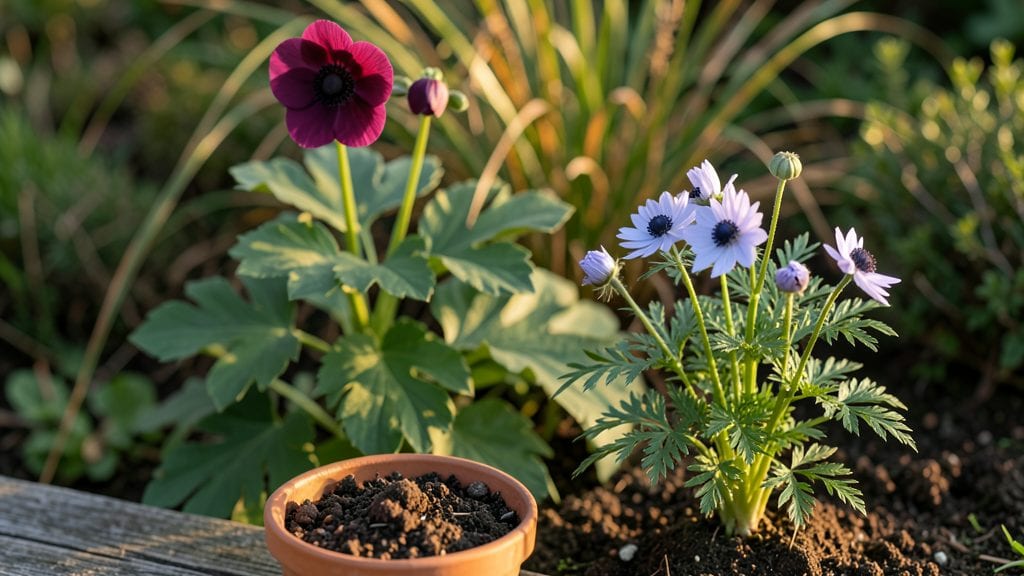
💥 Quick Answer Determining whether anemones are annual or perennial depends on the variety—most thrive as hardy perennials across multiple seasons, while types like Anemone blanda may behave as short-lived perennials or…