
Plants
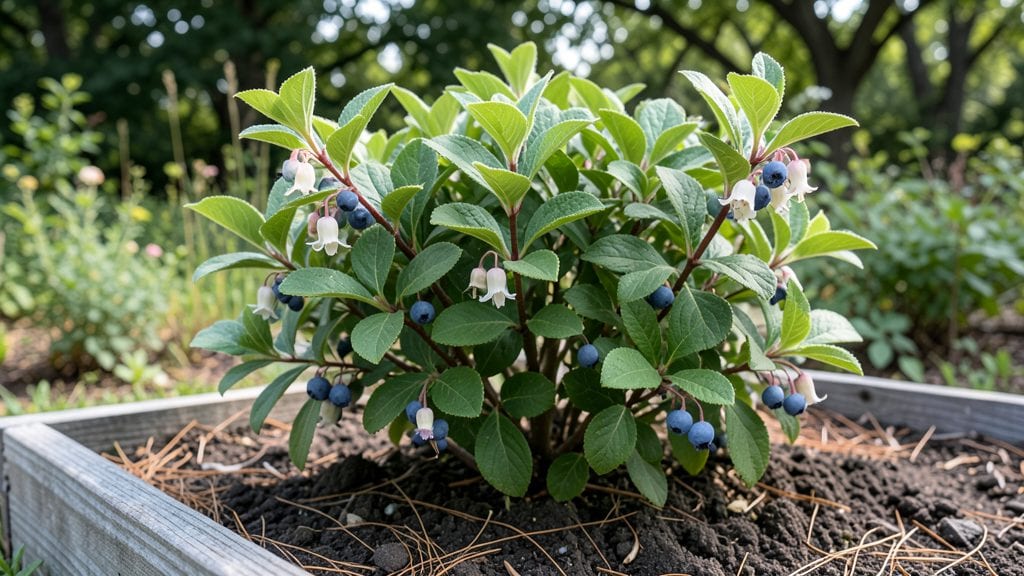
Blueberry bushes are indeed perennial plants, capable of living and producing fruit for 50+ years with the right conditions. Their long lifespan comes from deep root systems and seasonal adaptation, but they need acidic soil, regular watering, and careful pruning to stay healthy.
What sets blueberry bushes apart is their ability to enter dormancy during cold months, then rebound with new growth each spring. 🌱 These hardy plants develop woody stems that thicken over time, creating a sturdy framework for fruit production.
Unlike annuals that die after one season, perennials like blueberries invest energy into their roots year after year, which is why they can outlive gardeners who plant them!
The key to their longevity lies in maintaining proper soil acidity (around 4.5-5.5 pH) and protecting them from extreme winter conditions in colder climates.
💡 In This Article
- Lifespan and Growth Stages of Perennial Blueberry Bushes
- Pruning and Care Tips for Long-Term Blueberry Bush Health
Lifespan and growth stages of perennial blueberry bushes
The remarkable longevity of blueberry bushes stems from their biological adaptation as woody perennials. Unlike annuals that complete their lifecycle in a single season, blueberries develop a robust lignified stem structure that persists year after year.
This woody framework, combined with an extensive root system that can extend 3-5 feet deep, allows them to store nutrients and water during dormancy—critical for surviving harsh winters and dry summers. 🌿 The root system's depth also helps anchor the plant against wind and provides stability for the heavy fruit load.
Blueberries follow a distinct growth cycle with three key phases: juvenile, transitional, and mature. In the juvenile phase (first 2-3 years), the plant focuses on establishing roots and stems, producing little to no fruit.
This is why many gardeners are disappointed when young bushes don't bear fruit immediately—they're investing energy in future productivity. The transitional phase begins around year 4, where you'll see sparse fruiting as the plant balances growth and reproduction.
By year 5-7, most bushes enter full mature production, yielding 1-3 pounds of berries per bush annually under optimal conditions.
Climate zones dramatically influence their perennial nature. In USDA zones 4-7, blueberries experience full dormancy in winter, where metabolic activity nearly halts below 40°F. This cold period is essential—they require 400-1,000 chill hours (hours below 45°F) annually to trigger spring blooming.
In warmer zones (8-9), some varieties may have reduced dormancy needs, but they still benefit from cooler winter temperatures to reset their growth cycle. The key is matching varieties to your climate—northern highbush types (like 'Bluecrop') thrive in colder regions, while southern highbush (like 'Climax') suit milder winters.
Seasonal dormancy isn't just about survival—it's a strategic energy conservation mechanism. During winter, the plant's roots continue slow metabolic activity, replenishing carbohydrate reserves in the stems. These stored nutrients fuel the spring flush of new growth and flower development.
What most gardeners overlook is that improper winter care (like heavy mulching in warm climates) can disrupt this natural cycle, leading to reduced fruiting the following year. In colder regions, protecting the crown with 6-12 inches of mulch prevents freeze-thaw damage that can kill the plant.
The root system's architecture is equally fascinating. Blueberries develop both shallow feeder roots (0-12 inches deep) for water absorption and deeper structural roots (2-5 feet) for stability. This dual system explains why they're drought-tolerant once established—they can access moisture from multiple soil layers.
However, young plants need consistent moisture (1-1.5 inches per week) to establish their root network. The roots also secrete organic acids that help maintain the soil's acidic environment, creating a self-sustaining ecosystem around the plant. 🌱
Understanding these growth stages helps explain why blueberries can live for decades. A well-cared-for bush might produce fruit for 30-50 years, with peak production typically occurring between years 10-25. The oldest recorded blueberry bush, a 'Darrow' variety in New Jersey, lived for over 130 years!
This longevity comes at a cost—older bushes require more aggressive pruning to remove dead wood and maintain air circulation, preventing fungal diseases that can shorten their lifespan.