
Flowers
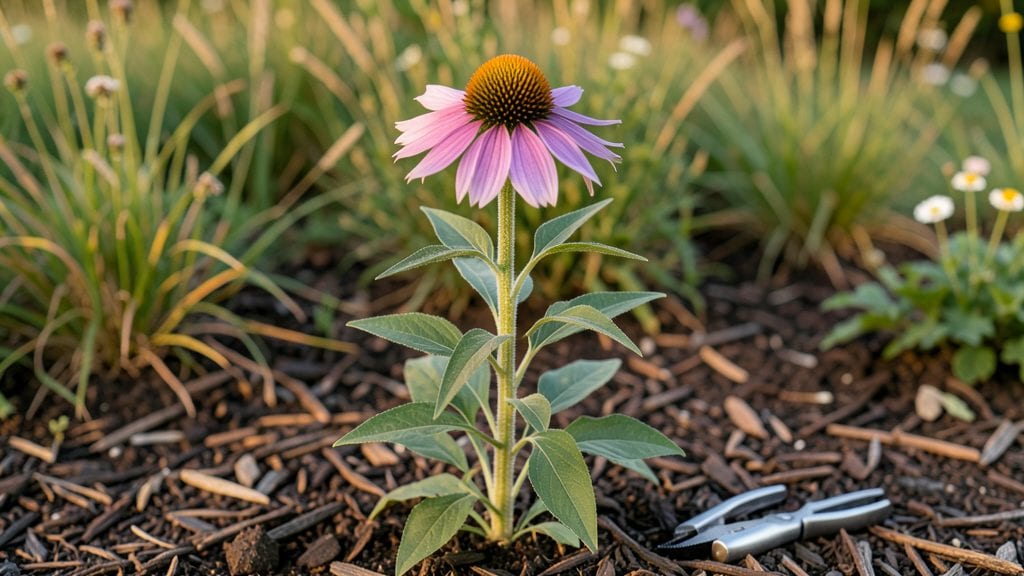
Perennial grasses with yellow flowers bring a sunlit glow to gardens that lasts from summer through frost. 🌻 I’ve planted these golden stalks in my own yard, and they’ve become the star of late-season borders—drought-tolerant, wildlife-friendly, and impossible to kill. The best part?
They multiply every year, giving you more drama with less work. These grasses thrive in full sun where other perennials might struggle, their feathery plumes swaying even when the air turns crisp.
Think Miscanthus with its zebra-striped stems or Panicum that bursts into golden clouds—both pair beautifully with black-eyed Susans or purple coneflowers for a cottage-core vibe. They’re also perfect for containers or wildflower meadows where you want height and movement.
You’ll spend almost no time on maintenance beyond an occasional trim in early spring. Deer and rabbits usually ignore them, and their deep roots prevent erosion while supporting pollinators. The golden hues they produce in fall? Pure magic when backlit by afternoon sun.
For best results, group them in odd-numbered clusters (3, 5, or 7 plants) and let them grow tall—these aren’t filler plants. They’ll anchor your garden’s back corners or soften a fence line while attracting bees and butterflies all season long.
📚 In This Guide
- What you need
- Instructions
- Tips and common mistakes
- Wrapping up and next steps
What you need
- ● Perennial grasses with yellow flowers: 1–3 plants of Miscanthus sinensis ‘Zebrinus’ (3–4 ft tall, golden-yellow plumes)
- ● 1–2 plants of Panicum virgatum ‘Northwind’ (3–4 ft, feathery yellow blooms)
- ● 1–3 plants of Carex testacea (1–2 ft, golden sedge with chartreuse foliage)
- ○ Optional: Hordeum jubatum ‘Variegatum’ (2 ft, foxtail grass with creamy-yellow stripes)
- ● Soil: Well-draining, sandy loam (amend with compost if clay-heavy)
- ● Fertilizer: Slow-release, balanced 10-10-10 (1 lb per 100 sq ft, applied in early spring)
- ● Mulch: 2–3 inches of organic mulch (straw or shredded bark) to retain moisture
- ● Garden trowel or transplant spade
- ● Gloves (to protect from thorns or rough edges)
- ● Watering can or hose with soaker nozzle (for deep watering)
- ● Pruners (sharp, bypass-type for clean cuts)
- ○ Optional: Stakes or plant supports (for taller varieties like Miscanthus)
- ● String lights or solar-powered garden lights (to highlight evening blooms!)
- ● Sunlight: Full sun (6+ hours/day)—these grasses thrive in bright, open spaces!
- ● Spacious planting area: Minimum 18–24 inches apart (check plant tags for spacing guidelines)
- ● Drought tolerance: Once established, these grasses need minimal watering (1–2 inches per week)
- ● Patience: Some varieties may take 1–2 years to reach full bloom height and color intensity.
How to plant and maintain stunning perennial yellow-flowering grasses
These sun-loving beauties bring color back year after year with minimal fuss!
🌱 Step 1: Choose the Right Spot and Prepare the Soil
Select a location with full sun exposure (6+ hours daily). Yellow-flowering grasses like North American bluestem (Andropogon gerardii) or little bluestem (Schizachyrium scoparium) thrive in well-drained soil. Avoid low-lying areas where water pools after rain—they hate soggy roots.
Loosen the soil to a depth of 12 inches using a garden fork. Amend heavy clay with 2-3 inches of compost to improve drainage. These grasses are tough once established, but they appreciate a nutrient boost at planting time. I always work in a handful of slow-release fertilizer to encourage strong root development.
🪴 Step 2: Plant at the Right Time and Depth
Spring or early fall are the best times to plant. Dig holes twice as wide as the root ball but only as deep as the container. Gently remove the plant from its container and tease apart any circling roots—this prevents girdling as they grow. Place the plant in the hole so the top of the root ball sits just below soil level.
Backfill with native soil, pressing lightly to eliminate air pockets. Water deeply until moisture reaches 6 inches down. You'll see the soil surface darken and small puddles form—this confirms proper saturation. Mulch with 2 inches of shredded bark to retain moisture and suppress weeds, but keep it 3 inches away from the plant stem to prevent rot.
☀️ Step 3: Water Consistently During Establishment
Keep the soil evenly moist for the first 2-3 months after planting. Water when the top 2 inches of soil feel dry to the touch. These grasses develop deep roots, so deep watering encourages them to grow strong. I use a soaker hose for 20-30 minutes per session to avoid wetting the foliage, which can invite fungal diseases.
Once established, these grasses are incredibly drought-tolerant. You'll notice new growth emerging in early spring—this is your signal that the plant has successfully rooted. After the first year, reduce watering to once every 2 weeks unless your area experiences extreme heat or drought.
✂️ Step 4: Prune for Health and Winter Prep
Cut back dead foliage in late winter or early spring before new growth appears. Use clean, sharp pruners to slice stems at the base. I always wear gloves—some grasses like switchgrass (Panicum virgatum) have sharp edges that can draw blood. Never remove more than ⅓ of the plant at once, as this can stress the plant.
Leave seed heads if you want to attract birds and pollinators. The dried plumes provide winter interest and food for wildlife. If you prefer a tidier look, remove seed heads after they've browned. Fertilize lightly in early spring with a balanced 10-10-10 formula to encourage vibrant yellow blooms later in the season.
Tips & tricks for perfect perennial yellow-flowering grasses
Transform your garden into a golden pollinator paradise with these game-changing tips that'll make your yellow-flowering grasses thrive like never before!
Soil Prep Secret: When loosening that 12-inch depth of soil in Step 1, go the extra mile by breaking up any compacted layers with your garden fork. These grasses have fibrous root systems that need to penetrate deeply, and you want to eliminate any resistance. I've found that adding a handful of slow-release fertilizer right at planting creates a nutrient reservoir that fuels those roots during their critical first year. Think of it as giving your plants a head start on their marathon to maturity!
Planting Precision: In Step 2, that twice-as-wide hole isn't just about space—it's about creating room for those roots to spread outward. After placing your plant, I like to gently press the surrounding soil with my fingers to create a slight basin around the root ball. This helps capture water during those initial 20-30 minute watering sessions we'll do later. Pro tip: If you're planting multiple grasses, space them 3-4 feet apart to give them room to grow into their stunning mature forms.
Watering Wisdom: During those first 2-3 months of establishment, I've learned the hard way that consistency is key. Set a reminder for your 20-30 minute soaker hose sessions—these grasses need that deep, even moisture to develop strong root systems. Here's what I do: I water in the morning so the foliage has time to dry before evening, which prevents fungal issues. And always check that 2-inch soil depth with your finger before watering again—don't let it dry out completely!
Pruning Payoff: When it comes to that late winter/early spring prune in Step 4, I've found that timing is everything. Wait until you see those first tiny green shoots emerging from the base—this tells you new growth has started. At that point, cut back the dead foliage just above the crown (the base where new growth appears). This encourages fresh, vibrant growth and prevents disease. And here's a bonus: those dried seed heads you might leave for winter interest actually provide shelter for beneficial insects during cold months!
Pro Tips for Perennial Grass With Yellow Flowers
- Transform your garden into a golden pollinator paradise with these game-changing tips that'll make your yellow-flowering grasses thrive like never before!
- Soil Prep Secret: When loosening that 12-inch depth of soil in Step 1, go the extra mile by breaking up any compacted layers with your garden fork.
- Planting Precision: In Step 2, that twice-as-wide hole isn't just about space—it's about creating room for those roots to spread outward.
Frequently asked questions
Got questions about adding perennial grasses with yellow flowers to your garden? You're not alone! Here are some of the most common queries—and their answers—to help you get started with confidence.
Which perennial grasses with yellow flowers are easiest for beginners?
Start with Miscanthus sinensis 'Zebrinus' or Panicum virgatum 'Northwind'. Both are hardy, drought-tolerant, and thrive in full sun. Carex testacea is another low-maintenance option with golden hues. These grasses require minimal upkeep and offer year-round interest.
When is the best time to plant these grasses?
Plant in early spring or early fall for optimal root establishment. Avoid extreme heat or frost. Container-grown grasses can be planted year-round in mild climates, but spring or fall gives them the best chance to settle in before winter or summer stress.
Do these grasses attract pollinators like bees and butterflies?
Grasses like Schizachyrium scoparium (little bluestem) and Andropogon gerardii (big bluestem) are pollinator powerhouses. Their seed heads provide late-season nectar and shelter. Pair them with native wildflowers for an extra boost to your garden’s ecosystem.
What should I do if my yellow-flowering grass turns brown or looks unhealthy?
Brown patches can signal overwatering, underwatering, or nutrient deficiency. Check soil moisture—most grasses prefer well-draining soil. If the issue persists, amend soil with compost or use a balanced fertilizer in early spring. Dead foliage can be trimmed in late winter to encourage fresh growth.
Are there any yellow-flowering grasses that work well in containers?
Yes! Try Cortaderia selloana 'Pumila' (dwarf pampas grass) or Chasmanthium latifolium (northern sea oats). Both have golden blooms and thrive in pots. Ensure containers have drainage holes and use a lightweight, well-draining potting mix to prevent root rot.
Wrapping up and next steps
Transforming your garden into a vibrant, pollinator-friendly haven is easier than you think!
Perennial yellow-flowering grasses like Miscanthus sinensis or Panicum virgatum bring low-maintenance beauty and year-round interest—plus, they’re a boon for bees, butterflies, and hummingbirds. 🐝 Whether you’re a seasoned gardener or just starting, these sun-loving plants offer durability, texture, and effortless charm with minimal fuss.
Ready to take the next step? Start small: Choose one variety that fits your space, gather your supplies, and plant with confidence. Watch as your garden comes alive with golden blooms and buzzing activity—nature’s way of saying “thank you!” 🌿