
Planting
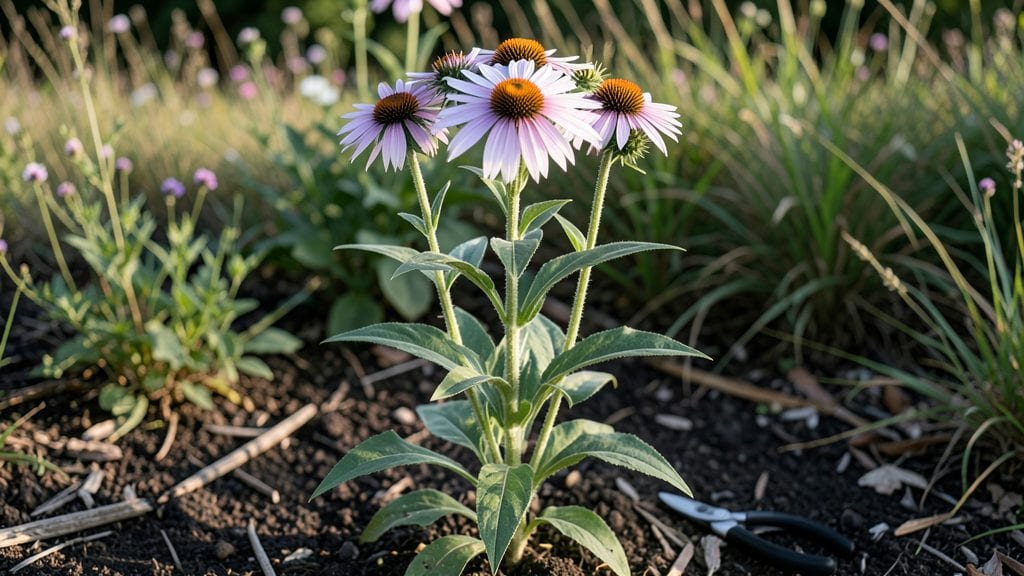
For sun perennials in Zone 6, black-eyed Susan, coneflower, and daylily are top performers, surviving harsh winters and thriving in full sunlight while offering bold colors and minimal upkeep. Prioritize cold-resistant varieties rated for Zone 6 to ensure consistent blooms season after season.
Zone 6's climate—where winter lows dip to 0°F to 10°F—demands perennials with deep root systems and frost-resistant foliage. 🔥 These sun-loving plants store energy underground, allowing them to regrow quickly in spring.
For example, coneflowers develop woody stems that insulate roots, while daylilies produce tough, fibrous rhizomes that resist freeze-thaw cycles. Mulching with 3-4 inches of straw or leaves adds an extra layer of protection for delicate varieties like lavender.
Beyond cold tolerance, these perennials excel in full sun (6+ hours daily) and well-draining soil. Black-eyed Susans, for instance, thrive in poor soil conditions, making them ideal for rocky or sandy gardens. Meanwhile, Russian sage's silvery foliage reflects heat, reducing stress during summer heatwaves.
When selecting plants, always check the USDA Zone 6 label—it guarantees the variety can handle your region's extremes without extra fuss.
💡 In This Article
- How Cold Hardiness Affects Sun Perennial Selection
- Top 10 Sun-Loving Perennials for Zone 6 Gardens
How cold hardiness affects sun perennial selection
Zone 6's winter temperatures—typically ranging from 0°F to 10°F—force perennials to develop specialized survival strategies. The key mechanism is cold acclimation, where plants gradually adjust their cellular chemistry to prevent ice crystal formation.
For example, coneflowers produce antifreeze proteins that lower their freezing point by 2-5°F, while daylilies store carbohydrates in their fibrous rhizomes to fuel regrowth when temperatures rise. This biological adaptation explains why these plants bounce back year after year without needing replanting.
Soil insulation plays a critical role in protecting roots during freeze-thaw cycles. A 3-4 inch layer of organic mulch (like straw or shredded leaves) creates a 10-15°F warmer microclimate near the soil surface compared to exposed ground.
This temperature buffer prevents root damage in species like lavender, whose roots are only 1-2 inches deep. Russian sage, with its deeper taproot system (3-4 feet), naturally endures colder soil temperatures but benefits from mulch to maintain consistent moisture levels during winter desiccation.
The science of dormancy reveals why some sun perennials outperform others in Zone 6. Black-eyed Susans enter a deep dormancy state, where their above-ground stems die back completely while roots remain metabolically active. This strategy conserves energy until spring, when they regrow from the crown.
In contrast, sedum stores water in its thick, succulent leaves—allowing it to survive brief droughts and frost events without permanent damage. 🌟 The trade-off? Sedum's shallow roots make it less cold-hardy than coneflowers, which prioritize root insulation over water storage.
Mulching techniques vary by plant type. For delicate perennials like catmint, apply mulch in late fall after the first hard frost to prevent temperature swings. Hardier varieties like bee balm can wait until winter's peak (January) when soil temperatures stabilize.
The golden rule: Never mulch too early—warmth can trigger premature growth before the plant is ready, leaving it vulnerable to late frosts. A 4-inch layer of mulch provides optimal protection without suffocating roots.
Comparing frost resistance reveals surprising differences even among sun-loving perennials. Lavender, with its woody stems, can survive -20°F when established, but its foliage often browns in Zone 6 winters. Russian sage, however, maintains its silvery foliage through winter, thanks to its silica-rich leaves that resist desiccation.
This structural adaptation makes it a better choice for winter interest gardens. The lesson? Cold hardiness isn't just about survival—it's about maintaining aesthetic value during all seasons.
What most gardeners overlook is how soil moisture interacts with cold tolerance. Wet soil conducts heat away from roots 10 times faster than dry soil, increasing frost risk. Amending clay soils with sand or compost improves drainage, while adding gypsum to sandy soils helps retain moisture without compacting.
These adjustments create the ideal balance for Zone 6 perennials: well-drained yet moisture-retentive soil that buffers temperature extremes. 💫