
Planting
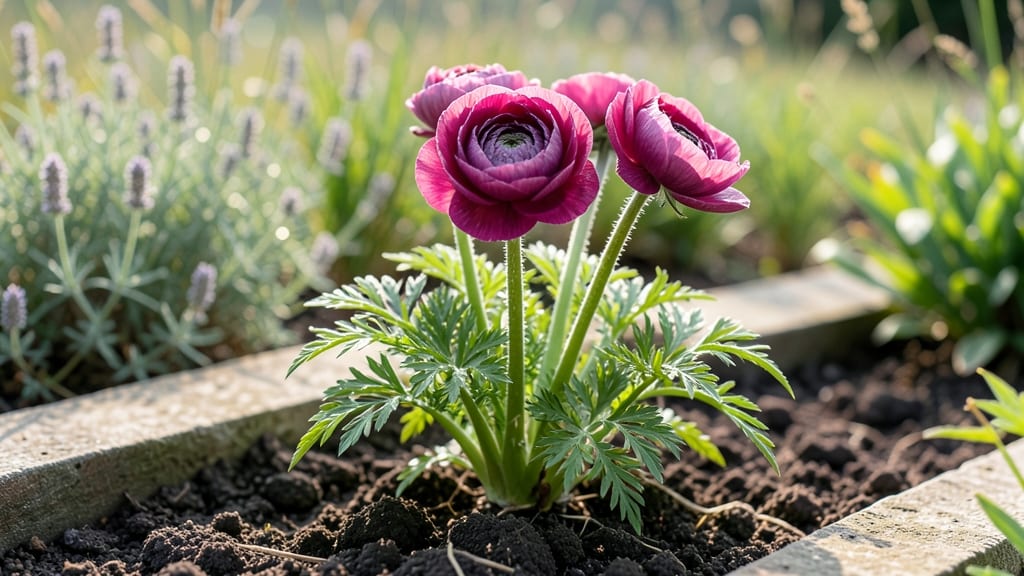
Ranunculus perennial zones thrive best in USDA zones 3 through 9, though their long-term survival varies by winter severity. Bulbs in zones 7-9 often return year after year, while gardeners in zones 3-6 typically treat them as annuals due to freezing risks. With proper protection, some varieties can persist for 3-5 years.
Understanding these zones helps explain why ranunculus bulbs behave differently across regions.
The key factor is winter temperatures—below 20°F can kill unprotected bulbs, even in zone 3. 🌱 In milder zones, the plants naturally enter dormancy and regrow when conditions improve, while colder areas require extra insulation like thick mulch or even indoor storage during harsh winters.
This explains why many gardeners opt for annual treatment despite their perennial classification.
For those in colder climates, choosing cold-hardy varieties like Ranunculus asiaticus gives you the best chance at multi-year growth. These varieties have slightly better tolerance for chilly conditions, though they still need winter protection. The trade-off? With proper care, you can extend their lifespan significantly beyond a single season.
💡 In This Article
- Ranunculus Cold Hardiness Explained
- Extending Ranunculus Lifespan in Cold Climates
Ranunculus cold hardiness explained
Ranunculus bulbs enter dormancy when temperatures drop below 50°F, triggering a biochemical process where stored starches convert to sugars for energy. This survival mechanism is similar to tulips but less resilient—ranunculus bulbs lack the protective outer scales that shield tulips from freezing.
When temperatures plummet below 20°F, the bulb's cellular structure begins to break down, causing irreversible damage to the meristem (growth center). This is why gardeners in zones 3-6 rarely see natural regrowth without intervention.
The science behind this involves the bulb's moisture content and insulation properties. A healthy ranunculus bulb contains about 65-70% moisture when dormant, but when frozen, this water expands and ruptures cell walls.
In zones 7-9, where winters rarely drop below 15°F, the soil acts as a natural insulator, maintaining temperatures above the critical threshold. However, in colder zones, even 3-4 inches of snow cover only provides about 10-15°F of protection—far from enough for prolonged sub-zero spells.
Here's what most people don't realize: mulch isn't just about keeping soil warm—it's about moisture retention. Straw mulch 3-4 inches deep can raise soil temperatures by 5-10°F while also preventing freeze-thaw cycles that crack bulbs.
The best mulches (like straw or shredded leaves) have air pockets that trap heat while allowing moisture to escape slowly, creating a microclimate that mimics the bulb's natural dormancy conditions. Without this protection, even zone 6 winters can be lethal.
Another critical factor is bulb size. Larger bulbs (1.5 inches in diameter) have more stored energy reserves and survive better than smaller ones. This is why commercial growers often sell "jumbo" ranunculus bulbs—they're better equipped to handle winter stress.
The trade-off? These premium bulbs cost 2-3x more than standard sizes, making them impractical for most home gardeners in marginal zones.
What makes ranunculus unique is their sensitivity to repeated freeze-thaw cycles. Unlike hardy perennials like peonies, ranunculus bulbs can't tolerate soil temperatures fluctuating between 32°F and 20°F multiple times—a common occurrence in zones 4-6.
Each cycle accelerates moisture loss and cellular damage, which is why gardeners in these areas often dig up bulbs entirely for indoor storage rather than risking overwintering.
In ideal conditions (zones 7-9), ranunculus bulbs naturally regrow for 3-5 years because they experience stable winter temperatures above 15°F. The bulbs develop a protective layer of dead leaves that insulates them, much like how a snow blanket protects early spring flowers.
This natural insulation is why you'll see ranunculus thriving as perennials in coastal California or the southeastern U.S.—places where winter highs rarely drop below 40°F.
For gardeners pushing the limits in zones 5-6, the key is mimicking these ideal conditions. Using black plastic mulch (which raises soil temps by 5-8°F) combined with 6+ inches of straw can extend bulb life by 1-2 years compared to no protection.
The science shows that even a 10°F temperature increase at the bulb's depth can mean the difference between survival and failure. 🌱