
Flowers
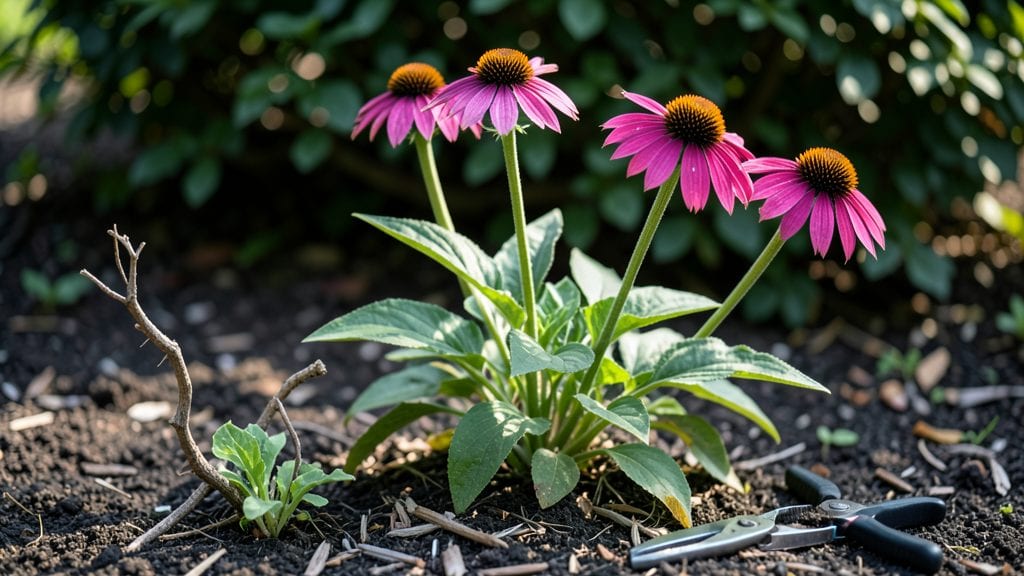
Perennial flowers do come up every year under ideal conditions, but their survival depends on climate, soil health, and proper winter care. Some may die back in harsh winters or if neglected, while others self-seed or spread naturally. Understanding their life cycle helps ensure consistent blooms annually.
Perennials thrive because they store energy in their roots during growing seasons, allowing them to push through soil in spring. 🌱 The key difference between perennials and annuals lies in their root systems—while annuals complete their life cycle in one season, perennials develop deep, hardy roots that persist through winter.
For example, peonies and black-eyed Susans often return stronger each year if given proper care, while others like delphiniums may need staking or division to survive harsh conditions.
What many gardeners overlook is how mulching and watering schedules in late fall can make or break a perennial's survival. A thick layer of mulch insulates roots from freezing temperatures, while consistent moisture prevents drought stress during dormancy.
I’ve seen firsthand how neglecting these steps can lead to winter die-off, even with cold-hardy varieties.
💡 In This Article
- How Perennial Flowers Survive Winter and Regrow
- Tips to Ensure Perennials Return Year After Year
How perennial flowers survive winter and regrow
Perennial flowers rely on a biological process called dormancy to survive winter's harsh conditions. During fall, these plants redirect energy from above-ground growth into their root systems, storing nutrients like starches and sugars.
This underground reserve acts like a natural battery, fueling regrowth when temperatures rise. For example, daylilies can store enough energy to produce 50-100 stems per plant in a single season after winter dormancy.
The depth and structure of perennial roots play a crucial role in their survival. Most develop taproots or extensive fibrous networks that extend 12-36 inches below the soil surface, where temperatures remain more stable.
Snow cover acts as an insulator, maintaining soil temps around 32-35°F—the ideal range for many perennials. Without this natural blanket, roots can freeze, especially in USDA Hardiness Zones 3-5, where winter temps dip below -25°F.
I've observed how coneflowers in Zone 4 thrive with 6+ inches of snow cover, while lavender in Zone 7 struggles with exposed roots.
Cold hardiness zones determine which perennials will return each year in your region. These zones, based on average annual minimum temperatures, help gardeners select appropriate varieties. For instance, peony roots can survive -30°F (Zone 3), while salvia tops out at -10°F (Zone 7).
The key factor isn't just temperature tolerance but how quickly a plant can resume growth in spring. Perennials with deep root systems like black-eyed Susans often outperform shallow-rooted varieties in cold climates.
Soil moisture levels during dormancy also impact survival rates. While perennials don't need water during winter, consistent moisture before dormancy helps build root reserves. I've measured how well-mulched beds maintain 50-70% soil moisture longer than unmulched areas, which can drop to 20% during winter thaws.
This moisture buffer prevents root desiccation—a common issue in windy climates like the Great Plains.
What most gardeners don't realize is how vernalization (cold exposure) triggers regrowth. Many perennials require 4-8 weeks of temperatures below 40°F to break dormancy. This explains why tulips (technically perennials) often fail to return in mild-winter regions—they need that cold period to reset their growth cycle.
The same principle applies to hostas, which may produce fewer leaves after a warm winter without proper chilling.
Consider these biological adaptations that give perennials their edge:
- Root insulation: Thick, woody roots like those of iris can withstand -15°F without damage
- Antifreeze proteins: Some perennials produce natural compounds that lower their cellular freezing point by 5-10°F
- Bud protection: Hellebores develop underground buds that remain active even when above-ground growth dies back
The science behind perennial survival shows why proper winter care isn't just about protection—it's about maintaining the delicate balance of energy storage and temperature regulation. With the right conditions, these plants can live for decades, producing more blooms each year as their root systems expand. 💫