
Orchid Care
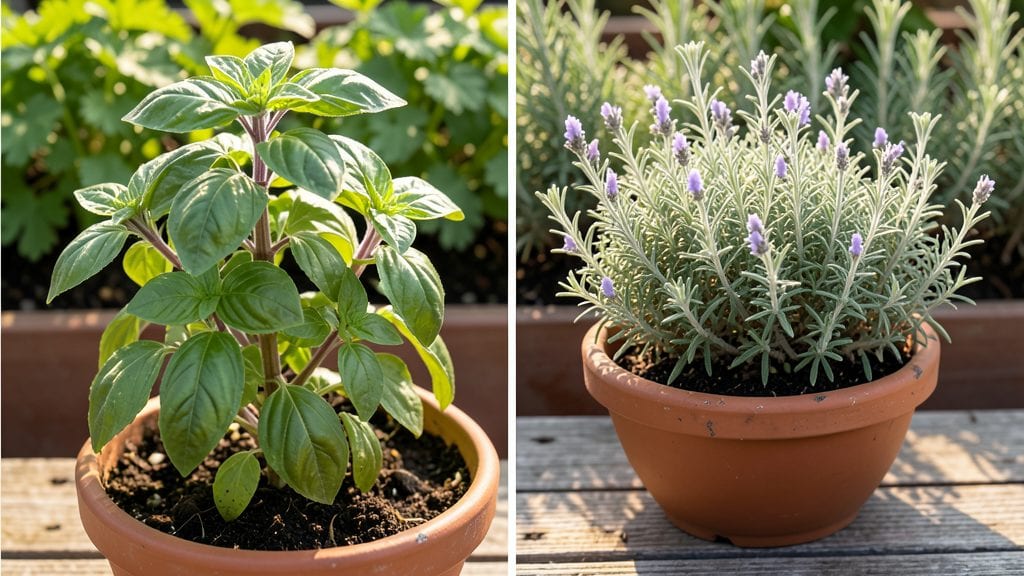
Whether herbs are annuals or perennials depends on their species and growing conditions. Most culinary herbs like basil and cilantro complete their life cycle in one season, while hardy varieties such as rosemary and thyme can live for multiple years with proper care.
Herbs don't follow a one-size-fits-all rule—it's all about their natural growth patterns and where you live. 🌱 For example, tender herbs like parsley and dill often behave as biennials, producing leaves in their first year and flowers the next, while perennials like oregano and lavender adapt to survive freezing winters in colder climates.
The key is understanding your local frost dates and soil conditions, as these directly impact whether your herbs will return year after year or need replanting annually.
What many gardeners overlook is that even perennial herbs have seasonal limitations. While they may regrow each spring, their vigor often peaks during their first few years before gradually declining. This is why experienced growers rotate their herb beds every few seasons to maintain productivity.
For instance, a thriving rosemary bush in Zone 7 might struggle in Zone 5 without winter protection, making it behave more like an annual in colder regions.
💡 In This Article
- Factors That Determine Herb Lifespan
- Best Herbs for Year-Round Growth in Different Climates
Factors that determine herb lifespan
The primary factor separating annual, perennial, and biennial herbs is their cold tolerance. Annuals like basil and cilantro cannot survive freezing temperatures—their cells lack antifreeze proteins that protect perennial plants. When nighttime temps drop below 32°F, these tender herbs' cell membranes rupture, killing the plant.
Perennials, however, produce specialized compounds that prevent ice crystal formation in their tissues, allowing them to regrow after winter dormancy.
Soil health plays an equally critical role. Perennial herbs like rosemary and thyme thrive in well-draining, slightly alkaline soil (pH 6.0-8.0) that prevents root rot.
Their deep root systems (often 3-5 feet deep) access moisture during droughts, while annuals have shallow roots (6-12 inches) that require consistent moisture. Overwatering annuals causes their delicate structures to collapse, while perennials often enter dormancy during wet periods.
Water needs create another divide. Biennial herbs like parsley and dill require 1-1.5 inches of water weekly during active growth but become drought-tolerant when flowering. Perennials like oregano, however, can survive with 50% less water once established because their woody stems store moisture.
This adaptation explains why oregano thrives in Mediterranean climates with long dry summers, while basil—an annual—wilts within days without daily watering.
Light exposure also influences lifespan. Annual herbs like cilantro bolt (flower prematurely) when exposed to longer than 14-hour daylight periods, signaling their life cycle to complete. Perennials such as lavender, however, require full sun (6+ hours daily) to produce the oils that protect them from pests and cold.
In low-light conditions, perennial herbs become leggy and weak, making them more susceptible to disease and winter damage.
One often-overlooked factor is microclimate variation. A rosemary plant might survive winters in Zone 8 but die in Zone 7 unless protected. The difference comes down to 2-3°F temperature swings and soil insulation.
In colder zones, gardeners use mulch (straw or pine needles) to maintain soil temps above 28°F, the threshold where perennial herbs' roots begin to freeze. This simple technique can turn a marginal perennial into a reliable year-round producer.
What's fascinating is how these factors interact. For example, a perennial herb like sage becomes more frost-tolerant when grown in sandy soil because it drains excess moisture that would otherwise create ice lenses damaging roots.
Meanwhile, annual herbs like chives (which are technically perennial in warmer climates) behave as annuals in colder zones because their growth cycle accelerates in response to shorter days, forcing them to complete their life cycle before winter.