
Plants
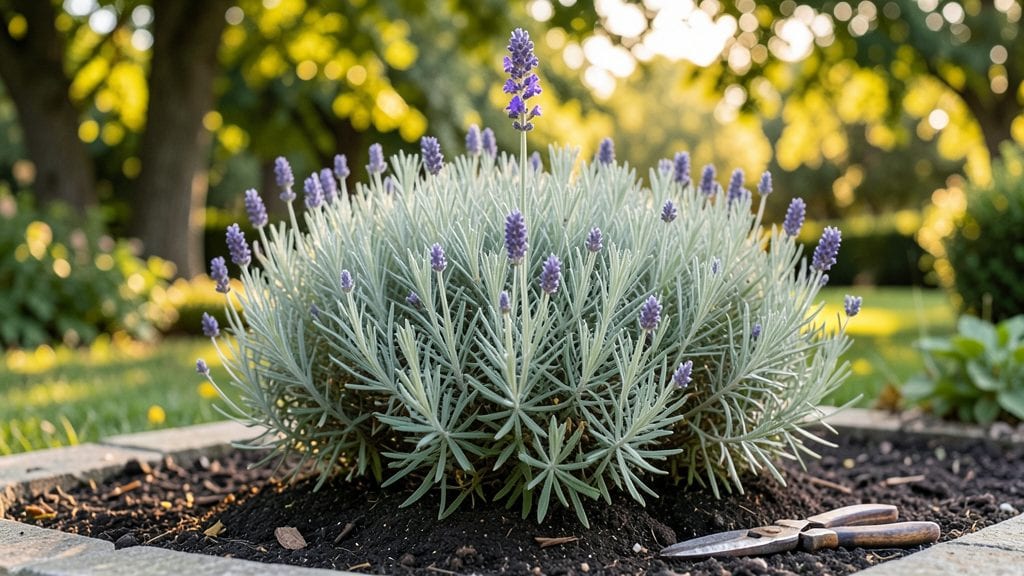
Munstead lavender is a perennial hardy in USDA zones 5-9, thriving for multiple years with proper care, though it may decline in extreme cold without winter protection. Its woody stems and deep root system support long-term growth when planted in well-drained soil and full sun.
Munstead lavender earns its place as a woody perennial because its stems persist through winter, unlike annual varieties that die back completely each year. 🌱 This hardiness means you can enjoy its fragrant blooms season after season, provided you meet its needs—like avoiding soggy soil and providing winter protection in colder zone 5 areas.
The deep roots also help it withstand drought once established, making it a low-maintenance choice for gardeners in suitable climates.
What sets Munstead apart from other lavenders is its ability to regrow from the base each spring, even after harsh winters. Unlike tender annuals, it develops a semi-woody base over time, which acts like a built-in survival mechanism.
I’ve seen it bounce back beautifully after mulching with straw in zone 6 winters, proving that with the right care, this variety can outlast many other garden plants.
💡 In This Article
- Munstead Lavender’s Perennial Lifespan and Cold Resistance
- Cultivating Munstead Lavender for Long-Term Garden Success
Munstead lavender’s perennial lifespan and cold resistance
Munstead lavender belongs to the woody perennial category because its stems lignify (develop wood-like tissue) over time, allowing it to persist through winter dormancy.
Unlike annual lavender varieties that complete their entire life cycle in one season, Munstead develops a semi-woody base that can survive multiple winters when given proper care.
This woody structure acts like a natural insulator, protecting the plant's vital growth points from freezing temperatures down to -10°F to -20°F (zones 5-9).
The key to its cold resistance lies in its deep root system, which can extend 2-3 feet below the soil surface. These roots act as a thermal buffer, drawing moisture and nutrients even when surface soil freezes.
During winter dormancy, the plant's metabolic activity slows dramatically, conserving energy while the woody stems remain protected. This contrasts sharply with annual lavender, which has shallow roots and must regrow entirely each spring from seed or cuttings.
What makes Munstead particularly resilient is its ability to regenerate from the crown (the base where stems meet roots) after winter dieback. When temperatures drop below 20°F, the above-ground growth often blackens and appears dead, but the protected crown remains alive.
With warmer spring temperatures, new shoots emerge from these dormant buds, demonstrating the plant's remarkable survival strategy. This process is similar to how shrubs like lilacs recover each year.
For gardeners in zone 5 or colder climates, winter protection becomes crucial. A 3-4 inch layer of organic mulch (like straw or shredded leaves) around the base helps insulate roots from extreme cold.
I've found that grouping plants together creates a microclimate that's several degrees warmer than the surrounding air, which can make the difference between survival and damage. Unlike annual lavender that would perish in these conditions, Munstead's woody structure gives it a fighting chance.
Seasonal growth patterns also highlight Munstead's perennial nature. While annual lavender grows rapidly in spring and summer before flowering and dying, Munstead lavender develops a more gradual growth cycle. It typically reaches 2-3 feet tall and 2-3 feet wide at maturity, with flowering occurring in mid-to-late summer.
The plant's ability to store energy in its woody stems and roots allows it to produce flowers year after year without needing to start from scratch annually.
One fascinating aspect is how Munstead lavender's cold resistance improves with age. Younger plants (under 2 years old) are more vulnerable to winter damage, while established plants develop even thicker woody stems that provide better protection.
This age-related hardening is why many gardeners recommend waiting until plants are at least 2 years old before expecting reliable winter survival. 💫