
Flowers
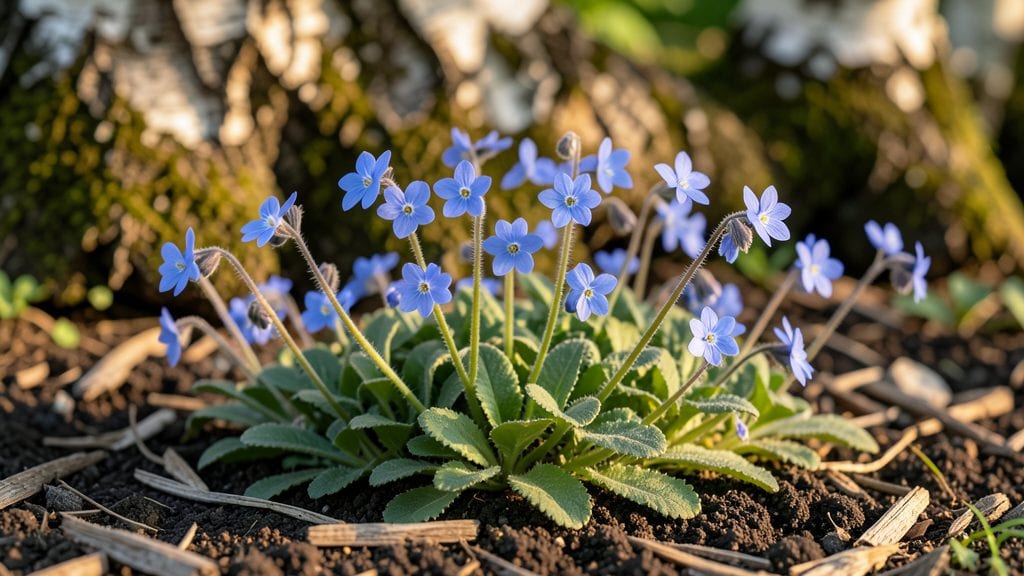
Forget-me-not flowers are indeed perennials in USDA zones 3-7, reliably returning each season with consistent care. Their hardy roots allow them to persist through winter dormancy, though aggressive self-seeding can occur in warmer regions. Pruning faded blooms extends their flowering period year after year.
These charming blue flowers thrive as perennials because their deep root systems store energy for regrowth. 🌿 In colder climates, they may appear dormant but survive underground until spring. The key to annual reblooms lies in proper winter mulching and spring soil aeration—both critical for root health.
Many gardeners also divide mature clumps every few years to prevent overcrowding, which can weaken flowering vigor.
What sets forget-me-nots apart is their dual nature: they behave as true perennials in cooler zones but may act like short-lived perennials or even annuals in milder winters. This adaptability makes them excellent for cottage gardens where they'll naturalize beautifully over time.
💡 In This Article
- Forget-Me-Not Flower Life Cycle Explained
- How to Ensure Forget-Me-Not Flowers Return Annually
Forget-me-not flower life cycle explained
Forget-me-nots (Myosotis spp.) exhibit a fascinating hybrid growth pattern that blends perennial and biennial characteristics. Their fibrous root systems—typically reaching 6-12 inches deep—store carbohydrates during summer growth to fuel winter survival.
In USDA zones 4-6, these roots enter a dormant phase when temperatures drop below 20°F, with metabolic activity slowing to just 5-10% of summer rates. The plant's ability to regrow from these roots is what classifies it as a true perennial in colder climates.
Their life cycle begins with seed germination, which occurs best in cool spring temperatures (50-60°F)—a key reason they thrive in northern gardens. Seedlings develop a rosette stage (low-growing leaves) before flowering in their first or second year, exhibiting biennial tendencies.
However, established plants produce new shoots annually from lateral buds on their roots, ensuring continuous growth. This vegetative spread creates dense mats that can smother weeds while maintaining flowering vigor for 3-5 years before requiring division.
In milder climates (zones 7-8), forget-me-nots often behave more like short-lived perennials or even annuals. The lack of true winter dormancy causes their roots to weaken over time, while warm winters trigger aggressive self-seeding—sometimes producing 500+ seeds per plant.
These seeds germinate readily in disturbed soil, creating naturalized colonies that can become weedy. The trade-off? Their ability to spread rapidly makes them excellent for low-maintenance ground cover in partial shade gardens.
What most gardeners overlook is how pruning affects their life cycle. Deadheading spent blooms (removing faded flowers) redirects the plant's energy from seed production to root and foliage growth, which extends the flowering season by 4-6 weeks.
Conversely, allowing seeds to mature encourages biennial behavior, where plants focus on seed production rather than perennial root development. This explains why some gardeners see forget-me-nots disappear after one season—if not properly maintained.
Their dormancy strategy involves a combination of cold hardening (acclimating to freezing temperatures) and osmotic adjustment (increasing root cell sugars to prevent ice crystal formation). Studies show forget-me-not roots can survive -20°F when properly mulched, though extreme fluctuations (30°F swings) stress the plants.
This cold tolerance is why they naturalize so successfully in temperate regions, where winter chilling periods break seed dormancy and stimulate spring growth.
Here's what you need to remember: Forget-me-nots are perennials because their root systems persist, but their above-ground growth patterns adapt to climate. In cold zones, they're reliable annual rebloomers; in mild zones, they may need your help to return year after year.
The secret lies in balancing pruning, mulching, and soil health to support that hidden root network working below ground. 🌱