
Flowers
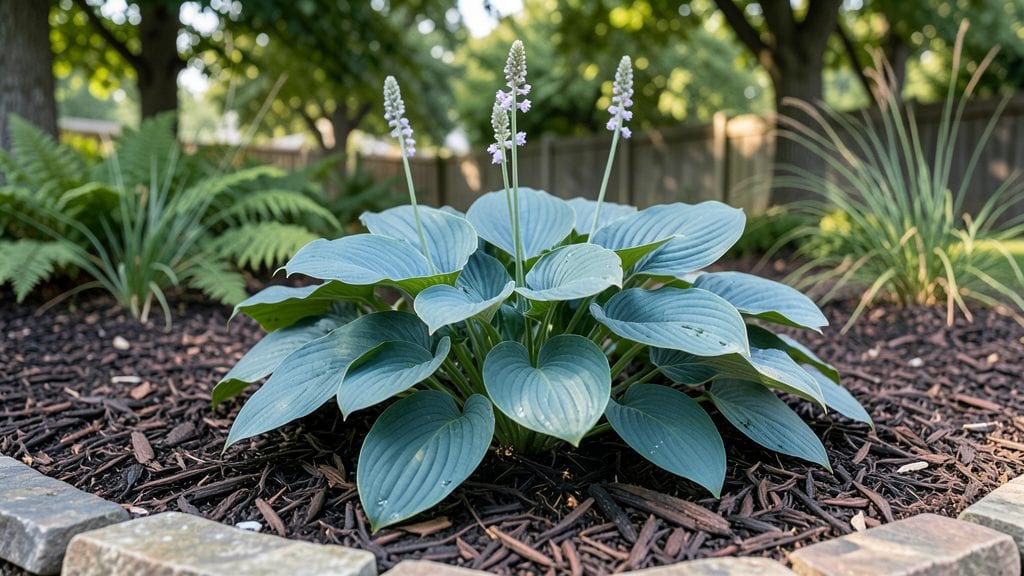
Yes, perennials do come back year after year by storing energy in underground roots, rhizomes, or tubers, then regrowing when conditions improve. Their survival depends on cold hardiness, soil conditions, and proper winter care to withstand freezing temperatures.
Perennials thrive because they've mastered the art of seasonal hibernation. 🌱 Their underground storage systems—like thick roots or fibrous rhizomes—act as natural batteries, storing nutrients and moisture until spring. This is why perennials like coneflowers or hostas return stronger each year, while annuals like marigolds must replant annually.
The key to their longevity? Cold hardiness ratings (USDA zones) tell you which perennials can survive your winter's lowest temps, while proper mulching and soil prep help them weather frost without damage.
For example, peonies in zone 3 can handle -40°F winters, while tropical perennials like cannas need winter protection or die back completely. The trade-off? Perennials often require more upfront care—like dividing overcrowded clumps every few years—to keep them healthy and blooming reliably.
It's this balance of resilience and maintenance that makes them worth the investment for gardeners who want lasting color.
💡 In This Article
- How Perennial Plants Survive Winter Dormancy
- Choosing Perennials for Your Climate Zone
How perennial plants survive winter dormancy
Perennial plants survive winter through a biological process called dormancy, where they enter a state of slowed metabolic activity. Their underground structures—roots, rhizomes, or tubers—store carbohydrates like starches and sugars, which act as energy reserves.
For example, a peony's thick root can store enough energy to fuel a 5-foot-tall plant for an entire growing season. This stored energy allows them to regrow once temperatures rise above 50°F in spring.
The science behind this involves specialized cells that produce antifreeze proteins, similar to those found in cold-water fish. These proteins prevent ice crystals from forming within plant cells, which would otherwise rupture membranes. In hardy perennials like hostas (zone 3-9), these proteins allow roots to survive -25°F without damage.
Meanwhile, tropical perennials like elephant ears rely on thick, fleshy roots that store water as well as nutrients, though they often need winter protection in colder climates.
Dormancy also triggers physiological changes, such as reduced water uptake and increased cell membrane flexibility. This helps perennials withstand freezing soil conditions where water expands as it crystallizes. For instance, daylilies (zone 3-9) can survive -30°F winters because their rhizomes contain high concentrations of glycerol, a natural antifreeze compound.
Without these adaptations, even hardy perennials would suffer frost damage or die back completely each winter.
Cold hardiness zones (USDA zones) map these survival capabilities, with zone 1 perennials like Siberian bugloss enduring -60°F while zone 10 perennials like ginger struggle below 30°F. The zone rating reflects both the plant's natural resilience and its ability to regenerate from stored energy.
Proper winter care—such as mulching with 3-4 inches of organic matter—further insulates these storage organs from extreme temperature fluctuations.
What most gardeners don't realize is that dormancy isn't just about surviving cold—it's also about timing. Perennials like bearded iris (zone 3-9) must experience a period of cold (40°F for 6-8 weeks) to break dormancy and bloom the following year.
Without this chilling requirement, stored energy remains dormant, and the plant may fail to produce flowers. This biological clock ensures perennials emerge at the optimal time for growth.
Consider the contrast between asparagus crowns (zone 4-10) and canna lilies (zone 8-11). Asparagus stores energy in thick, woody crowns that can survive -30°F by entering deep dormancy, while canna lilies rely on tuberous roots that freeze solid in cold climates.
The former thrives in northern gardens, while the latter requires winter digging or heavy mulch to protect its delicate storage organs. This difference highlights how perennials adapt their survival strategies to their native climates.
The key takeaway is that perennials don't just "come back"—they strategically prepare for winter by storing energy, producing antifreeze compounds, and timing their dormancy cycles. Understanding these mechanisms helps gardeners choose the right plants for their climate and provide the care needed to ensure reliable regrowth each spring. 🌿