I’ve been tending to plants since I was a kid, digging through my grandfather’s garden in New Mexico and learning how even the toughest cacti needed care. There’s something about watching seeds turn into life that never gets old. This site is my way of paying forward all the lessons I’ve picked up—whether it’s reviving a wilting houseplant or coaxing tomatoes to thrive in a small urban plot. I write the way I garden: with patience, a little trial and error, and a healthy dose of curiosity.
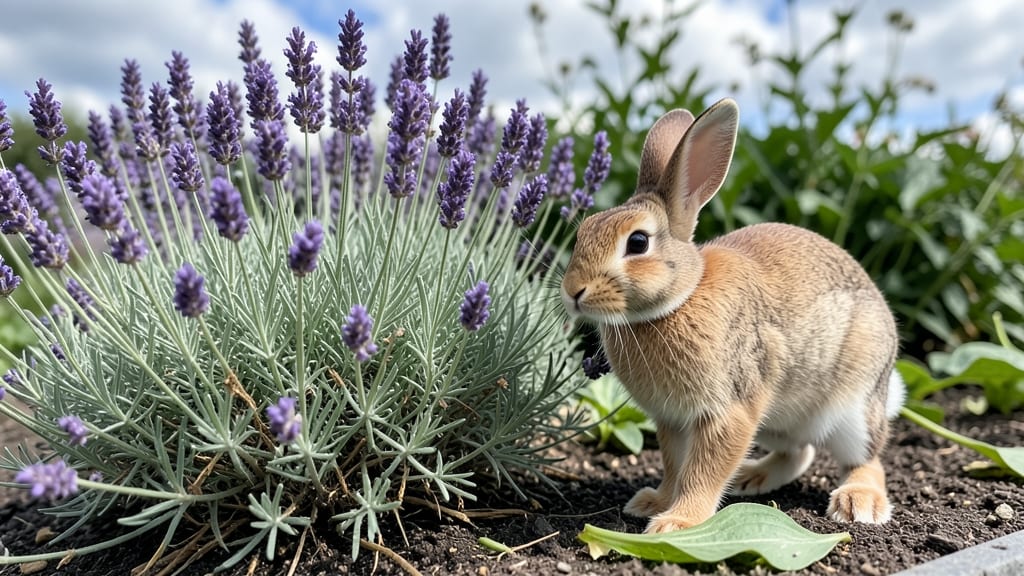
What perennials do rabbits not eat—like lavender, Russian sage, and lamb’s ear—often feature strong scents, fuzzy textures, or bitter compounds that deter them. Tougher options such as coneflowers and ornamental grasses…
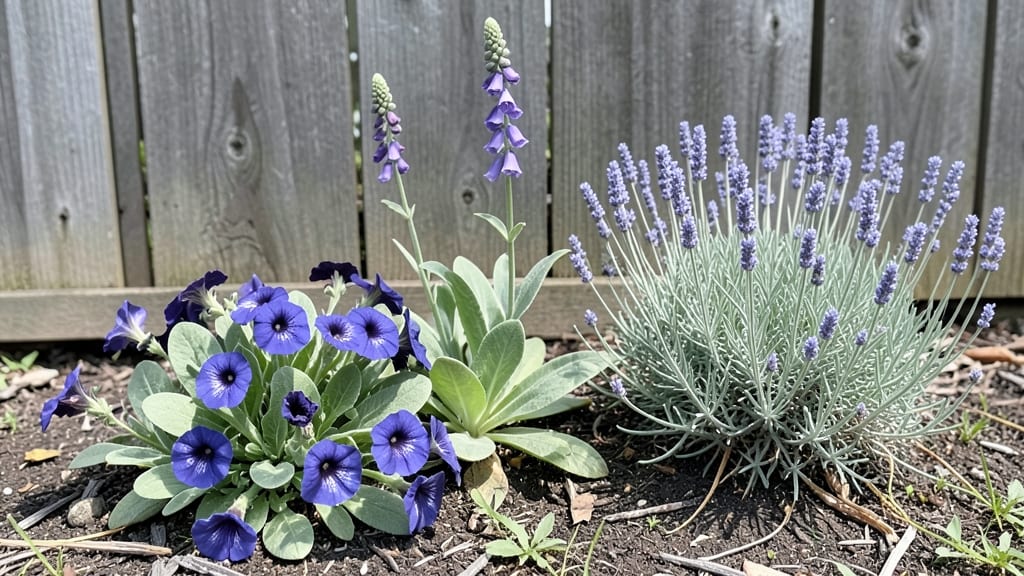
💥 Quick Answer The difference between annual, biennial, and perennial plants lies in their lifespans: annuals complete their life cycle in one growing season, biennials take two years to flower and produce seeds, while…
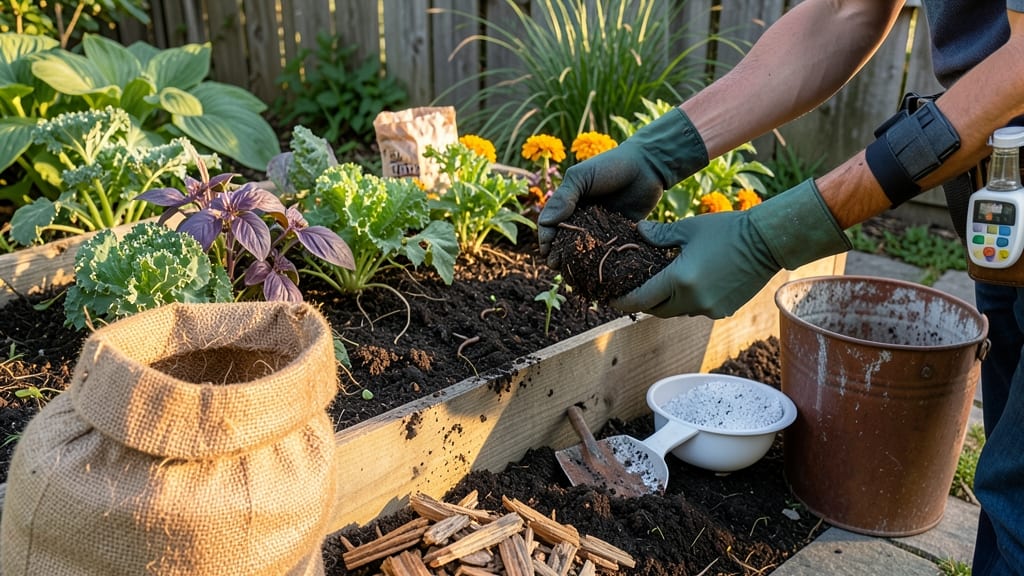
💥 Quick Answer Adding the right mix to raised bed soil means incorporating compost (30-50%) for nutrient density, aged manure (10-20%) for long-term fertility, and sand or perlite (10-15%) to improve drainage—adjust…
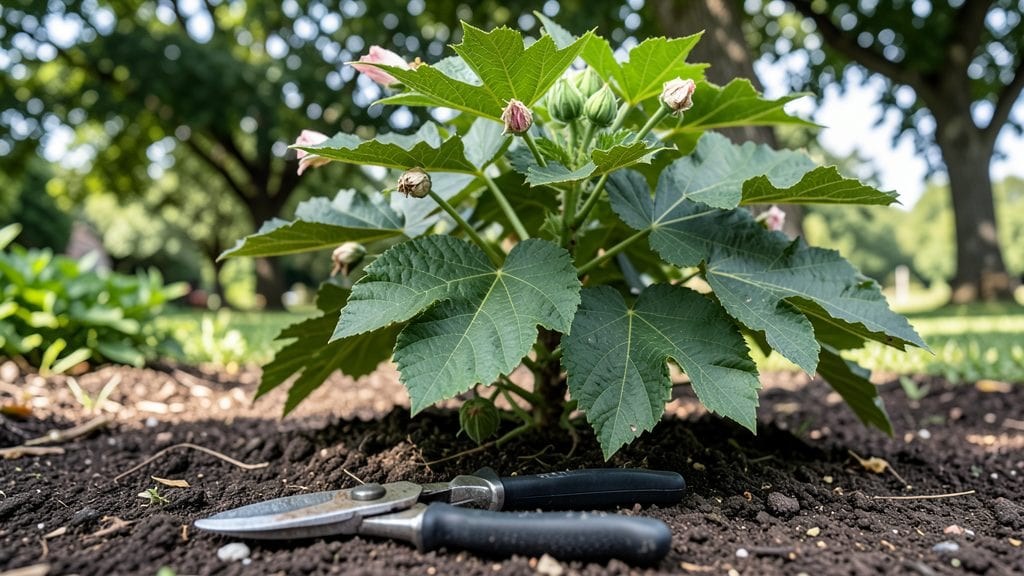
💥 Quick Answer Perennial hibiscus come back in late spring to early summer after surviving winter dormancy, typically between April and June in most U.S. climates, though timing varies by hardiness zone and local frost…
💥 Quick Answer Perennials go on sale primarily in early spring (March–April) and late summer (August–September), with garden centers and big-box stores offering discounts after holidays like Memorial Day and Labor Day…
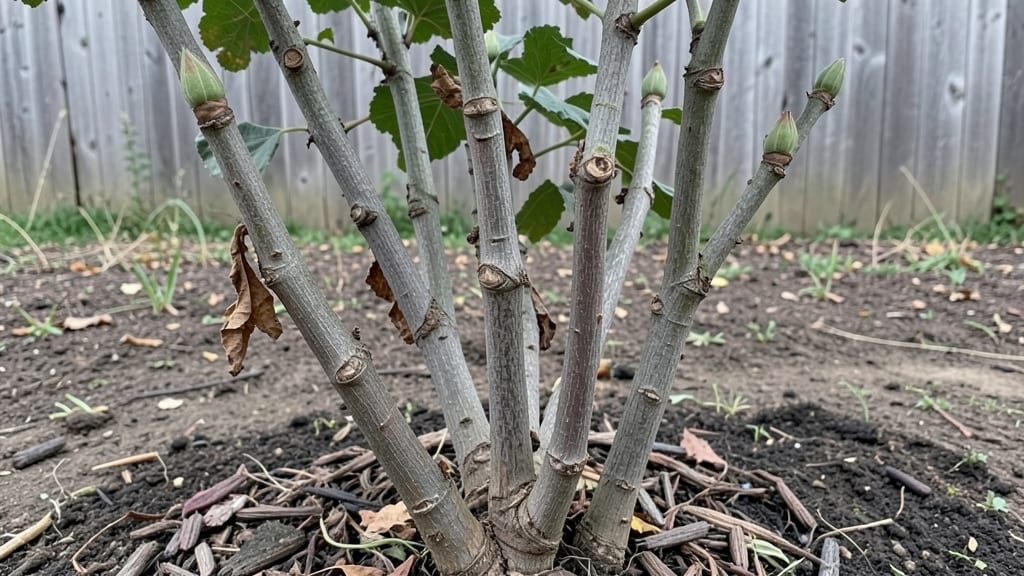
Cutting back your perennial hibiscus in late winter unlocks a season of vibrant blooms and bushier growth. Perennial hibiscus thrives with the right pruning timing—cut too early, and you risk stunted growth; too late…
Cutting down perennials at the wrong time can stifle next year’s blooms or leave them vulnerable to pests 🌱—so knowing the perfect window is everything. Struggling to decide when to cut back your perennials? Timing this…
💥 Quick Answer To fertilize perennials and shrubs, time it in early spring before new growth emerges and again in late summer or early fall for slow-release nutrients. Your specific plant types and local climate zones…
Planting perennials in fall 🌱 gives them a head start on roots before winter, so aim for 4-6 weeks before your first frost —that’s the magic window for success. Fall is the secret weapon for gardeners—planting…
Transplanting perennial flowers at the right time means the difference between thriving plants and years of struggling to recover. ✨ I learned this the hard way after moving a clump of coneflowers in early spring—only to…