
Pests
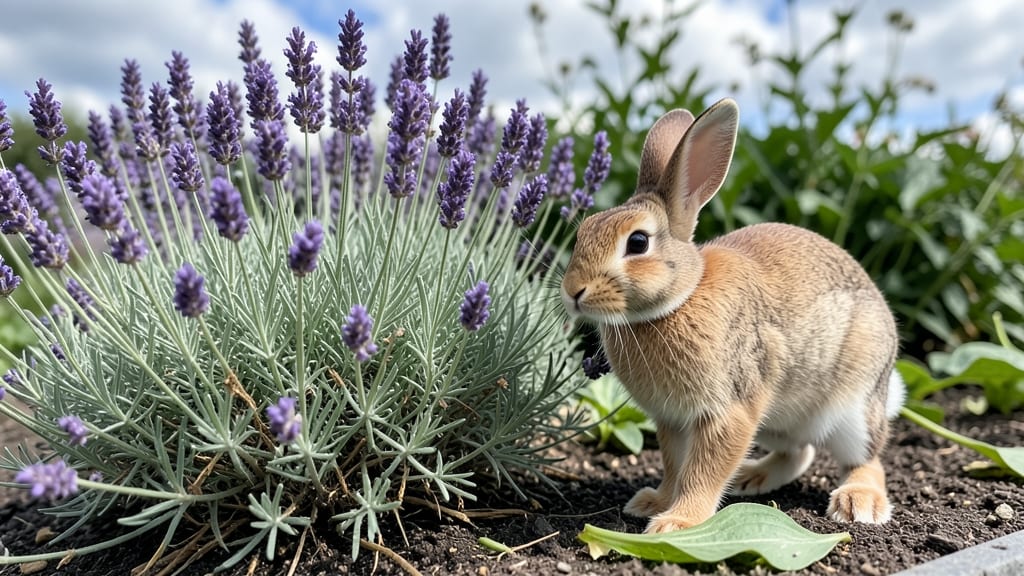
Rabbits have sensitive palates—plants with pungent aromas or coarse textures are their natural turn-offs. 🌿 For example, lavender’s volatile oils create an overpowering scent that repels them, while lamb’s ear’s fuzzy leaves feel unappetizing. Ornamental grasses, with their rigid blades, offer no easy bite, making them ideal border plants.
I’ve found that combining these with other rabbit-resistant species (like alliums or daffodils) creates a garden ecosystem that’s nearly impenetrable to hoppers.
Beyond just avoiding damage, these perennials often thrive with minimal care. Russian sage, for instance, handles drought like a champ while still keeping rabbits at bay with its silvery foliage.
The key is planting them strategically—grouping aromatic varieties near high-traffic areas where rabbits might browse. This approach gives you both beauty and protection without resorting to chemical repellents.
💡 In This Article
- Why Rabbits Avoid Certain Perennials
- Top Rabbit-Resistant Perennial Plants for Gardens
Why rabbits avoid certain perennials
Rabbits rely heavily on scent and texture when deciding what to nibble, and certain perennials trigger their built-in "avoid" instincts. Plants like lavender produce volatile oils that create a pungent aroma rabbits find overwhelming—similar to how we might avoid a room filled with strong perfume.
These oils, including linalool and camphor, disrupt their sensitive olfactory system, making the plant taste bitter and unpleasant. 🔥 Meanwhile, lamb's ear contains bitter alkaloids that create a soapy, unpleasant flavor, while its fuzzy, velvety leaves feel unappealing to their delicate mouths.
The texture plays a critical role too. Ornamental grasses like fountain grass have rigid, fibrous blades that resist chewing, while Russian sage features silvery, aromatic foliage that rabbits instinctively avoid.
These plants often contain high levels of essential oils (up to 0.5-1.5% of their dry weight) that act as natural repellents. For comparison, a rabbit's preferred clover contains only trace amounts (0.01%) of such compounds. The contrast in chemical composition is what makes these plants unpalatable.
Another key factor is toxicity levels. While most rabbit-resistant perennials aren't deadly, they contain compounds that cause mild digestive upset. Hellebores, for example, contain cardiac glycosides that create bitter, nauseating flavors, while yarrow produces coumarins that give it a sharp, almost medicinal taste.
Rabbits learn quickly to associate these flavors with discomfort, reinforcing their avoidance. This chemical defense system has evolved over centuries as a survival mechanism for these plants.
Growth habits also influence rabbit resistance. Plants with upright, dense foliage (like coneflowers) are harder for rabbits to access, while those with spiky stems (such as agastache) physically deter grazing.
The combination of these factors—aroma, texture, chemical composition, and physical structure—creates a multi-layered defense system that makes these perennials nearly rabbit-proof. Understanding these mechanisms helps gardeners make strategic planting choices to protect their landscapes.
Interestingly, rabbits' preferences aren't just about taste—they're also about energy efficiency. Soft, tender plants like lettuce require minimal chewing effort, while fibrous or aromatic perennials demand more energy to consume. This "cost-benefit analysis" in their foraging behavior explains why they skip these tougher options in favor of easier meals.
The science behind this involves their digestive systems being optimized for high-fiber, low-energy foods rather than chemically defended plants.
One exception worth noting is when rabbits become desperate due to food scarcity. Even normally avoided plants like lavender might be nibbled during harsh winters when other options are frozen or depleted.
However, in well-maintained gardens with diverse plantings, these resistant perennials typically remain untouched. The key is providing alternative food sources to prevent such extreme measures. 🌟