
Pruning
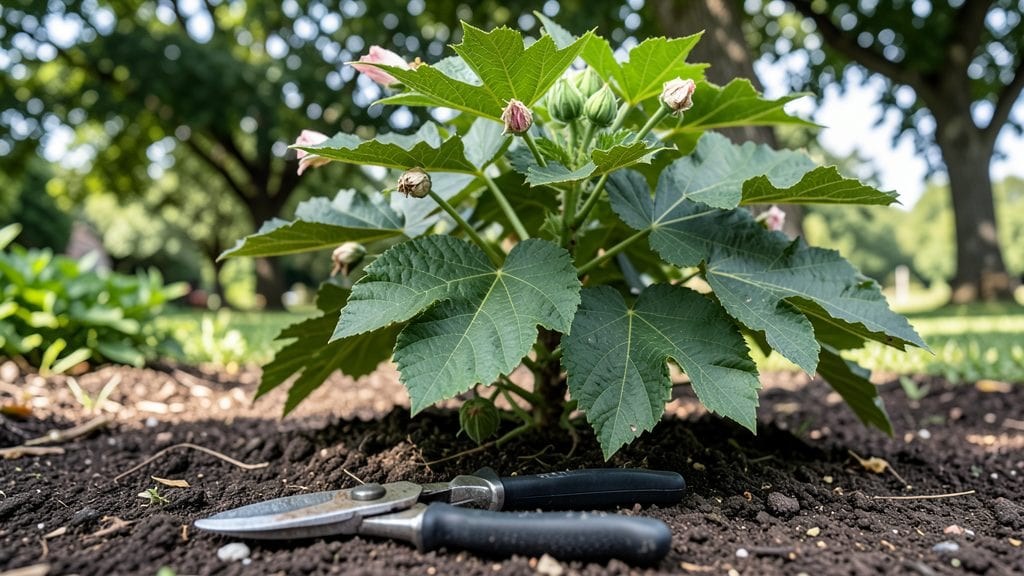
Cutting back your perennial hibiscus in late winter unlocks a season of vibrant blooms and bushier growth.
Perennial hibiscus thrives with the right pruning timing—cut too early, and you risk stunted growth; too late, and you may miss the season’s most vibrant blooms. Mastering the late-winter window transforms your hibiscus into a lush, flowering powerhouse.
In USDA Zone 6a, the ideal time is just after the last frost—typically mid-April—when new shoots begin peeking through the soil. This timing gives your plant a head start before spring’s warmth kicks in, ensuring it has time to recover and burst into full bloom by July.
Below, I’ll walk you through the exact steps, tools, and post-pruning care to keep your hibiscus thriving all season. You’ll learn how to prune for maximum blooms, avoid common mistakes, and even troubleshoot if your plant isn’t bouncing back as expected.
The ideal late-winter timeline for pruning perennial hibiscus
Late winter is the perfect time to prune perennial hibiscus and set the stage for a show-stopping summer display. Unlike tropical hibiscus, which bloom on old wood, hardy perennial varieties produce flowers on new growth—meaning aggressive pruning in late winter won’t sacrifice blooms.
The key is timing: too early, and you risk frost damage to fresh cuts; too late, and you delay the spring growth surge.
Your USDA zone dictates the exact window. In zones 7-9, prune between late February and early March when daytime temps consistently reach 50°F or above. Gardeners in zones 10-11 can prune as early as January, as frost isn’t a concern.
Watch for bud swell—a telltale sign your hibiscus is ready to wake up from dormancy.
| Zone | Prune Window | Key Readiness Signs | Post-Prune Care |
|---|---|---|---|
| 7-8 | Late Feb–Early March | Bud swell, 50°F+ days | Light feed, mulch base |
| 9 | Early–Mid March | New shoots, 55°F+ nights | Fertilize, stake tall stems |
| 10-11 | January–Early February | Leaf buds visible, 60°F+ | Water deeply, trim suckers |
In zone 7, where frosts linger until mid-April, delay pruning until after the last frost date—even if your hibiscus shows signs of waking. Use a thermometer to monitor nighttime lows; prune only when temps stay above 40°F to prevent cold stress on fresh cuts.
For zone 8, aim for late February if your winters are mild, but push to early March in colder microclimates.
Your hibiscus is ready for pruning when you spot bud swell—small, rounded bumps at the stem bases where next year’s growth will emerge. These dormant buds are your cue to act.
Pair this with new shoot emergence (thin, green growth from the crown), and you’ve hit the sweet spot. Ignoring these signs risks pruning too late, which can reduce flower production.
Never prune perennial hibiscus in fall, as this removes the old wood that stores energy for winter. Instead, focus on late-winter cleanup to remove dead or diseased stems and shape the plant. Use sterilized pruners to avoid spreading fungal pathogens like hibiscus blight, which thrives in damp conditions.
After pruning, feed your hibiscus with a balanced fertilizer (10-10-10) to jumpstart new growth. Apply a 2-inch layer of mulch around the base to retain moisture and regulate soil temps.
In arid zones, like parts of zone 10, add organic mulch to prevent soil crusting, which can suffocate roots.
Watch for new growth within 2-3 weeks post-prune. If your hibiscus doesn’t sprout by mid-April, it may be over-pruned or stressed. In this case, reduce watering slightly and avoid fertilizing until you see green shoots.
Patience is key—perennial hibiscus is resilient but needs time to recover.
For tropical hibiscus (like Hibiscus rosa-sinensis), late-winter pruning is optional. These varieties bloom on old wood, so prune only to shape the plant or remove dead growth. Focus on post-bloom pruning instead, cutting back spent flowers to encourage continuous blooming.
Pro tip: Label your hibiscus varieties before pruning. Some perennial types, like Hibiscus moscheutos, benefit from hard pruning (cutting back to 1/3 of height), while others, like Hibiscus coccineus, prefer light pruning to maintain compact growth.
Always prune just above a leaf node to stimulate branching.
With the right late-winter timing, your perennial hibiscus will reward you with vibrant blooms from mid-summer to fall. The secret? Prune when buds swell, feed for growth, and watch for new shoots—your hibiscus will thank you with <
Step-by-step pruning method for maximum bloom production
Pruning your perennial hibiscus correctly isn’t just about trimming—it’s about stimulating growth and encouraging larger blooms. The key is removing 1/3 of the plant’s height while keeping the structure intact. This method strengthens the root system and directs energy toward new shoots and flower buds.
Start by gathering your tools: sharp bypass pruners, sterilized shears, and gloves to protect your hands. Always use clean tools to prevent spreading disease. Next, focus on removing dead or weak branches first, then apply the 1/3 reduction rule to the remaining plant.
Cut out any dead branches or those with disease signs (black spots, mold) using sterilized pruners. Dispose of these clippings away from your garden.
Trim back 1/3 of the plant’s height, cutting just above a leaf node or bud. This encourages bushier growth and more flower production.
After the first flush of hibiscus blooms fades, prune off wilted flowers by cutting the stem 1 inch above a leaf. This redirects energy to new blooms instead of seed production.
Look for crossing or rubbing branches and remove 1 of the 2 to improve air circulation and reduce pest risks. Aim for an open, vase-like shape.
Apply a balanced fertilizer (10-10-10) 2 weeks after pruning to support new growth. Water deeply to help roots absorb nutrients.
Within 2-3 weeks, you should see new shoots emerging from the base. If growth stalls, check for underwatering or nutrient deficiencies.
Timing your pruning is just as critical as the technique. For perennial hibiscus, always prune in late winter or early spring, just as new buds begin to swell.
In USDA Zone 6a, this is typically mid-April, after the last frost. Avoid pruning in fall, as this can leave your plant vulnerable to winter damage.
Pro tip: If your hibiscus blooms twice a year, prune lightly after the first flush of flowers to encourage a second bloom cycle. Use the same 1/3 reduction rule but focus on removing spent blooms and overcrowded stems.
With the right pruning technique, your hibiscus will reward you with larger, more abundant blooms all season long. Just remember: patience and consistency are key to success! 🌸