
Plants
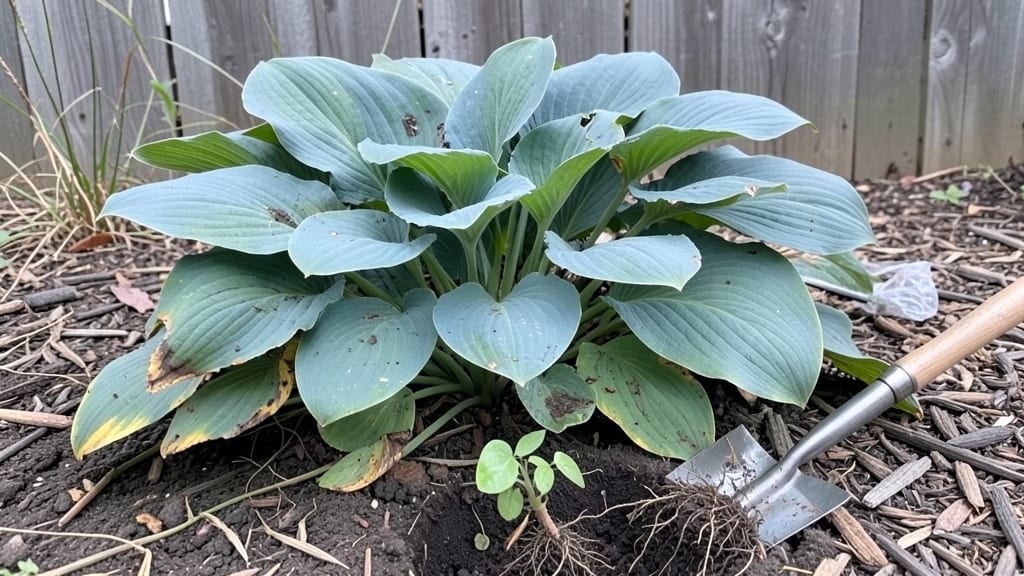
Planting perennials in fall 🌱 gives them a head start on roots before winter, so aim for 4-6 weeks before your first frost—that’s the magic window for success.
Fall is the secret weapon for gardeners—planting perennials now means stronger roots, earlier blooms, and fewer spring surprises. But timing is everything, and your hardiness zone dictates the exact window.
Cooler temperatures and moist soil create perfect conditions for perennials to establish themselves before winter. In Zone 6a, that means getting them in the ground by mid-October, but warmer zones can stretch it into November.
Below, I’ll break down the exact dates by zone, soil prep tips, and the best perennials to plant now—so you can skip the guesswork and get growing with confidence.
Fall planting timeline by USDA hardiness Zone (with exact dates)
Fall planting gives perennials a head start on root growth before winter dormancy. But the exact timing varies dramatically across USDA zones. Plant too early, and roots may grow too fast before cold; too late, and they won’t establish before frost.
Your zone determines the 6-8 week pre-frost window that’s ideal for success.
In Zone 3 (e.g., Minnesota, Maine), the window is tight—typically September 15–October 15—while Zone 10 (e.g., Southern California) can plant until December 1. Regional microclimates, like coastal areas or high deserts, can shift these dates by 2-3 weeks.
Always check your last average frost date (via Almanac’s frost calculator) and adjust for soil temperature, not air temperature.
Soil should be above 50°F (10°C) at a 6-inch depth for most perennials to root successfully. Use a soil thermometer to confirm—cool soils delay root growth. In Zone 5, this often means waiting until mid-September, while Zone 8 gardeners can start as early as August 15.
Here’s your zone-by-zone breakdown with exact dates, soil thresholds, and top perennials for each region:
Notice how Zone 3-4 plants—like coneflowers and catmint—overlap with Zone 5-6 favorites, but Zone 9-10 perennials thrive in warmer soils. This overlap means hostas and lavender work across Zones 4-8, while sedum and asters are Zone 5-10 powerhouses.
Regional tweaks matter: In high-desert areas (e.g., Colorado, Zone 5), plant 2 weeks earlier—soil warms faster. Coastal Zone 8 (e.g., Oregon) can plant until December 1, but inland Zone 8 (e.g., Texas) should stop by November 15 to avoid freeze risk.
Always check microclimate factors like slope exposure or urban heat islands, which can shift your window by 1-2 weeks.
One common mistake? Planting too early in hot zones (e.g., Zone 7-10 in August). Soil temps above 75°F (24°C) stress roots. Use shade cloth or wait until soil cools below 70°F (21°C). Conversely, in Zone 3-4, planting after October 15 risks frost damage before roots establish.
How to time fall planting for maximum root growth (pro tips)
Fall planting isn't just about dropping perennials into the ground—it's about giving them the perfect head start. The 6-8 week pre-frost rule is your golden window, but even that shifts based on your soil type and hardiness zone.
Too early, and roots may sprout before winter; too late, and they won't establish before dormancy. The key? Soil temperature, not air temperature. Aim for 50-60°F at 6 inches deep—this ensures roots grow but don't race toward dormancy.
I’ve learned the hard way that clay soils hold moisture longer, delaying planting by 1-2 weeks, while sandy soils dry out faster, demanding earlier action. Mulch isn’t just decorative—it’s a root insulator that keeps soil temps stable.
For clay, use straw mulch (3–4 inches); for sandy soils, opt for shredded leaves to retain moisture. Both methods protect young roots from frost heave and temperature swings.
- 1 The 6-8 Week Pre-Frost Rule: Plant perennials 42-56 days before your first frost date. Use your USDA zone to calculate—Zone 5 gardeners aim for mid-September, while Zone 9 can plant until early November. Pro tip: Check your local frost calendar for 3-year averages, not just last year’s dates.
- 2 Soil Temperature Tests: Bury a soil thermometer 6 inches deep—50-60°F is ideal. Clay soils stay cooler longer; sandy soils warm up faster. If temps drop below 45°F, roots slow down. Wait until mornings stay above 55°F consistently. For container perennials, use a heat mat if nights dip below 40°F.
- 3 Mulching Depth and Materials: Apply 3–4 inches of mulch after planting to insulate roots. Straw works best for clay soils (retains moisture), while shredded hardwood mulch suits sandy soils (breaks down slowly). Avoid fresh grass clippings—they mat down and suffocate roots. For tender perennials (e.g., lavender), add an extra 2 inches of mulch in Zone 6 and below.
- 4 Adjusting for Growing Seasons: Short-season zones (Zones 3-5) need earlier planting (late August). Long-season zones (Zones 8-10) can plant until December. In Zone 7, split your planting: early September for cool-season perennials (e.g., helebores) and late October for warm-season types (e.g., salvia). Use a frost clock app to track your last frost date for precise timing.
- 5 Signs Your Perennials Are Struggling: Yellowing leaves? Overwatered or poor drainage. Wilting despite moisture? Roots may be too shallow—add compost and water deeply. Stunted growth after planting? Soil temps are too cold—delay planting or use row covers. For bare-root perennials, check for mushy roots (rot) or dry, brittle roots (underwatered). Adjust your watering schedule immediately if you see these signs.
Don’t skip the soil prep—this is where most gardeners fail. Before planting, mix in 2–3 inches of compost to improve drainage and nutrient retention. For clay-heavy soil, add sand or perlite to loosen compaction; for sandy soil, incorporate peat moss or coconut coir to hold moisture.
Test your soil’s pH level—most perennials thrive in 6.0–7.0. If your soil is too acidic (below 6.0), add lime; if alkaline (above 7.5), use sulfur. A $20 soil test kit saves you from guesswork.
Watering in fall is a delicate balance. Newly planted perennials need deep, infrequent watering—aim for 1–1.5 inches per week, delivered in the morning to reduce fungal risks. Use a moisture meter to check soil depth; the top 6 inches should stay evenly moist, not soggy.
For container perennials, water when the top inch feels dry. Overwatering in fall can drown roots before they harden off for winter. I’ve seen coneflowers rot in Zone 6 because of overzealous watering—don’t make that mistake!
My fall planting checklist keeps me on track: test soil, amend with compost, water deeply, mulch heavily