
Flowers
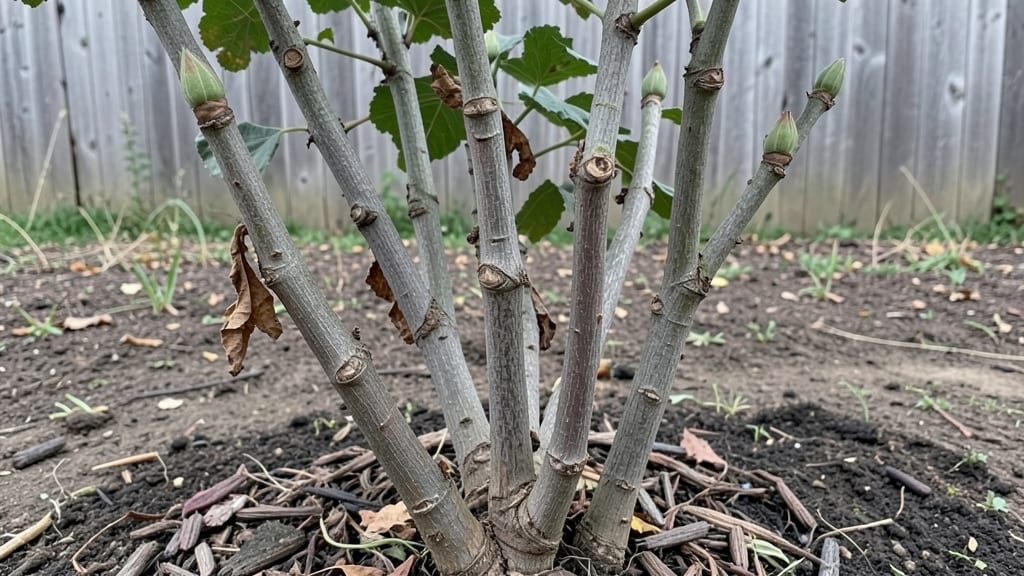
Perennial hibiscus come back in late spring to early summer after surviving winter dormancy, typically between April and June in most U.S. climates, though timing varies by hardiness zone and local frost patterns.
Your perennial hibiscus will re-emerge when soil temperatures hit 55°F and stay consistent, signaling the roots have broken dormancy. 🌱 In cooler zones like Zone 5, expect regrowth closer to June, while Zone 9 gardens often see shoots by April.
The plant's deep root system stores energy over winter, ensuring a vigorous comeback—though drought or poor soil can delay this process. I always check for swollen buds or tiny green shoots near the base as the first reliable sign.
For gardeners in frost-prone areas, protecting the base with mulch during winter can accelerate spring regrowth by 2-3 weeks. Once new growth appears, avoid heavy pruning until after the first flush of blooms—this ensures the plant redirects energy to establishing strong stems.
If your hibiscus is slow to return, a light fertilizer application in early spring can give it the nutrient boost it needs.
💡 In This Article
- Perennial Hibiscus Dormancy and Regrowth Science
- Signs Perennial Hibiscus Are Ready to Regrow
Perennial hibiscus dormancy and regrowth science
Here's what's actually happening underground during those cold months: Perennial hibiscus enter dormancy when temperatures drop below 40°F, triggering a biological shutdown in their above-ground growth. The plant's deep taproot system—often extending 3-5 feet down—stores carbohydrates and nutrients like starches in its roots, effectively creating a winter food reserve.
This root system can survive temperatures as low as -10°F in hardy varieties, though the tops will die back completely.
The key factor in regrowth timing is chilling hours—the cumulative hours below 45°F that the plant experiences. Most perennial hibiscus varieties need 800-1,200 chilling hours to break dormancy, which explains why Zone 5 gardens see later regrowth (often June) compared to Zone 9 (April).
For example, Atlanta's 1,000+ chilling hours typically trigger shoots by early May, while Los Angeles' 300-500 hours may not be enough without supplemental cold treatment. 🌡️
What most people don't realize is how the root system acts like a biological battery. During dormancy, the roots convert stored starches into sugars that fuel the first flush of new growth. This process accelerates when soil temperatures reach 55°F—the plant's internal thermometer, so to speak.
In my own garden, I've noticed that hibiscus in raised beds (warmer soil) often emerge 1-2 weeks earlier than those in ground-level beds, thanks to this temperature threshold.
There's also a fascinating hormonal shift at play: The plant reduces production of abscisic acid (which promotes dormancy) while increasing gibberellins (growth hormones) as temperatures rise. This hormonal balance is what causes those first tiny green shoots to push through the soil, often just as the last frost dates approach.
In northern climates, this timing ensures the plant avoids late-season frosts that could damage tender new growth.
The science behind this involves a delicate balance between cold exposure and warmth. Too little chilling (like in mild winters) can leave hibiscus confused, leading to weak regrowth or even failure to bloom.
Conversely, sudden warm snaps during winter can trick the plant into premature growth, only to be killed by returning frost. This is why gardeners in transitional zones sometimes use row covers or mulch blankets to moderate temperature swings. 🌱
One often-overlooked detail is how soil moisture affects this process. Even in dormancy, roots continue slow metabolic activity, and dry soil can deplete those critical starch reserves.
That's why I always water hibiscus beds in late fall—just enough to keep the soil from drying out completely, ensuring the roots stay hydrated for their spring awakening. The difference between a vigorous regrowth and a struggling one often comes down to this winter moisture management.