
Plants
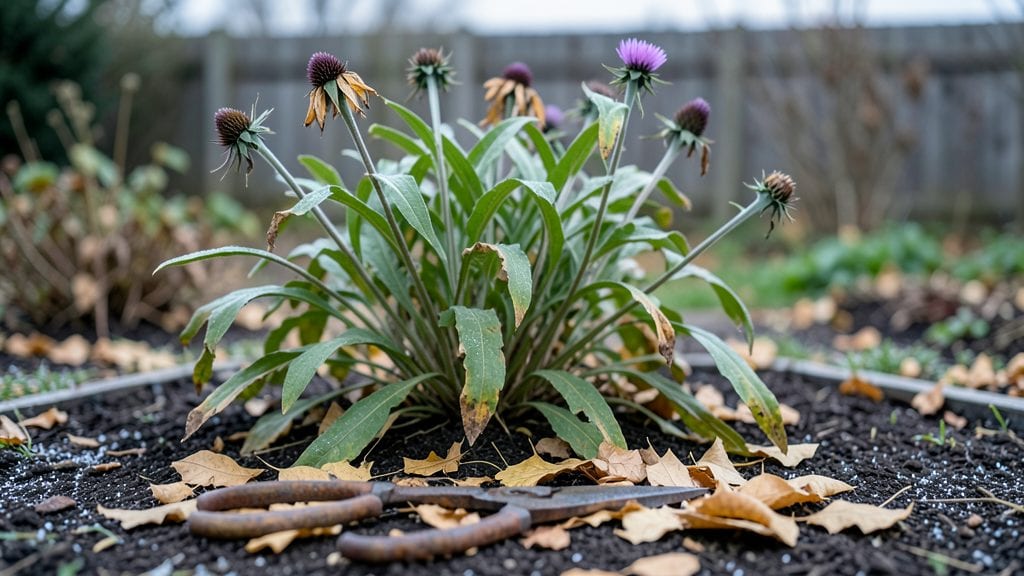
Cutting down perennials at the wrong time can stifle next year’s blooms or leave them vulnerable to pests 🌱—so knowing the perfect window is everything.
Struggling to decide when to cut back your perennials? Timing this task wrong can weaken your plants—or worse, invite pests and diseases. Get the science-backed secrets to prune for maximum regrowth and a thriving garden next season.
In USDA Zone 6a, the best window is late fall or early spring, but not all perennials follow the same rules. Herbaceous types (like coneflowers) need a clean cut after frost, while woody shrubs (like butterfly bush) wait until late winter.
Below, I’ll break down the exact timing for your climate, the 5 mistakes that sabotage regrowth, and how to prep your plants for a stronger comeback.
The best time to cut down perennials for healthy regrowth
Deciding when to cut down your perennials can feel like a guessing game—but timing matters more than you think. Cut too early, and you risk exposing tender roots to cold temperatures or pests. Wait too long, and you might smother new growth or attract disease over winter.
The right moment depends on your climate zone, the type of perennial, and whether it's deciduous or evergreen. Let’s break it down so you can prune with confidence.
Most gardeners follow one of two approaches: cutting back in late fall or waiting until early spring. Each has pros and cons, but the best choice hinges on your local frost dates and the growth habit of your plants.
For example, herbaceous perennials like coneflowers or black-eyed Susans thrive when pruned in early spring, while woody perennials such as lavender or Russian sage often need fall cleanup. Let’s explore the science behind these timing decisions.
| Plant Type | Best Time to Cut | Why This Timing | Climate Notes |
|---|---|---|---|
| Herbaceous Perennials (e.g., hostas, daylilies) | Early spring (4-6 weeks before last frost) | Allows new growth to emerge without smothering. | Zones 5-8: March-April; Zones 9-10: January-February. |
| Woody Perennials (e.g., lavender, shrub roses) | Late fall (after first frost, before hard freeze) | Prevents fungal growth over winter and reduces pest hiding spots. | Zones 3-6: October-November; Zones 7-10: December-January. |
| Evergreen Perennials (e.g., heucheras, ornamental grasses) | Early spring (after last frost) | Preserves winter interest and avoids damaging tender new shoots. | All zones: Follow local frost-free date. |
| Seed-Heads (e.g., coneflowers, black-eyed Susans) | Late winter or early spring (leave until birds finish) | Provides winter food for birds and wildlife. | All zones: January-March (varies by bird activity). |
| Dormant Grasses (e.g., switchgrass, maiden grass) | Late winter (before new growth starts) | Encourages fresh, vibrant regrowth in spring. | Zones 4-9: February-March. |
If you’re in a warmer climate (zones 9-11), the rules shift slightly. Many perennials here can be pruned in late winter (January-February) to avoid the heat of summer. For example, salvias or yarrow in Southern California often do best with a light trim in February rather than waiting for spring.
Always check your last frost date—this is your golden rule for timing.
One common mistake is cutting back perennials in fall when they’re still green. This can leave stems vulnerable to rot or fungal diseases before the ground freezes. Instead, wait until the foliage is brown and crispy (for deciduous types) or trim just above the crown in spring.
For evergreens, a light shaping in early spring keeps them looking neat without stressing the plant.
Your local climate plays a huge role. In cold climates (zones 3-5), cutting back in late fall helps protect roots from extreme cold. In mild winters (zones 7-10), you might delay until early spring to avoid encouraging pest infestations.
For instance, lavender in zone 8 can handle a fall trim, but in zone 4, it’s safer to wait until spring.
Pro tip: If you’re unsure, observe your plants. Look for dormant stems (no green leaves) and crispy foliage—these are your cues. For herbaceous perennials, cut back to 2-3 inches above the ground in early spring.
For woody perennials, trim just above a bud or branch collar in late fall. This simple rule keeps your plants healthy and encourages vigorous regrowth next season.
Don’t forget about disease prevention. Always use sterilized pruners and clean up debris promptly. Leaving old foliage can harbor fungi or insects that will attack your plants in spring.
For ornamental grasses, bundle and store seed heads indoors if you’re eager for a tidy look—just don’t cut them until late winter.
Finally, consider seasonal interest. Some perennials, like sedum or Russian sage, offer stunning winter structure. If you love their textural appeal, leave them until spring. But if pests or diseases are a concern, a late-fall trim can be a game-changer
5 Critical mistakes that kill perennial growth when pruning
Pruning perennials seems simple, but small mistakes can starve your plants of energy or invite diseases 🌿. Many gardeners accidentally cut at the wrong time, leaving plants vulnerable to winter stress or stunted growth.
I’ve seen herbaceous perennials like black-eyed Susans struggle when pruned too early, and woody shrubs like butterfly bush suffer from improper cuts. Let’s fix these common errors before your garden pays the price.
One of the biggest missteps is pruning in mid-winter, when plants are fully dormant. This forces them to heal in freezing temperatures, slowing spring regrowth. Another trap? Cutting into old wood or last year’s growth—this removes the plant’s energy reserves stored in stems.
Even well-meaning gardeners overlook these details, thinking "a cut is a cut." But timing and technique make all the difference.
⚠️
Cutting perennials before the first frost removes protective foliage, exposing tender stems to cold damage. Conversely, pruning after new growth appears in spring delays the plant’s energy production. For USDA Zone 6a, aim for late fall (October-November) or early spring (March-April), 4-6 weeks before last frost.
✅ DO: Wait until dead foliage is crispy (herbaceous perennials) or after buds swell (woody perennials).
❌ DON’T: Prune when soil is frozen or during active growth phases.
Mistake #1: Ignoring plant signals. Some perennials, like hostas or heucheras, benefit from leaving dead foliage over winter to insulate roots. Others, like daylilies, need a clean cut to prevent fungal spores from lingering.
Always check if your plant is herbaceous (dies back to ground level) or semi-evergreen (retains some leaves). A quick Google search with your plant’s name + "pruning needs" saves guesswork.
Mistake #2: Cutting too aggressively. Over-pruning removes next year’s flower buds hidden in last year’s stems. For example, peony stems should never be cut below the crown—this kills the plant.
Use sharp, clean shears and make cuts at a 45-degree angle just above a bud or node. This encourages upward growth and prevents water from pooling on cuts, which invites rot.
Mistake #3: Skipping cleanup. Leaving pruned debris on the soil traps moisture, creating a breeding ground for slugs and fungal diseases. Always rake up clippings and compost them (unless diseased).
For woody perennials, mulch around the base with 2-3 inches of organic mulch to protect roots. This simple step reduces winter stress and boosts spring vitality.
Mistake #4: Pruning in wet weather. Damp conditions spread diseases like powdery mildew or botrytis through open cuts. Wait for a dry, sunny day to prune, and sterilize your shears with rubbing alcohol between cuts.
If you must prune after rain, do it in the morning so foliage dries quickly. This small habit keeps your perennials healthier and more resilient.
Mistake #5: Using dull tools. Ragged cuts tear plant tissue, slowing healing and inviting pests. Invest in bypass pruners for stems under ½ inch thick and loppers for thicker branches.
Sharpen blades annually or after heavy use. A well-maintained toolset ensures clean cuts that seal faster, reducing stress on your perennials.