
Fertilization
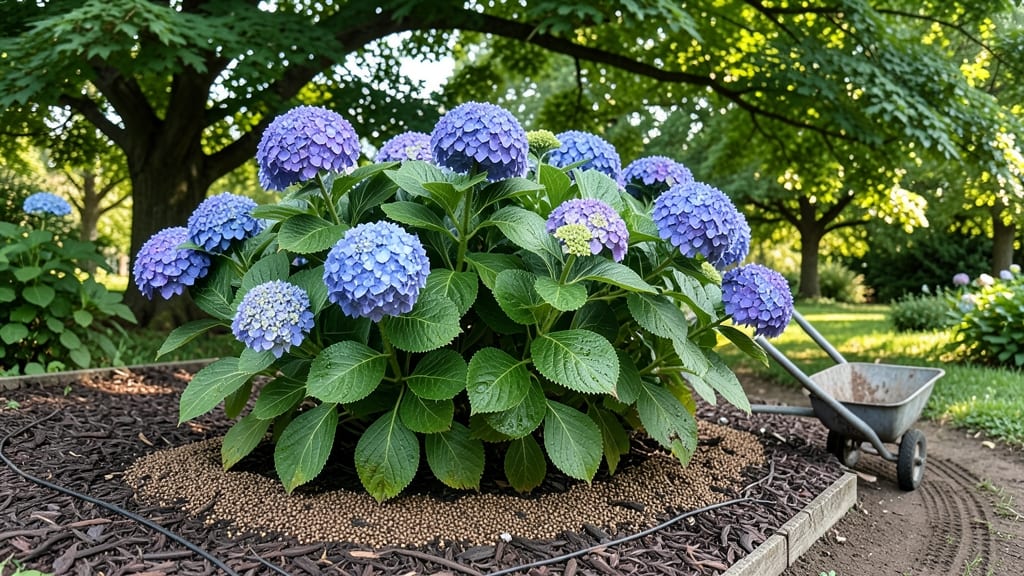
To fertilize perennials and shrubs, time it in early spring before new growth emerges and again in late summer or early fall for slow-release nutrients. Your specific plant types and local climate zones will determine the best schedule for maximum growth.
Timing matters because perennials and shrubs grow in distinct seasonal phases—spring kickstarts their energy, while late summer helps them store nutrients for winter. 🌱 For example, peonies need feeding just as buds form, while hydrangeas benefit from a fall boost to develop next year's blooms.
I've learned that cooler climates (USDA zones 5-7) often need an extra spring application, while warmer zones (8-10) can stretch summer feeding into early fall without stressing plants.
Pro tip: Always test your soil first—many gardeners overlook this step, assuming their plants need extra nutrients when the real issue might be pH imbalance. A simple soil test kit ($10-15) reveals whether your plants are starving for nitrogen, phosphorus, or potassium before you even pick up fertilizer.
💡 In This Article
- Optimal Fertilizing Seasons for Perennials vs Shrubs
- Fertilizer Type and Application Tips by Plant Stage
Optimal fertilizing seasons for perennials vs shrubs
Here's what's actually happening beneath the soil: Perennials and shrubs follow distinct biological rhythms tied to temperature and daylight. In early spring, when soil temperatures reach 50-55°F, roots become metabolically active—this is when they crave nitrogen to fuel new leaf and stem growth.
The key factor is photosynthesis timing: Plants need nutrients before they can convert sunlight into energy. For example, peonies begin bud formation when daylength increases, so feeding them with 10-10-10 fertilizer (equal NPK) in late winter ensures vibrant blooms by May.
Summer presents a different challenge. Most perennials enter a semi-dormant state during heatwaves, particularly in zones 5-7 where temperatures exceed 85°F. Hydrangeas, however, continue blooming through summer—this is why they thrive with a low-nitrogen, high-phosphorus feed (like 5-10-5) in July.
The science here involves root pressure regulation: Too much nitrogen now causes soft, sappy growth vulnerable to pests. In contrast, southern climates (zones 8-10) can stretch summer feeding into September when nights stay warm.
What most people don't realize is how fall fertilization works as winter preparation. When days shorten and temperatures drop below 65°F, plants focus on storing carbohydrates in roots.
A slow-release fertilizer applied in early October gives shrubs like boxwoods time to absorb nutrients gradually, strengthening cell walls against freeze damage. In colder zones (5-6), this becomes critical—plants that miss fall feeding often show weak growth the following spring because their energy reserves were depleted.
Climate zones create dramatic differences in schedules. In USDA zone 5, where winters average -10°F, gardeners often split spring feeding into two applications: one at soil thaw (March-April) and another when forsythia blooms (mid-April).
Zone 10 gardeners, however, can fertilize hydrangeas every 6-8 weeks year-round since their growing season never truly stops. The rule of thumb is to match your schedule to the last frost date—feed perennials 4-6 weeks before their natural bloom time.
Consider these seasonal growth patterns when planning: Early bloomers (like clematis) need spring feeding to support flower buds, while late-season shrubs (like camellias) benefit from fall applications to develop next year's buds.
The texture of new growth—thick and glossy versus thin and leggy—often reveals whether you've timed feeding correctly. 🌿 For instance, over-fertilizing in fall can lead to tender shoots that freeze easily, while proper timing results in plants that look plump and resilient by winter.
One advanced technique involves leaf analysis: Testing foliage in late summer reveals nutrient deficiencies before they affect next year's growth. For example, yellowing between leaf veins often signals magnesium deficiency—applying Epsom salt (1 tbsp per gallon) in September can correct this before dormancy sets in.
This method works particularly well for ornamental grasses and evergreens that show subtle but critical signs of stress.