
Companion Plants
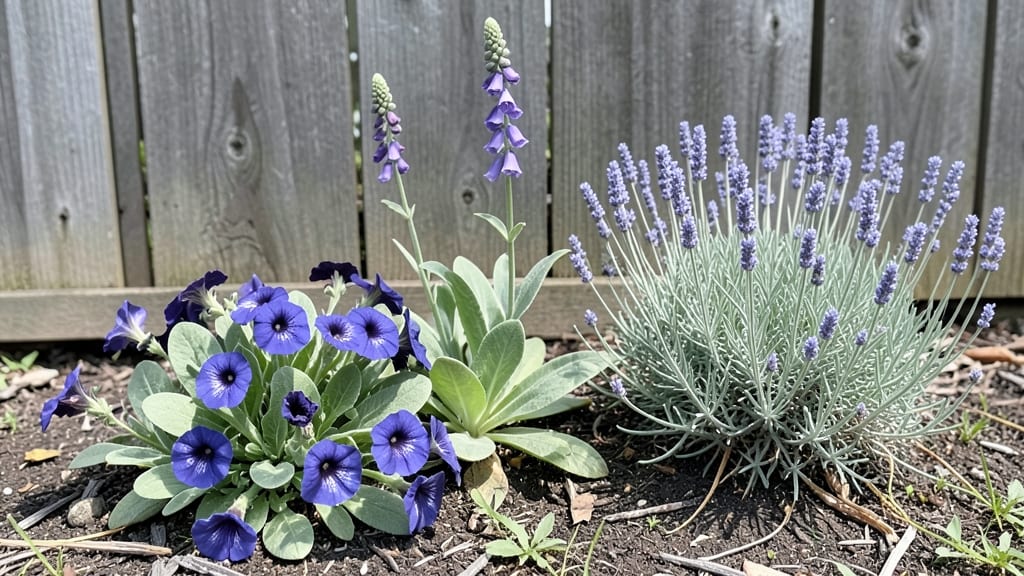
The difference between annual, biennial, and perennial plants lies in their lifespans: annuals complete their life cycle in one growing season, biennials take two years to flower and produce seeds, while perennials regrow each year from the same root system. These distinctions directly impact planting strategies and garden planning.
Understanding these plant categories helps you plan your garden like a pro. Annuals like marigolds or zinnias burst into bloom all season but must be replanted yearly, making them perfect for quick color or succession planting.
Biennials such as foxglove or hollyhock store energy in their first year to flower dramatically in their second—ideal if you want a delayed but stunning display.
Perennials like lavender or coneflowers, however, return year after year, reducing replanting work but often requiring more upfront care to establish strong root systems. 🌱
This lifespan difference isn't just about convenience—it shapes how you design your garden layout. For example, pairing fast-growing annuals with slow-starting perennials ensures continuous color, while biennials can bridge gaps between seasons.
I've found that mixing these types creates a dynamic landscape that requires less maintenance over time while keeping visual interest high.
💡 In This Article
- How Plant Lifespans Affect Growth Cycles
- Gardening Strategies for Each Plant Type
How plant lifespans affect growth cycles
The key difference between these plant types lies in their biological strategies for survival and reproduction. Annuals like sunflowers or basil prioritize rapid growth and seed production within a single season, often reaching maturity in just 60-90 days under ideal conditions.
Their seeds contain all the energy needed for germination, and they focus resources on above-ground growth to maximize photosynthesis and flower production before winter kills them. This "live fast, die young" approach minimizes energy spent on root systems, as their primary goal is to reproduce before the first frost.
Biennials take a more calculated approach, dividing their energy between root development and flowering over two years. During their first year, plants like carrots or onions focus on building a robust taproot system that can store carbohydrates and nutrients.
This root stores up to 30-50% of the plant's energy reserves, which fuels dramatic flowering and seed production in year two.
The trigger for this shift is often cold exposure—many biennials require a period of 4-8 weeks below 50°F to break dormancy and initiate flowering, a process called vernalization.
Perennials represent the opposite extreme, investing heavily in underground structures like rhizomes or tubers that can survive harsh conditions. Plants like asparagus or peonies develop deep, fibrous root systems that can extend 3-5 feet underground, allowing them to access water and nutrients year-round.
Their above-ground growth is often minimal in early years as they establish these roots, but once established, they can live for decades—some perennials like creosote bushes can survive over 100 years. The trade-off is slower initial growth compared to annuals.
Light exposure plays a crucial role in these growth patterns. Annuals often rely on short-day plants that flower when daylight shortens, ensuring seed production coincides with optimal growing conditions.
Biennials typically use long-day plants that require 14-16 hours of daylight to trigger flowering, explaining why they often bloom in their second year when summer days are longest. Perennials frequently employ day-neutral strategies, flowering based on plant age rather than daylight changes, which explains their consistent yearly blooms.
Consider the energy storage mechanisms: annual seeds contain 20-30% oil content for quick germination, while biennial roots store complex carbohydrates like inulin (up to 75% of dry weight in chicory roots).
Perennial tubers like potatoes can store 15-20% starch by weight, providing energy for regrowth each spring. These differences explain why annuals need frequent replanting while perennials establish permanent garden beds.
The environmental triggers extend beyond light and temperature. Some annuals like lettuce use thermoperiodism, requiring specific temperature fluctuations to trigger bolting (premature flowering). Biennials often detect soil moisture changes that signal the transition from vegetative to reproductive growth.
Perennials frequently use hormonal cues tied to their age—only flowering after reaching a certain size or maturity level, which is why young perennial plants often focus solely on leaf production for several years.