
Landscaping
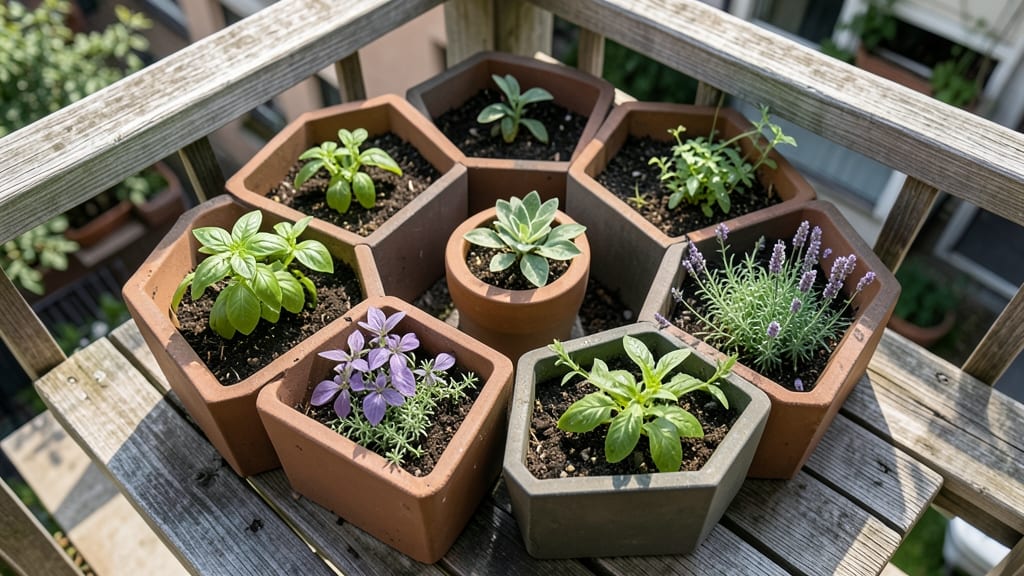
Small spaces don’t mean small gardens. These 10 circle garden bed ideas transform tight yards into lush, functional growing areas—whether you’re urban gardening or maximizing a suburban plot. Perfect for herbs, flowers, or vegetables, each design optimizes space while adding visual appeal.
Vertical Circle Raised Bed
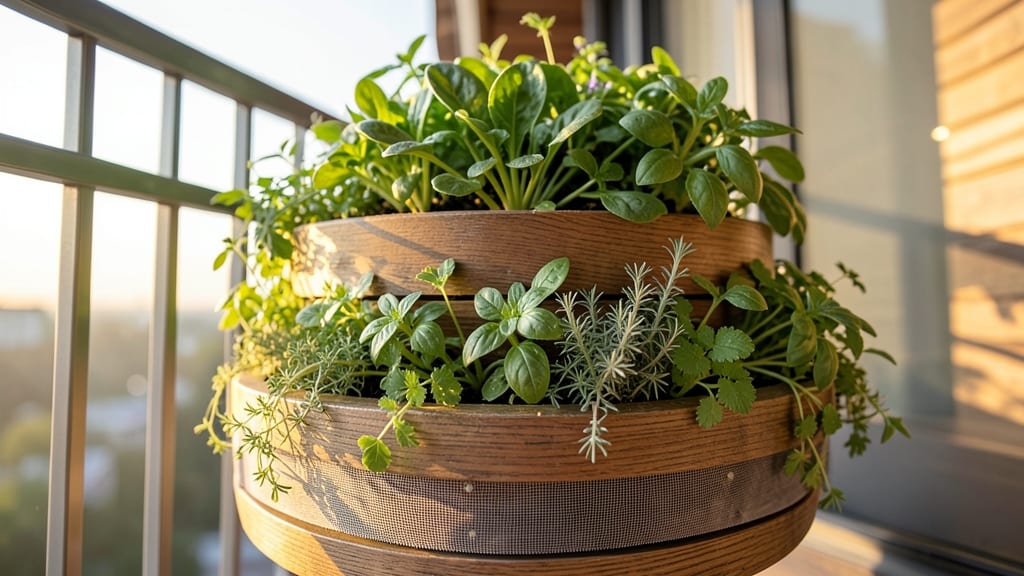
Turn your balcony or patio into a thriving vertical garden with a vertical circle raised bed—the perfect solution for small spaces craving big harvests. This tiered design maximizes growing area without sacrificing square footage, making it ideal for leafy greens like baby spinach and compact herbs such as basil or thyme.
The circular shape ensures even sunlight exposure across all tiers, while the raised structure keeps roots warm and soil well-drained. Build yours with cedar planks and metal brackets for durability, or opt for lightweight composite materials if weight is a concern. Plant taller herbs like dill in the outer tier and quicker-growing greens in the inner sections for a layered harvest.
This design is a game-changer for urban gardeners and renters—no permanent installation required! Just add a drip irrigation system to the top tier for effortless watering. 🌱
Sunken Circle Garden Bed
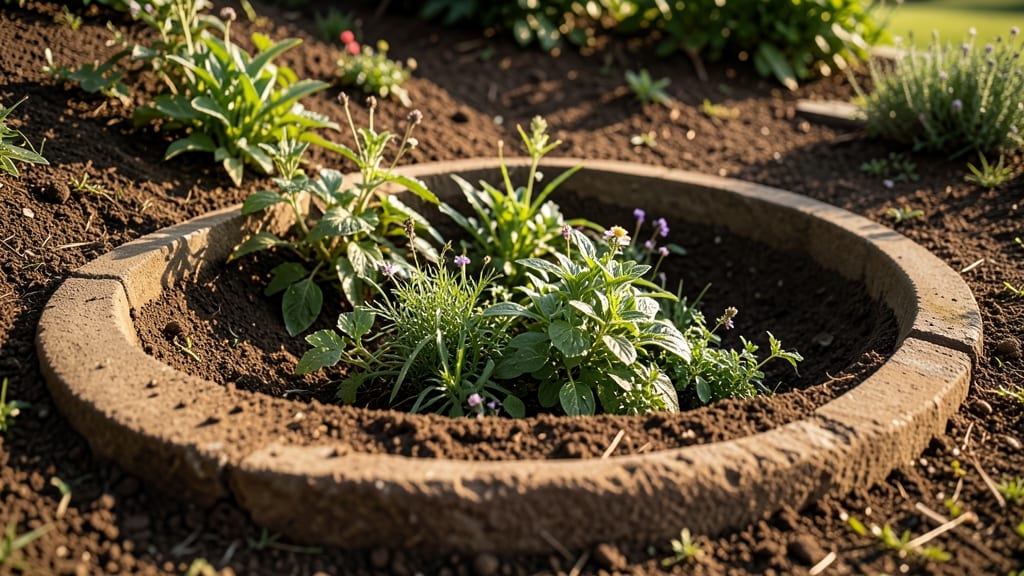
Tired of battling erosion and sore knees while gardening on a slope? A sunken circle garden bed transforms challenging terrain into a low-maintenance oasis that retains moisture and keeps your back happy. This design sits below ground level, creating a natural basin that reduces water runoff while shielding plants from harsh winds.
Line the edges with natural stone or brick to define the shape and prevent soil erosion. Fill with drought-tolerant succulents like sedum or hardy ground covers such as creeping thyme, which thrive in well-drained conditions. The sunken design also means less bending—perfect for gardeners with mobility concerns or those who prefer a more relaxed gardening experience.
This approach is ideal for sloped yards or areas prone to dry spells, offering both practicality and beauty. It’s a win for cottage garden lovers and busy homeowners alike. 💚
Keyhole Circle Garden Bed
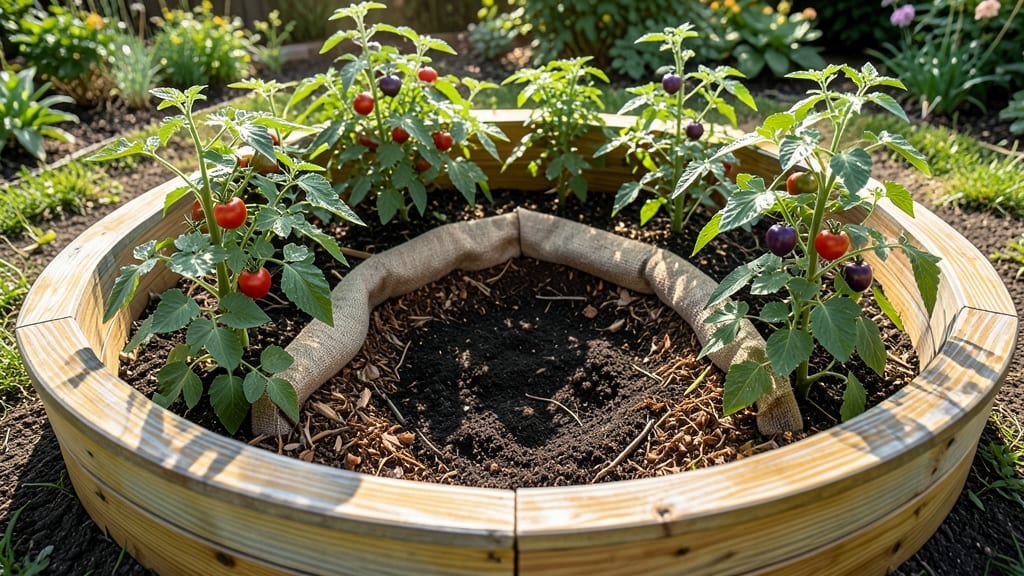
If you’ve ever struggled to keep your tomatoes or peppers hydrated while away on vacation, the keyhole circle garden bed is your answer. This ingenious design combines a central compost hole with a circular planting area, creating a self-watering system that nourishes your plants while you’re gone—no extra watering cans required!
The compost hole at the center acts as a moisture reservoir, slowly releasing water and nutrients to thirsty plants like tomatoes, peppers, and basil through capillary action. Simply add kitchen scraps or aged compost to the hole, and your plants will thrive with minimal effort. The circular shape also makes it easy to access all sides for planting, harvesting, or maintenance, while the open center reduces soil compaction. Perfect for beginners or frequent travelers, this design keeps your garden lush and productive without constant attention. 💚
Spiral Herb Circle Garden
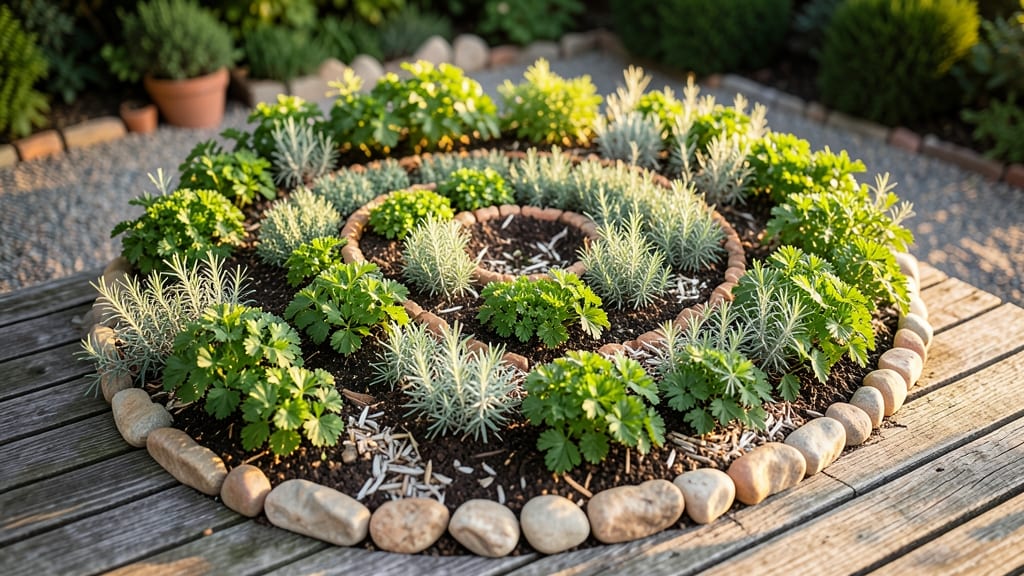
Transform your herb collection into a fragrant, functional masterpiece with a spiral herb circle garden. This timeless design isn’t just beautiful—it’s a clever way to grow temperature-sensitive herbs like parsley and rosemary side by side while protecting them from harsh conditions.
Start by creating concentric rings (typically 3-5) with the hottest plants—like thyme or oregano—at the center, where they’ll receive full sun. As you move outward, place cooler-loving herbs like cilantro or chives in the outer rings, where they’ll benefit from slightly shaded conditions. The spiral shape naturally funnels rainwater toward the center, reducing irrigation needs while keeping roots hydrated. Use brick, stone, or timber for edging to define the rings and add structure.
This design is perfect for urban gardeners with limited space or anyone who wants to grow both culinary and medicinal herbs without sacrificing flavor or potency. Plus, the layered look adds depth to small gardens while keeping maintenance simple. 🌿
Mosaic Circle Flower Bed
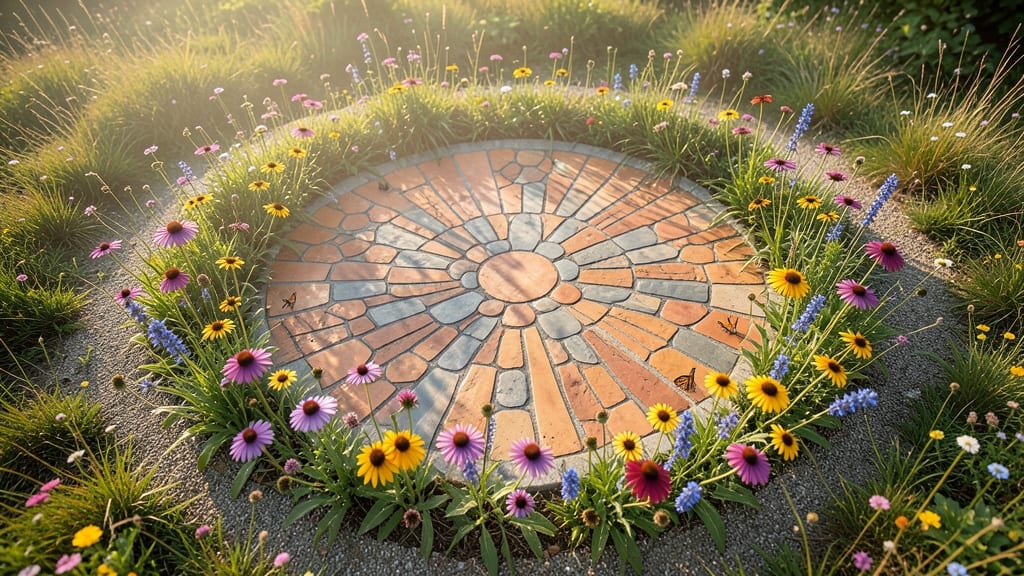
Turn your garden into a living work of art with a mosaic circle flower bed that doubles as a pollinator paradise. This design blends geometric patterns—like terracotta tiles or stone mosaics—with native wildflowers to create a bold, low-maintenance focal point that thrives with minimal effort.
Start by laying your mosaic base (tiles, bricks, or pebbles) in a circular pattern, then fill the gaps with drought-tolerant wildflowers like coneflowers, black-eyed Susans, or bee balm. These plants attract bees, butterflies, and hummingbirds while requiring little water once established. For extra impact, add contrasting textures like ornamental grasses or lavender along the edges.
Perfect for gardeners who love artistic flair but hate high-maintenance beds, this design works in any space—from urban courtyards to rural backyards. Plus, the mosaic elements add longevity, resisting weeds and erosion better than soil alone. 🌟
Pocket Circle Vegetable Garden
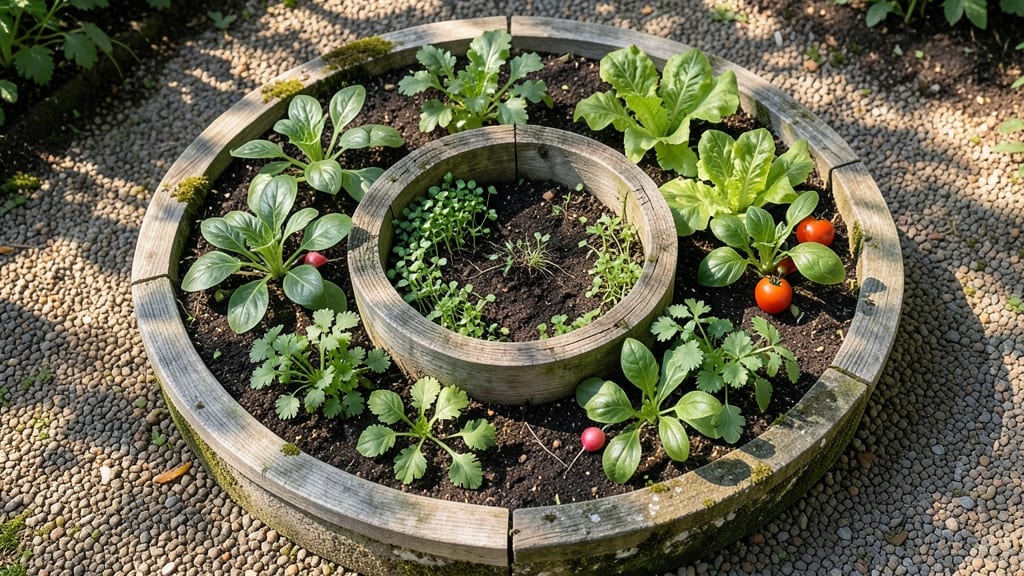
Tired of sacrificing space to grow just one type of vegetable? A pocket circle vegetable garden turns limited square footage into a high-yield, multi-crop powerhouse—perfect for busy gardeners who want fresh salads, crisp radishes, and tender microgreens without the clutter.
Divide your circular bed into 4-6 compartments using removable wooden or metal dividers, each tailored to a different crop’s needs. Plant fast-growing radishes in one section, leafy greens like spinach or arugula in another, and green onions or microgreens in the smallest pockets. This modular approach lets you rotate crops seasonally or swap out plants based on what you’re craving.
Urban gardeners and small-space enthusiasts will love how this design maximizes harvests while keeping weeds contained. Plus, the neat compartments make it easy to monitor soil moisture and pests—no more guessing which plant needs water first! 🌱
Moon Garden Circle Bed
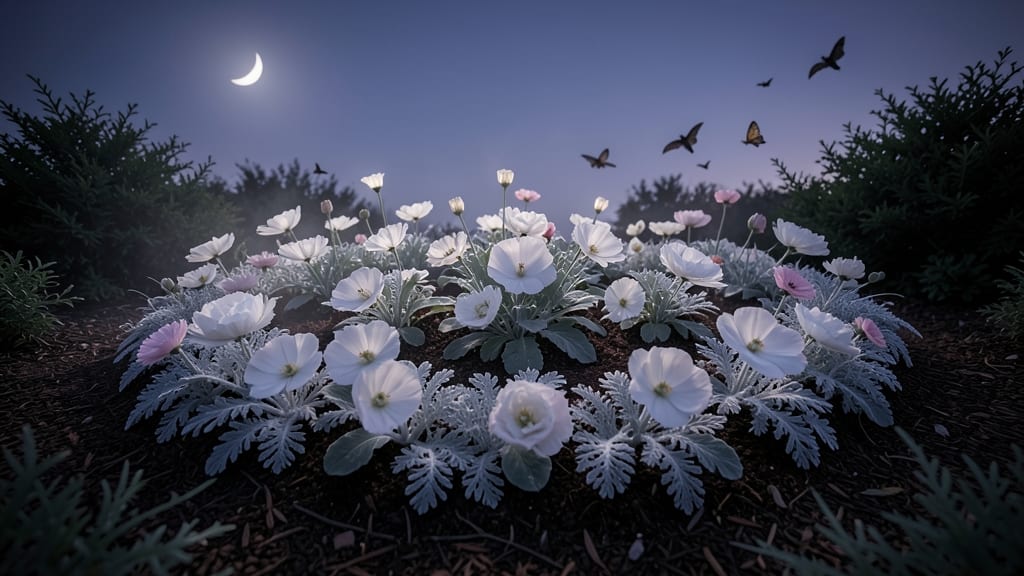
Transform your garden into a magical nighttime haven with a moon garden circle bed, where pale blooms and silver foliage create a luminous spectacle after dark. This enchanting design isn’t just beautiful—it’s a lifeline for nocturnal pollinators like moths and bats, who rely on the soft glow of evening-blooming flowers to navigate and feed.
Plant night-blooming jasmine and evening primrose at the center for maximum fragrance and visibility, then surround them with white petunias and moonflowers for a cascading effect. Use light-colored gravel or river stones around the edges to reflect moonlight and enhance the ethereal glow. For extra drama, add silver foliage plants like lamb’s ear or dusty miller to contrast with the blooms.
This design is perfect for gardeners who love low-light gardening or want to extend their garden’s beauty into the night. It’s especially rewarding for those in urban areas where artificial lights can disrupt natural ecosystems—your moon garden will become a sanctuary for nighttime wildlife. ✨
Tiered Circle Succulent Bed
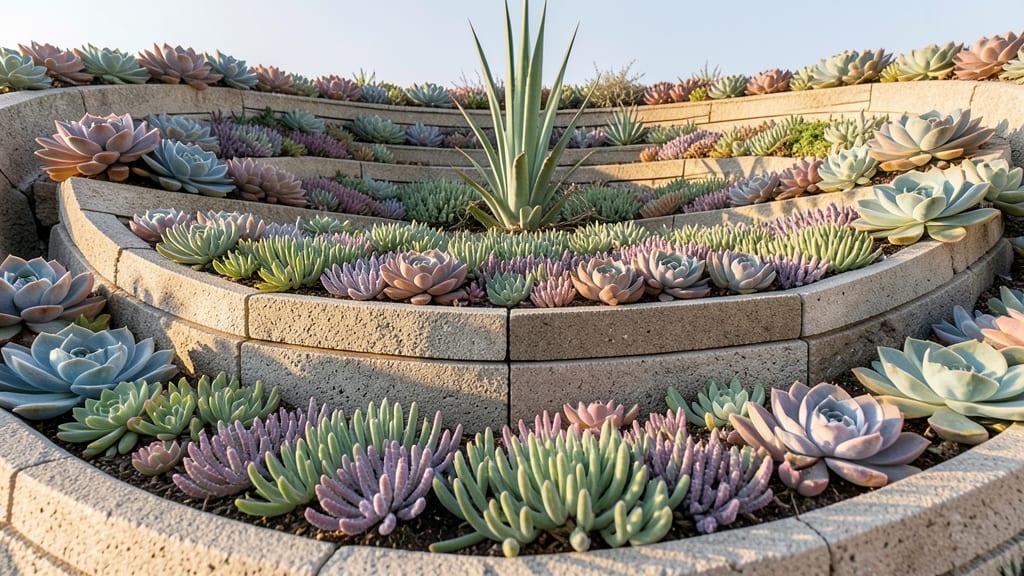
Turn your drought-prone yard into a stunning focal point with a tiered circle succulent bed—where architecture meets nature. This design stacks succulents like echeveria and sedum in layered rings, creating visual drama while requiring almost no water once established.
Build your tiers using stacked concrete planters, stone rings, or even repurposed wooden barrels. Place taller varieties like haworthia at the center and trailing sedum along the edges for softness. The key? Well-draining soil—mix equal parts cactus mix and coarse sand to prevent rot. Water only when the top inch feels dry, and watch your bed thrive with almost no effort.
Perfect for urban gardeners or anyone craving a low-maintenance yet striking design, this bed adds modern flair while supporting pollinators. 💚
Pondside Circle Garden Bed
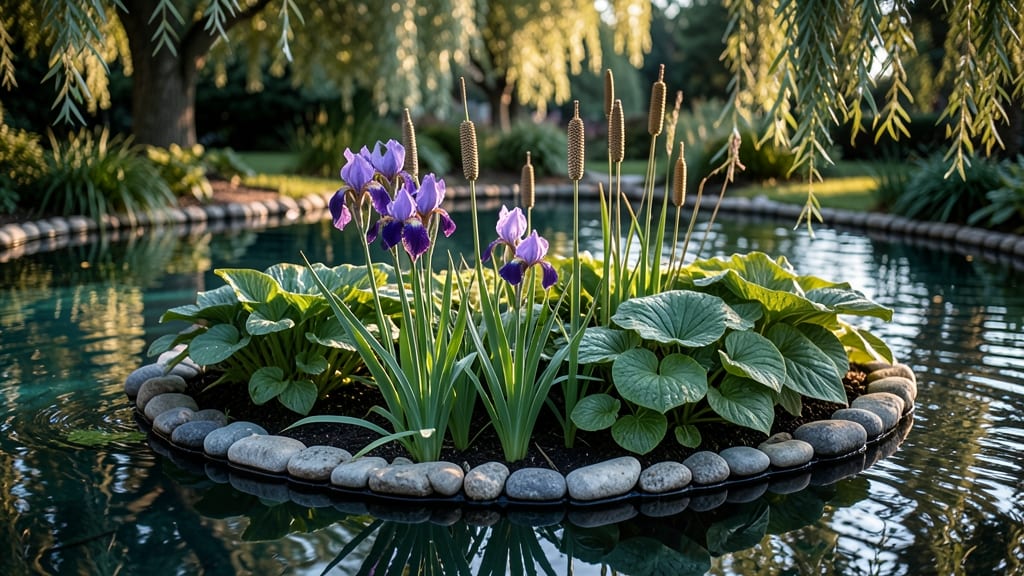
Turn your pond into a natural oasis with a pondside circle garden bed, where moisture-loving plants like irises, cattails, and hostas create a lush transition between water and land. This design eliminates the need for extra irrigation while supporting thriving aquatic-adjacent plants that would otherwise struggle in drier soil.
Build your bed with partially submerged edges (1-2 inches deep) to mimic the natural wetland conditions these plants adore. Use a mix of peat moss, compost, and sand for well-draining yet moisture-retentive soil. Place taller cattails and irises toward the center, with hostas and ferns cascading toward the water’s edge for a layered, organic look.
This design is perfect for gardeners who want to extend their pond’s ecosystem while adding visual interest. The reflective water will make your blooms appear even more dramatic, creating a serene focal point in your landscape. 💚
Modular Circle Garden Planters

Tired of permanent garden layouts that feel restrictive? Modular circle garden planters let you swap out sections like puzzle pieces, so you can refresh your design with the seasons—no digging required. These interlocking units are perfect for renters, small balconies, or anyone who loves to experiment with plant combinations without long-term commitment.
Made from durable materials like recycled plastic or cedar, these planters often include built-in drainage and adjustable heights to accommodate different plant types. Arrange them in a single circle for a cohesive look, or create asymmetrical patterns for a modern twist. Swap out sections to introduce new plants or rotate crops, keeping your garden dynamic and pest-resistant. They’re also lightweight enough to move indoors during harsh winters.
This system is ideal for urban gardeners or anyone with limited space who wants flexibility. Whether you’re growing herbs in spring, flowers in summer, or microgreens in winter, modular planters adapt to your needs without the hassle of rebuilding. 🌻