
Tools
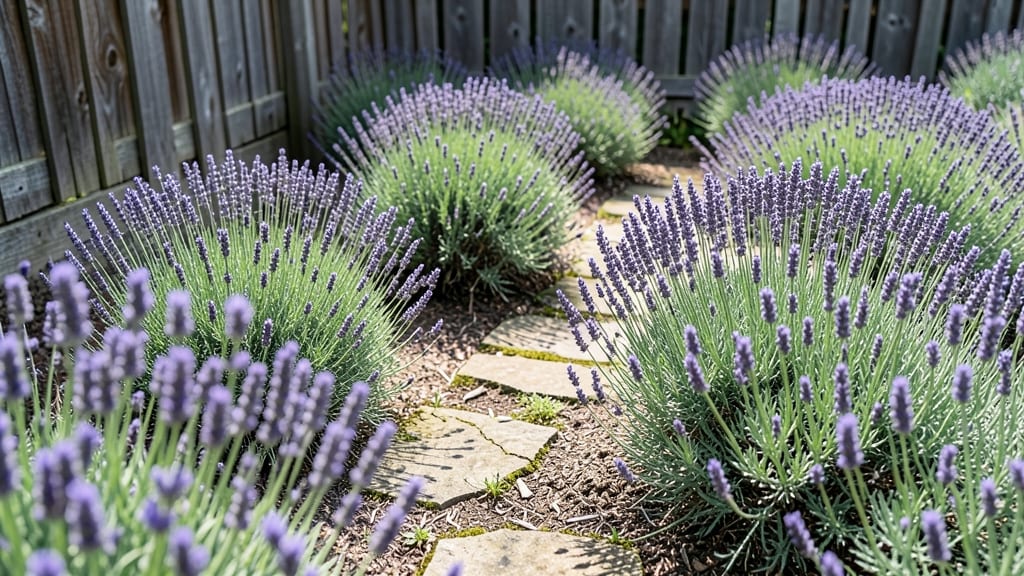
Transform your garden into a fragrant pest-repelling sanctuary with these 10 lavender garden bed ideas. From pollinator-friendly borders to low-maintenance designs, each layout maximizes beauty and natural pest control while fitting diverse spaces and climates.
Classic English Cottage Lavender Border
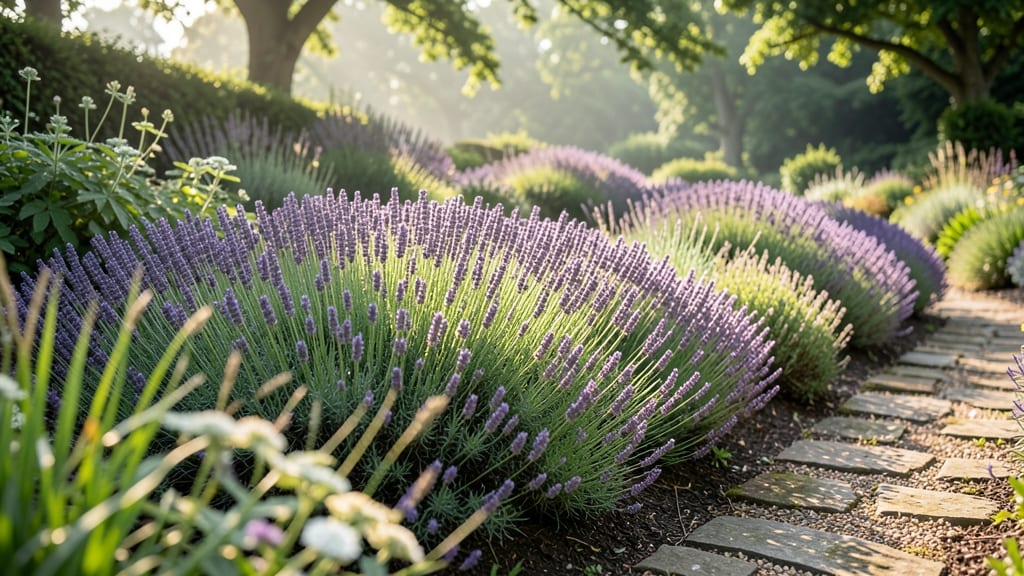
Step into a storybook garden with a classic English cottage lavender border that thrives in partial shade—where English lavender varieties like 'Munstead' and 'Hidcote' create a fragrant, mosquito-repelling haven. This timeless design softens pathways, defines borders, and fills your garden with a soothing, woody scent.
Plant lavender in well-draining soil with a mix of sand or gravel to prevent root rot, spacing them 18-24 inches apart for a lush, continuous look. Prune lightly after flowering to maintain shape and encourage bushier growth. The secret to success? Avoid overwatering—these drought-tolerant plants prefer dry conditions and will reward you with year-round fragrance.
Perfect for cottage garden lovers and those seeking natural pest control, this border adds charm while keeping mosquitoes at bay. The silvery foliage and purple blooms create a romantic, inviting atmosphere that’s as functional as it is beautiful. 💚
Pollinator-Friendly Lavender Meadow Mix
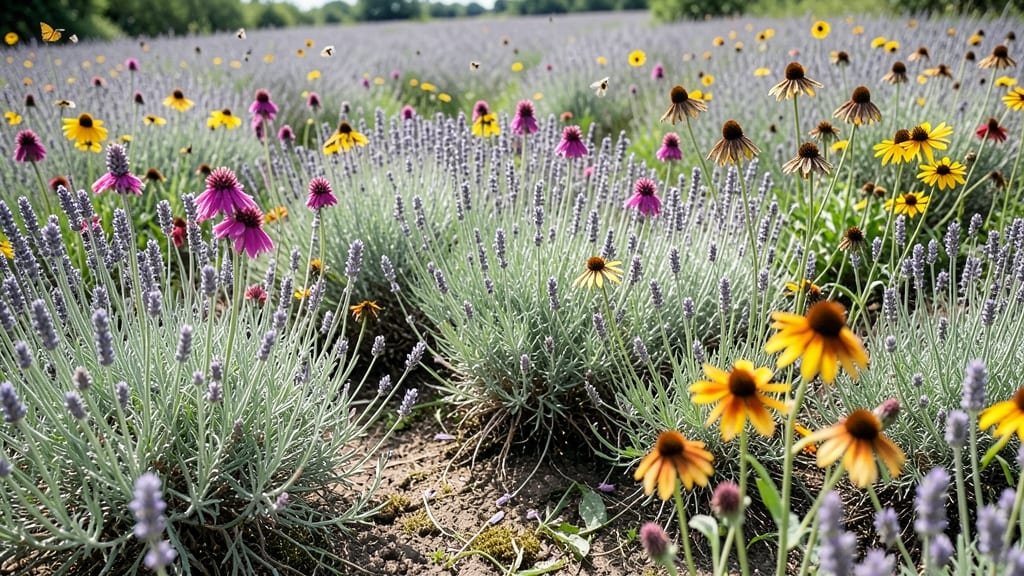
Skip the manicured borders—this wildflower-inspired lavender meadow turns your garden into a buzzing, bee-friendly oasis while keeping pests at bay. By blending English lavender with native wildflowers like bee balm, coneflowers, and black-eyed Susans, you create a low-maintenance tapestry that thrives on minimal intervention.
Plant lavender in loose clusters surrounded by wildflowers to mimic a natural meadow, ensuring 6 hours of sun and well-draining soil. The mix deters pests like aphids and mosquitoes while providing year-round nectar for pollinators. For extra impact, add drought-tolerant grasses like fountain grass for texture and movement.
Perfect for eco-conscious gardeners, this design requires zero pruning beyond occasional deadheading and flourishes in USDA zones 5-9. Watch your garden transform into a thriving ecosystem where every bloom supports local wildlife. 🌻
Modern Geometric Lavender Pattern
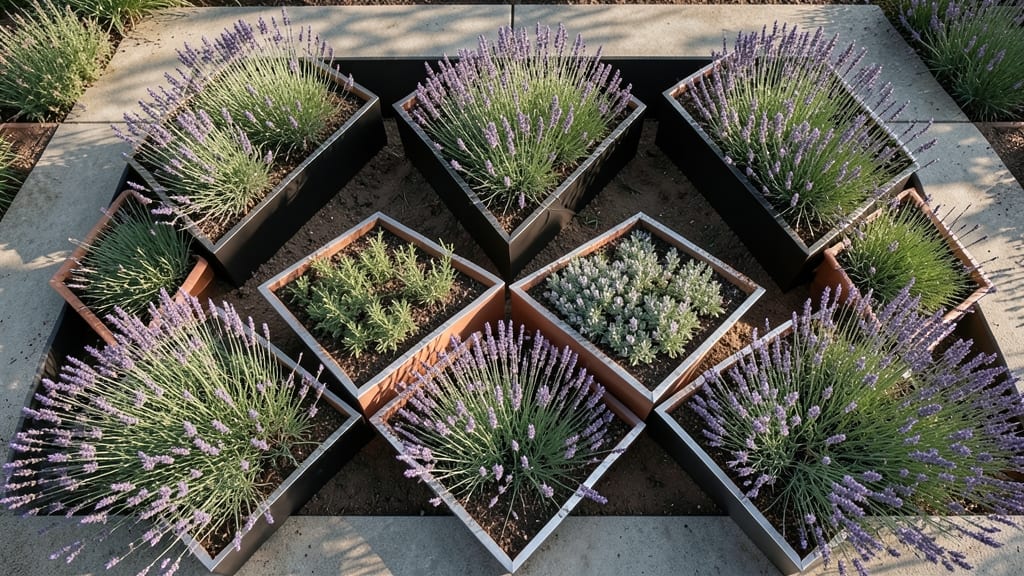
Tired of traditional garden beds? A modern geometric lavender pattern turns your urban space into a sleek, fragrant statement piece. This design uses precise angles and clean lines—think squares, triangles, or zigzags—to create a striking visual contrast while keeping the pest-repelling benefits of lavender intact.
Start by sketching your layout on graph paper, then mark planting spots with stakes. Use dwarf varieties like 'Hidcote' or 'Munstead' for compact shapes, and alternate colors (purple, silver, or white) for depth. Mulch with gravel to define edges and reduce weeds, and pair with low-growing oregano to fill gaps while adding another layer of pest deterrence.
Perfect for small urban yards or rooftop gardens, this design requires minimal upkeep but delivers maximum impact. The structured look also makes it ideal for photographers or those who love modern aesthetics. 💡
Herb Companion Lavender Garden
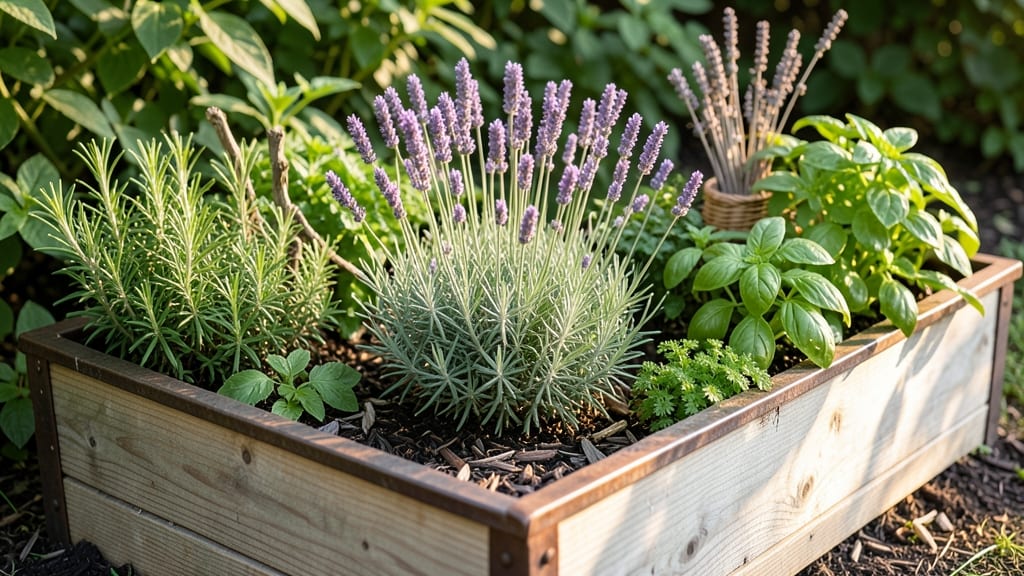
Turn your kitchen garden into a dual-purpose powerhouse with a herb companion lavender garden—where fragrant lavender acts as nature’s pest control while your favorite culinary herbs thrive within arm’s reach. This layout is perfect for small spaces, urban balconies, or any area where you want to maximize functionality without sacrificing beauty.
Plant lavender along the outer edges of your herb bed, creating a natural barrier that deters aphids, flea beetles, and even mosquitoes. Inside, tuck in rosemary, thyme, and sage, which all love the same well-draining soil and full sun conditions. For a space-saving twist, arrange plants in a spiral or square pattern—this not only saves room but also improves air circulation, reducing disease risk. Use clay pots or raised beds to elevate herbs slightly, keeping them dry and pest-free.
This design is ideal for urban gardeners, beginners, or anyone short on space who wants fresh herbs and a fragrant, low-maintenance garden. Plus, the aromatic lavender will make harvesting herbs a sensory delight. 🌿
Dwarf Lavender Rock Garden
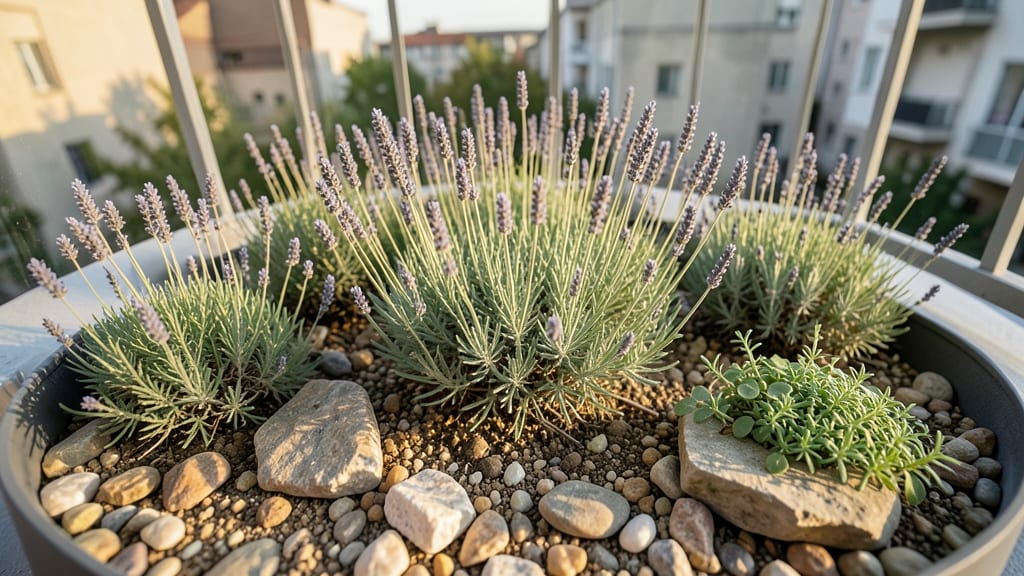
Turn your tiny balcony or patio into a fragrant escape with a dwarf lavender rock garden—the perfect solution for urban gardeners with limited space. This whimsical design uses compact varieties like Lavandula angustifolia 'Hidcote' or 'Munstead', which thrive in well-draining rocky soil and stay under 12 inches tall.
Start by filling a shallow container or raised bed with a mix of pebbles, coarse sand, and potting soil to mimic rocky terrain. Plant dwarf lavender in clusters, leaving 6-8 inches between stems, and sprinkle decorative stones or moss around the base for texture. The rocky environment prevents soil compaction and mimics lavender’s natural Mediterranean habitat, while the compact growth keeps it from sprawling.
This design is ideal for beginners or renters—it’s low-maintenance, pest-repelling, and fits seamlessly into small spaces. Plus, the delicate blooms add charm without overwhelming your landscape. 🌻
Fragrant Lavender Walkway Borders
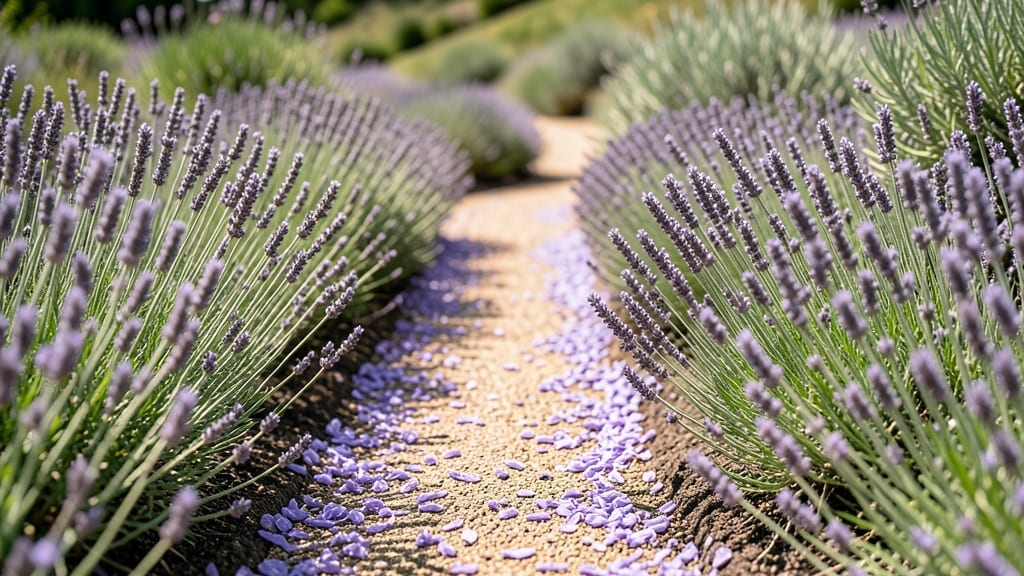
Turn your garden paths into fragrant corridors by planting lavender walkway borders—where every step releases a burst of scent and keeps pests at bay. This design transforms ordinary pathways into sensory experiences while naturally repelling ants and flies with crushed petals underfoot.
Plant English lavender or Spanish lavender in narrow rows along pathways, spacing them 12-18 inches apart for full coverage. After blooming, lightly crush dried petals into the soil or pathway edges to release their natural pest-repelling oils. The scent lingers for days, creating a fragrant trail that invites you deeper into your garden.
Perfect for gardeners who love multi-sensory experiences, this layout works especially well in sunny, well-drained areas and requires minimal maintenance. It’s ideal for those who want beauty and function without sacrificing space. 🌿
Lavender and Succulent Desert Bed
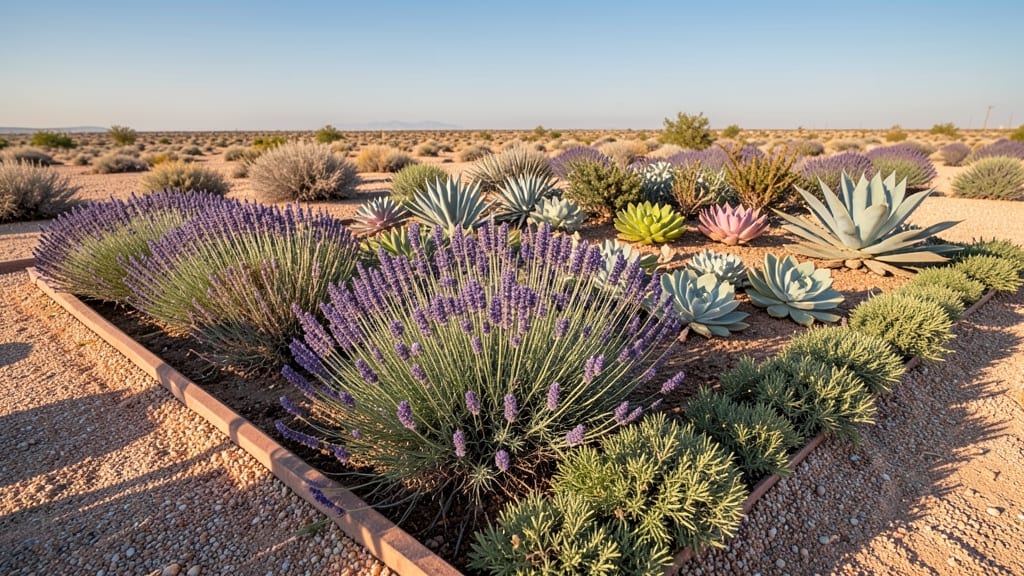
If you live in a dry, sun-drenched climate and dread high water bills, this lavender and succulent desert bed is your dream solution. The pairing creates a stunning, low-maintenance landscape that thrives on minimal water while naturally repelling pests like aphids and mosquitoes.
Plant English lavender or Spanish lavender (both drought-tolerant) alongside sedum, echeveria, or agave for a striking contrast. Ensure well-draining sandy soil and full sun exposure (at least 6 hours daily) to keep both plants happy. Mulch with gravel to retain moisture and suppress weeds—no extra watering needed!
This design is perfect for urban desert yards or rural arid landscapes, offering year-round beauty with almost no upkeep. Plus, the fragrant lavender will keep flying pests at bay naturally. 🌻
Vertical Lavender Trellis Garden
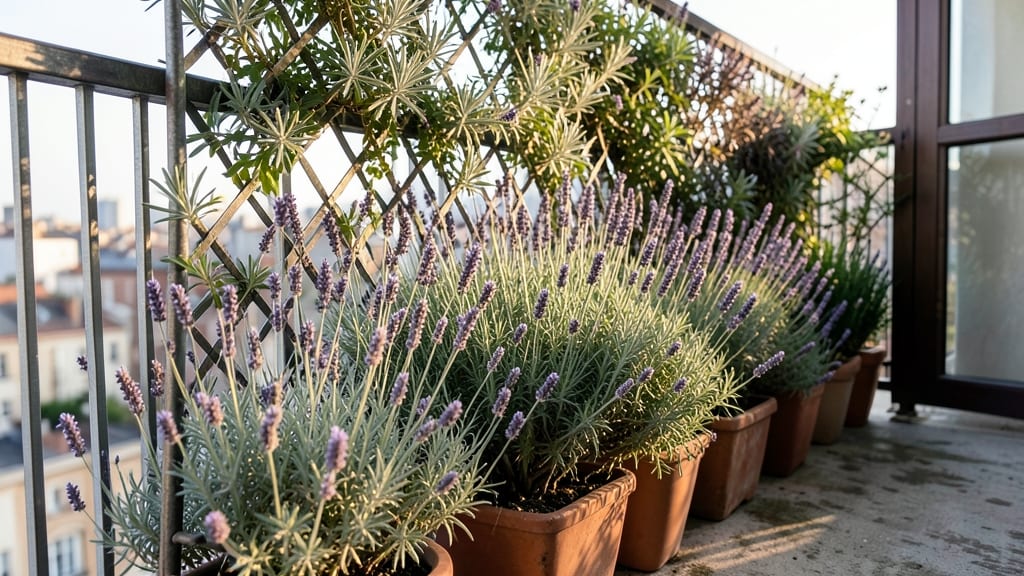
Turn even the smallest urban balcony into a fragrant pest-repelling oasis with a vertical lavender trellis garden. This innovative design lets English lavender or Spanish lavender climb upward on a sturdy trellis, creating a living wall that maximizes vertical space while keeping flying insects at bay.
Start with a wooden or metal trellis (at least 4 feet tall) and plant lavender cuttings at the base, spacing them 6-8 inches apart. Use well-draining soil mixed with sand or gravel to prevent root rot, and place the trellis in full sun (6+ hours daily) for best growth. Prune lightly after flowering to encourage bushier growth and more abundant blooms.
Perfect for renters, city dwellers, or anyone with limited ground space, this design transforms walls into fragrant, functional art. The natural oils in lavender not only repel pests but also create a calming atmosphere. 🌱
Moon Garden with Lavender and Silver Foliage
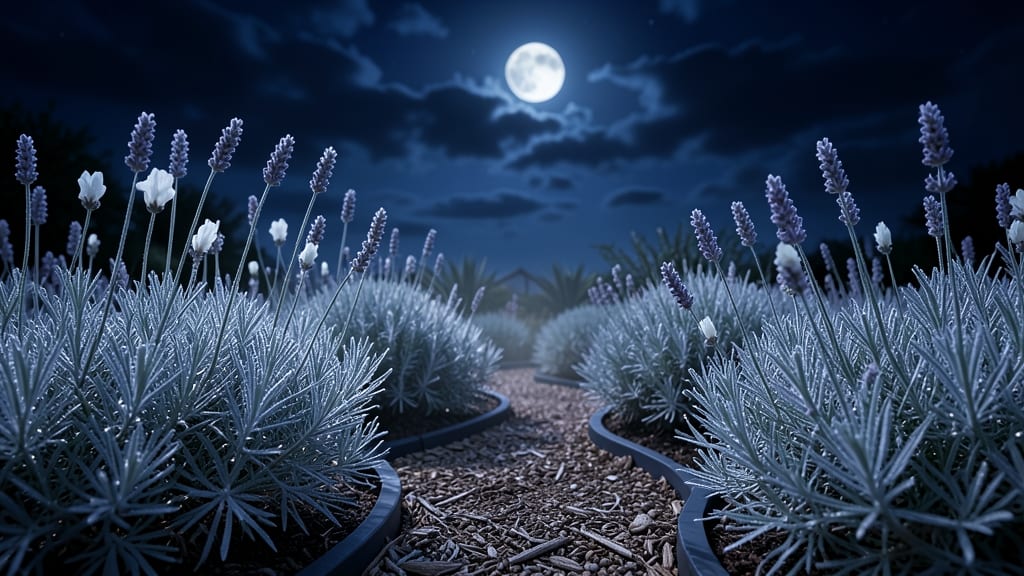
Create a magical nighttime retreat with a moon garden featuring silver lavender foliage and white-blooming varieties, where moonlight transforms your garden into a luminous sanctuary. This design leverages lavender's natural ability to repel nocturnal pests while creating a serene, ethereal atmosphere after dark.
Start with lavender varieties like 'Silver Frost' or 'Alba' for their silvery-gray leaves and white flowers, which glow under moonlight. Pair them with white flowering plants like dianthus or white roses to enhance the luminous effect. Plant in well-draining soil with full sun exposure during the day, and ensure the bed is positioned where moonlight can fully illuminate it at night.
This design is perfect for gardeners who love low-light ambiance and want to extend their garden's beauty into the evening. The silver foliage reflects moonlight beautifully, while the pest-repelling properties of lavender keep unwanted visitors away naturally. 💚
Lavender Cutting Garden for Pest-Repelling Bouquets

Want a garden that doubles as your own natural pest control system while providing fragrant bouquets? A lavender cutting garden is the answer—where every harvest encourages thicker, bushier plants that release even more pest-repelling oils. This layout is perfect for gardeners who love fresh flowers and want to keep mosquitoes, aphids, and even rabbits at bay.
Plant French lavender or English lavender in neat rows spaced 18-24 inches apart to allow airflow and easy access for cutting. Harvest stems when half the buds open—this triggers new growth and boosts fragrance. Place your cutting garden near seating areas or pathways so the scent wafts naturally while you work, and the harvested stems can be bundled for long-lasting bouquets or sachets.
This design is ideal for beginner gardeners or those with small spaces—just a few well-placed rows can transform a corner into a fragrant, functional oasis. Plus, the more you cut, the more your lavender will thrive! 🌻