
Companion Plants
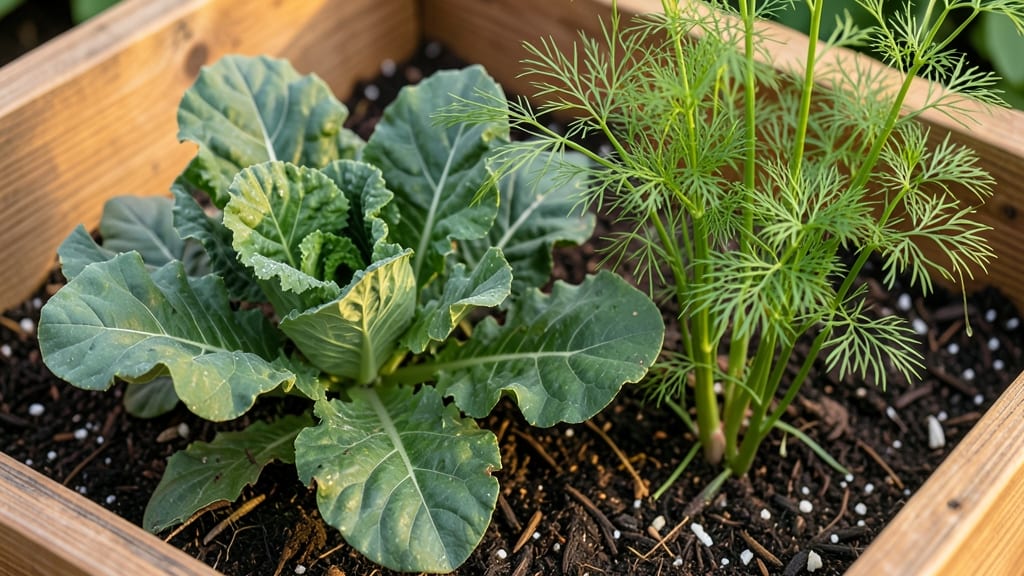
Tired of wasting space and effort in your raised beds? These 10 companion planting layouts combine science-backed pairings to boost yields, deter pests, and save time—ideal for gardeners who want maximum results with minimal upkeep.
Classic Three Sisters Raised Bed
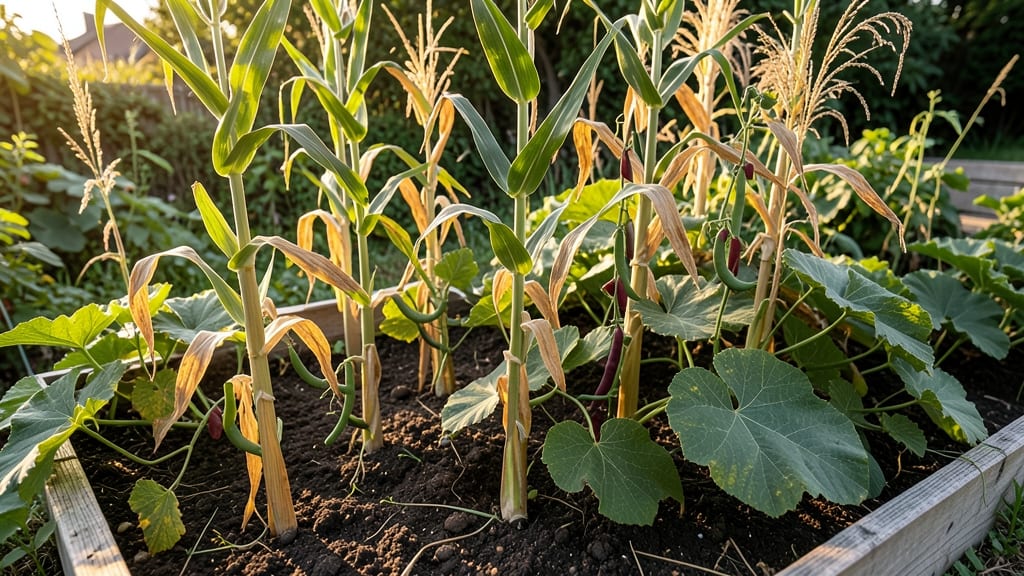
Step back in time with the Three Sisters—a Native American planting method that’s as sustainable today as it was centuries ago. This trio of corn, beans, and squash works together to create a thriving ecosystem where each plant supports the others, reducing weeds and improving soil health naturally.
Plant corn first as the vertical support for climbing pole beans, which fix nitrogen in the soil to nourish the squash growing beneath. The squash’s broad leaves act as living mulch, suppressing weeds and retaining moisture. For best results, start seeds indoors in early spring and transplant after the last frost, spacing corn 12 inches apart with beans and squash planted between the stalks.
This layout is ideal for organic gardeners and those seeking a low-maintenance, high-reward system. Plus, it’s a great way to connect with traditional gardening practices while enjoying a bountiful harvest. 🌱
Mediterranean Herb and Tomato Tower
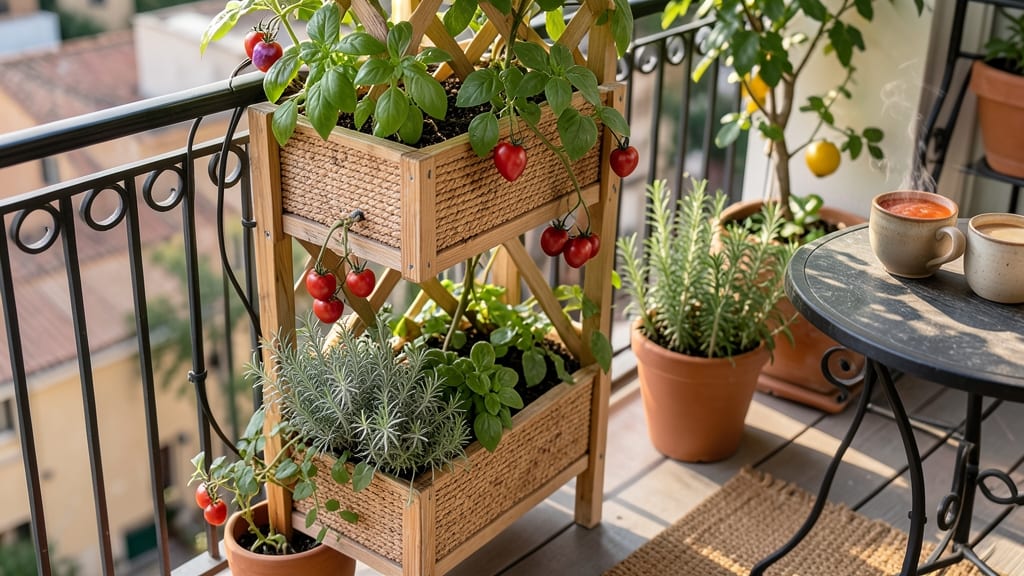
Transform your small balcony or patio into a fragrant, productive oasis with a Mediterranean Herb and Tomato Tower. This vertical layout pairs cherry tomatoes with basil, oregano, and thyme—not just for aesthetics, but to create a self-defending, flavor-boosting ecosystem that thrives in tight spaces.
The tower’s design works by placing cherry tomatoes at the top (where they get the most sun) with herbs cascading down in terracotta pockets or hanging planters. The basil repels whiteflies and enhances tomato flavor, while oregano and thyme deter pests like aphids and attract pollinators. Watering is simple—just a drip system or hand-watering at the base, and the herbs’ strong scent masks tomato odors that might attract pests.
This layout is perfect for urban gardeners, beginners, or anyone with limited square footage—it’s low-maintenance, visually stunning, and gives you fresh herbs and tomatoes within months. Plus, the aromatic herbs make your space smell like a Mediterranean summer. ✨
Pest-Repellent Carrot and Onion Garden
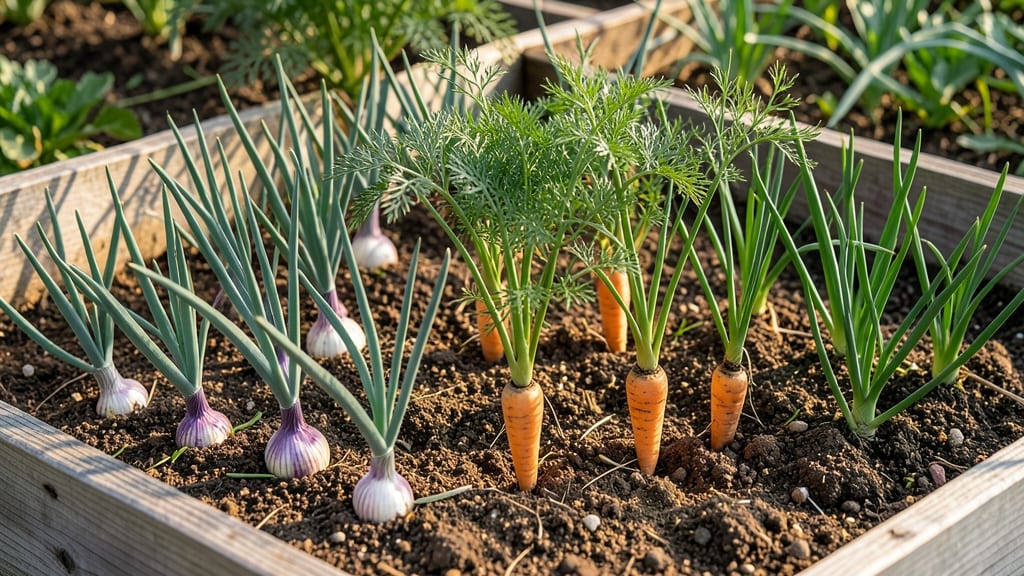
Tired of losing your carrot harvest to pesky flies or aphids munching on your onions? This dynamic duo not only deters pests naturally but also thrives in the same well-draining soil and sunlight conditions.
Plant onions around the perimeter of your raised bed—their strong scent confuses carrot flies, while the sharp edges of their foliage deter aphids. Interplant carrots in between for a double harvest: sweet roots and flavorful bulbs. Both love full sun (6+ hours daily) and benefit from loose, rocky-free soil to prevent forked carrots. Add a light mulch to retain moisture and keep pests at bay.
This layout is perfect for gardeners who want a low-maintenance, high-yield bed with minimal pest issues—ideal for beginners or anyone looking to cut down on chemical interventions. 🌱
Salad Bar Mix with Lettuce and Radish
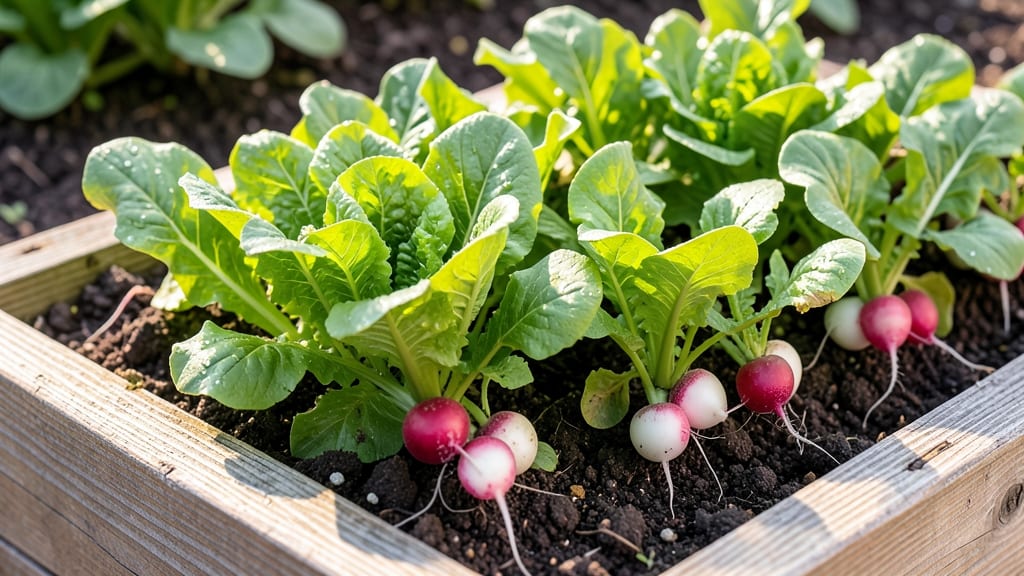
Craving fresh salads in under a month? This lettuce and radish duo delivers crisp greens and peppery roots faster than any other raised bed pairing—with the added bonus of built-in pest protection. Radishes grow in just 25-30 days, creating a natural barrier that deters slugs and flea beetles while their deep roots aerate the soil for lettuce.
Plant lettuce along the edges of your bed for full sun exposure, then tuck radish seeds ½ inch deep between rows. The radishes’ rapid growth shades out weeds while their strong scent masks lettuce’s aroma from pests. For continuous harvests, sow radishes every 2 weeks—they’re ready to pick before bolting, leaving your lettuce undisturbed.
This layout is ideal for urban gardeners or anyone with limited time—just 1 square foot yields enough for 4-6 salads. The radishes’ vibrant colors also add visual appeal, making your bed a standout feature. 🌱
Peppers and Marigolds Pest-Free Layout
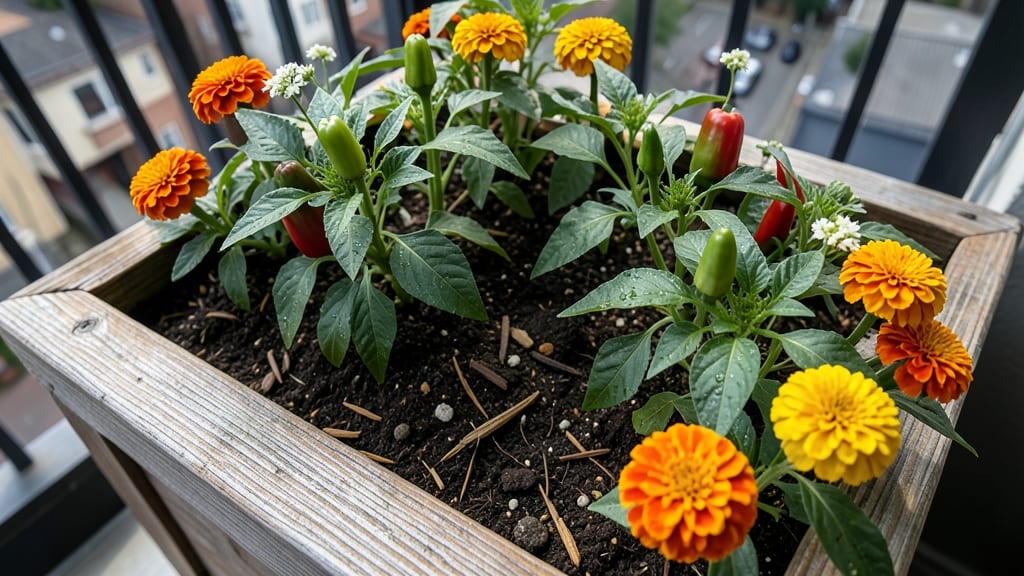
Urban gardeners with limited space can still grow bold flavors without pesticides by pairing peppers with marigolds. This dynamic duo thrives together, with marigolds releasing natural compounds that repel pests like aphids and spider mites—common nuisances for pepper plants.
Plant French marigolds (Tagetes patula) around the perimeter of your pepper bed, where their bright blooms will also attract pollinators. Peppers love full sun (6-8 hours daily) and well-draining soil, while marigolds tolerate slightly poorer conditions, making them the perfect understory companion. The marigolds' scent masks pepper plants from pests while their deep roots improve soil aeration.
This layout is perfect for small raised beds or containers, delivering both flavor and pest control. Urban gardeners with sunny balconies or rooftops will love this low-maintenance, high-reward pairing. 🌻
Potato and Cabbage Space-Saving Bed
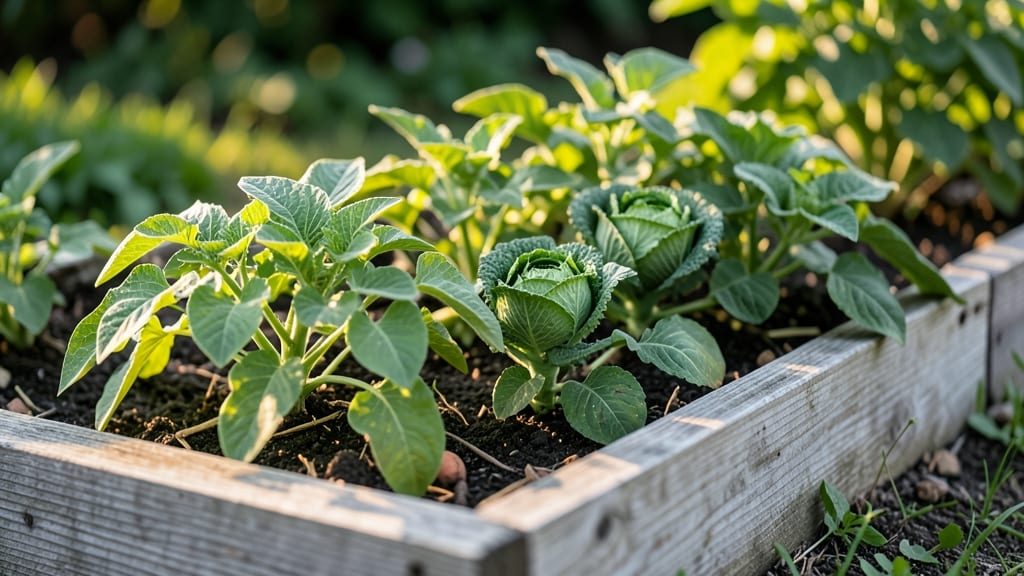
Turn your small raised bed into a powerhouse of productivity with this unexpected duo: potatoes and cabbage. While potatoes spread horizontally, their sturdy foliage creates a natural windbreak and shade for cabbage, reducing stress and improving head formation—all while saving precious space.
Plant seed potatoes along the edges of your bed, spacing them 12 inches apart, then tuck cabbage seedlings between the rows. As the potato vines grow, they’ll shield cabbage from harsh afternoon sun and deter cabbage moths. This layout thrives in full sun (6+ hours) and well-draining soil, making it ideal for cool-season gardens.
Urban gardeners and balcony growers will love this space-efficient trick—you’ll harvest tender potatoes and crisp cabbage from the same square footage, with minimal extra effort. 🌱
Strawberry and Borage Flower Bed
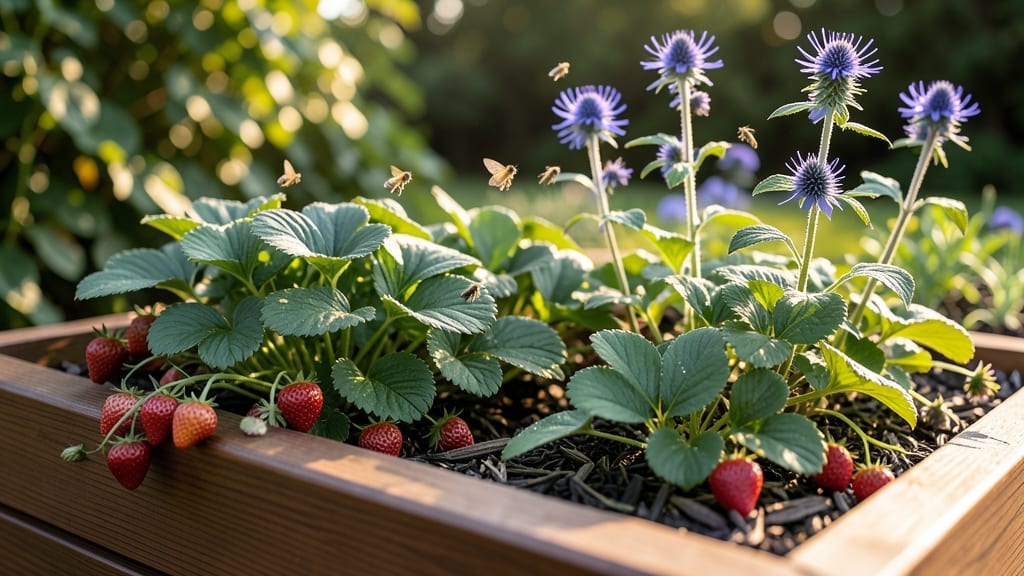
Want a fragrant, low-maintenance raised bed that produces sweet strawberries and buzzes with pollinators? Pair strawberries with borage for a dynamic duo that repels pests, boosts flavor, and keeps your garden thriving with minimal effort.
Plant strawberries along the edges of your raised bed where they’ll get 6-8 hours of sun daily, while letting borage—with its striking blue flowers—tower in the center. The borage’s cucumber-like scent deters slugs, aphids, and even rabbits, while its bee-friendly blooms increase strawberry pollination, leading to sweeter, larger fruit. Snip fresh borage leaves for salads or let them self-seed for next year’s pollinator party.
This layout is perfect for small-space gardeners or fruit enthusiasts who want to cut down on pesticides. The borage’s edible flowers add a bonus harvest, making this bed both beautiful and productive. 🌱
Garlic and Rosemary Pest-Defense Layout
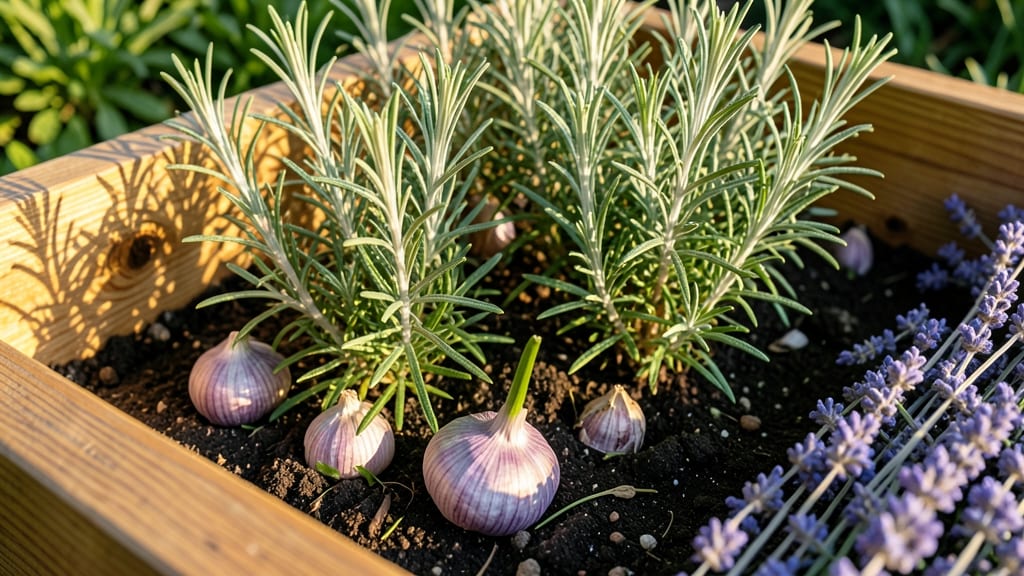
Want a raised bed that smells amazing and keeps pests at bay? Plant garlic and rosemary together—their natural chemistry creates a pest-repellent powerhouse while both plants thrive in the same sunny spot.
Garlic’s antifungal compounds deter fungal diseases that can plague rosemary, while the woody herb’s strong scent masks garlic’s smell, preventing deer and rabbits from munching. Both love full sun (6+ hours daily) and well-draining soil—ideal for herb gardeners who want minimal fuss. Plant garlic in early spring and rosemary in spring or fall, spacing them 6 inches apart for airflow.
This layout is a game-changer for herb enthusiasts who hate chemical sprays but still want lush, healthy plants. The dual benefits make it a must-try for any raised bed. 🌱
Cucumber and Nasturtium Trellis Bed
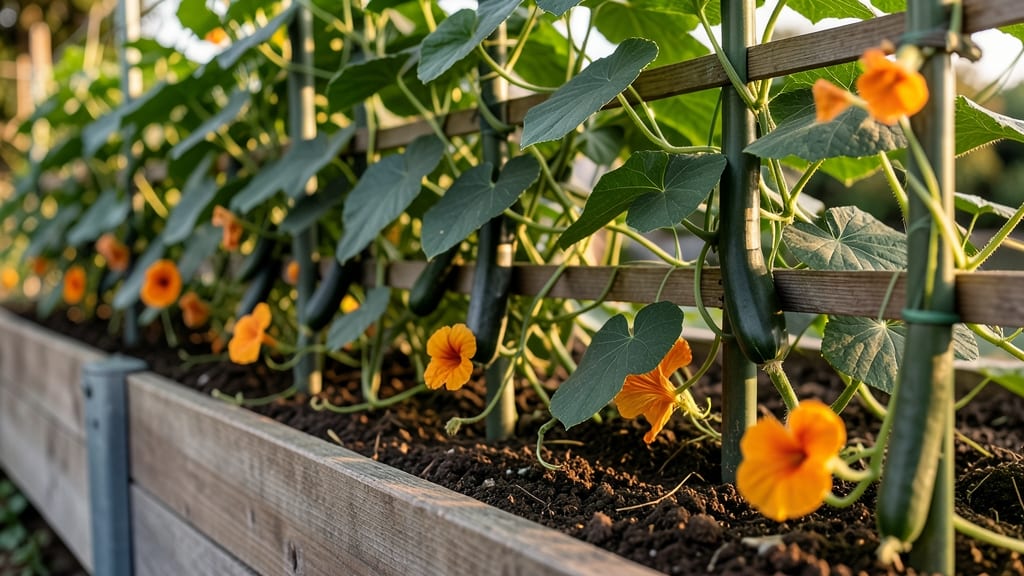
Transform your raised bed into a dual-purpose powerhouse with a cucumber and nasturtium trellis bed—where every inch works harder. This layout isn’t just about growing cucumbers; it’s about creating a pest-free, edible garden showpiece that thrives vertically while keeping your plants happy and productive.
Plant cucumbers along a sturdy trellis to maximize space and airflow, reducing disease risk. Interplant nasturtiums at the base—their peppery, edible flowers deter cucumber beetles naturally while adding vibrant color and flavor to salads. The nasturtiums also attract pollinators, ensuring better fruit set for your cucumbers. For best results, provide 6-8 hours of sun and keep soil consistently moist but well-drained.
This layout is a game-changer for small-space gardeners and urban growers who want both high yields and beautiful, functional blooms without sacrificing precious real estate. Plus, you’ll harvest edible flowers and crisp cucumbers from the same bed! 🌻
Kale and Dill Nutrient-Boosting Pair

Want nutrient-packed greens that grow faster and resist pests without chemicals? Plant kale alongside dill in your raised bed—a dynamic duo that boosts growth while keeping cabbage moths at bay.
The feathery dill attracts beneficial insects like ladybugs and lacewings, which prey on kale’s biggest pests. Meanwhile, dill’s strong scent masks kale’s natural aroma, confusing moths that would otherwise lay eggs on your leaves. For best results, sow dill seeds first in early spring (they germinate quickly) and transplant kale seedlings 2-3 weeks later, spacing them 12-18 inches apart.
This pairing is a game-changer for gardeners who want year-round harvests of nutrient-rich greens with minimal effort. The dill’s edible flowers and seeds are a bonus for culinary use! 🌿