
Flowers
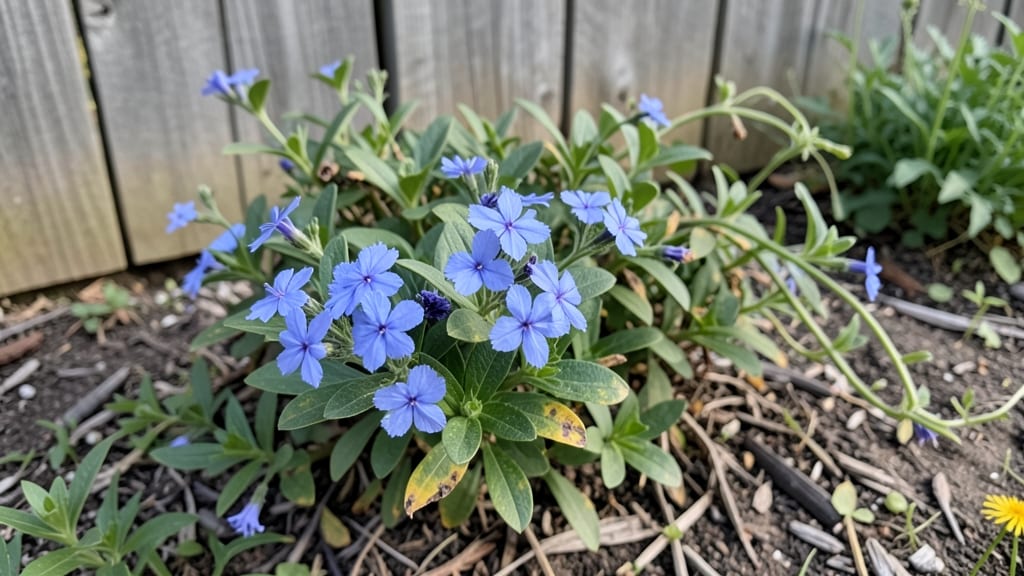
Growing a blue lithodora perennial plant means adding sky-blue clouds of fragrance to your garden that return every spring with almost no work from you.
Imagine a perennial plant that blankets your garden in fragrant, sky-blue blooms year after year—requiring almost no effort to return. The blue lithodora 🌸 (Lithodora diffusa) does exactly that, turning even the driest slopes into a Mediterranean paradise with minimal care.
Perfect for USDA Zone 6a and beyond, this drought-tolerant beauty thrives in poor soil and full sun, making it ideal for low-maintenance gardens. Plant it in April-May after the last frost, and you’ll enjoy its vibrant blooms for years with just occasional pruning.
Discover how to plant, care, and pair this stunning perennial with other Mediterranean favorites to create a fragrant, low-fuss garden that stays lush and beautiful season after season.

Why blue lithodora Stands out among drought-tolerant perennials
If you're searching for a low-maintenance perennial that delivers year-round color without demanding constant attention, blue lithodora (Lithodora diffusa) is a game-changer. Unlike thirsty annuals or high-maintenance perennials, this Mediterranean beauty thrives on neglect while delivering vibrant blue flowers that attract pollinators and fill your garden with fragrance.
Its evergreen foliage ensures your garden stays lush even in winter, making it a standout choice for dry climates and poor soils where other plants struggle.
The secret to blue lithodora's success lies in its adaptive roots and drought-resistant traits. Native to rocky slopes in Greece and Turkey, it evolved to survive with minimal water—a trait that translates perfectly to modern gardens.
Unlike many perennials that require rich, fertile soil, blue lithodora flourishes in sandy, gravelly, or even slightly alkaline soils, making it ideal for rock gardens, slopes, or areas where other plants fail.
Its ability to self-seed also means you’ll get more blooms each year with almost no effort on your part.
What truly sets blue lithodora apart is its dual appeal: fragrant flowers and neat, silvery-green foliage. The intense sky-blue blooms appear in late spring and last through summer, creating a continuous display that rivals more high-maintenance perennials.
Even after flowering, the compact mounds of foliage provide year-round structure, ensuring your garden stays visually interesting. For gardeners who love the look of Mediterranean landscapes but hate the upkeep, this plant is a dream come true.
Here’s why blue lithodora deserves a spot in your garden, broken down into key traits that make it a top-tier drought-tolerant perennial:
| Trait | Specification | Why It Matters |
|---|---|---|
| Flower Color | Vibrant sky-blue | Stands out in gardens; attracts bees and butterflies |
| Foliage Type | Evergreen, silvery-green | Provides year-round structure and texture |
| Drought Tolerance | Extreme (once established) | Thrives in USDA Zones 6-9 with minimal water |
| Soil Preference | Poor, sandy, or alkaline | Grows where other perennials fail; ideal for rock gardens |
| Maintenance Level | Very low | No pruning needed; self-seeds for more blooms yearly |
| Fragrance | Sweet, honey-like | Enhances garden sensory experience; attracts pollinators |
| Mature Size | 12-24 inches tall/wide | Perfect for containers, borders, or slopes |
One of the most impressive aspects of blue lithodora is its ability to naturalize over time. Once planted, it spreads gently through self-seeding, creating a low-growing carpet of blue that’s both beautiful and functional.
This makes it perfect for steep slopes or areas where you want to prevent erosion without heavy maintenance. Unlike aggressive spreaders like mint or creeping thyme, blue lithodora stays contained and tidy, making it a polite neighbor in any garden bed.
For gardeners in dry, hot climates, blue lithodora is a lifesaver. It requires far less water than traditional perennials like lavender or salvia, yet still delivers stunning visual impact.
In my own Mediterranean-style garden, I’ve seen blue lithodora survive months without rain once established, while still producing abundant blooms when conditions improve. This resilience is unmatched among low-water perennials, making it a must-have for sustainable landscapes.
Another standout feature is its compatibility with pollinators. The fragrant blue flowers are a magnet for bees, butterflies, and hummingbirds, turning your garden into a mini ecosystem with minimal effort.
Unlike some drought-tolerant plants that offer little beyond aesthetics, blue lithodora actively supports biodiversity, which is a huge bonus for eco-conscious gardeners. Even in urban settings, where soil quality is often poor, this plant thrives and contributes to local wildlife.
If you’ve ever struggled with bare patches in your garden or wanted a no-fuss perennial that still makes a statement, blue lithodora is the answer. Its combination of drought tolerance, evergreen foliage, and striking blooms makes it one of the most versatile and rewarding plants for low-maintenance gardens. Whether
How to plant and care for blue lithodora for maximum blooms
The blue lithodora (Lithodora diffusa) thrives with the right care, rewarding you with vibrant blue blooms from late spring through summer. This drought-tolerant perennial loves sunny spots and well-draining soil, making it perfect for low-maintenance gardens.
Whether you're planting from seeds or transplants, understanding its needs will ensure a long-lasting display year after year.
Start by choosing the right location—full sun exposure (6+ hours daily) is critical for optimal flowering. The plant’s evergreen foliage and fragrant blooms make it a standout in rock gardens or as a ground cover.
With proper watering techniques and occasional pruning, you’ll enjoy continuous blooms with minimal effort.
⚠️ Critical Warning for Blue Lithodora Care
Poor drainage is the #1 killer of blue lithodora perennials. This plant hates soggy roots—it thrives in dry, rocky soil mimicking its Mediterranean roots. If your garden retains moisture, amend with gravel or sand to prevent root rot. Never plant in heavy clay without amending!
🌱 Pro Tip: Test soil drainage by digging a hole, filling it with water, and checking if it drains within 1 hour.
For planting, space blue lithodora 12-18 inches apart to allow airflow and prevent overcrowding. Dig holes twice as wide as the root ball but only as deep as the container.
Gently remove the plant, loosen roots if pot-bound, and place it in the hole. Backfill with well-draining soil mixed with compost or sand to improve texture.
Watering is simple once established, but new plants need consistent moisture for the first 2-3 weeks. Aim for deep watering (1-2 inches per week) in the morning to reduce evaporation.
After establishment, reduce to every 10-14 days—this drought-resistant plant stores water efficiently. Avoid overhead watering to prevent fungal diseases like powdery mildew.
Pruning encourages bushier growth and longer bloom seasons. After flowering, trim back spent blooms to 1/3 of the plant’s height to promote new growth. In early spring, remove any dead or yellowing foliage while keeping the plant’s natural shape.
Avoid heavy pruning in late summer, as this can reduce winter hardiness.
Overwintering is effortless in USDA Zones 6-9. This hardy perennial handles frost well but benefits from a light mulch layer (1-2 inches) to protect roots in colder climates.
In Zone 5 or colder, grow blue lithodora in containers and move indoors during winter or use heavy mulch for insulation.
With these simple care steps, your blue lithodora will reward you with years of fragrant blue blooms, turning even the driest corners of your garden into a Mediterranean oasis. Happy gardening! 🌸