
Orchid Care
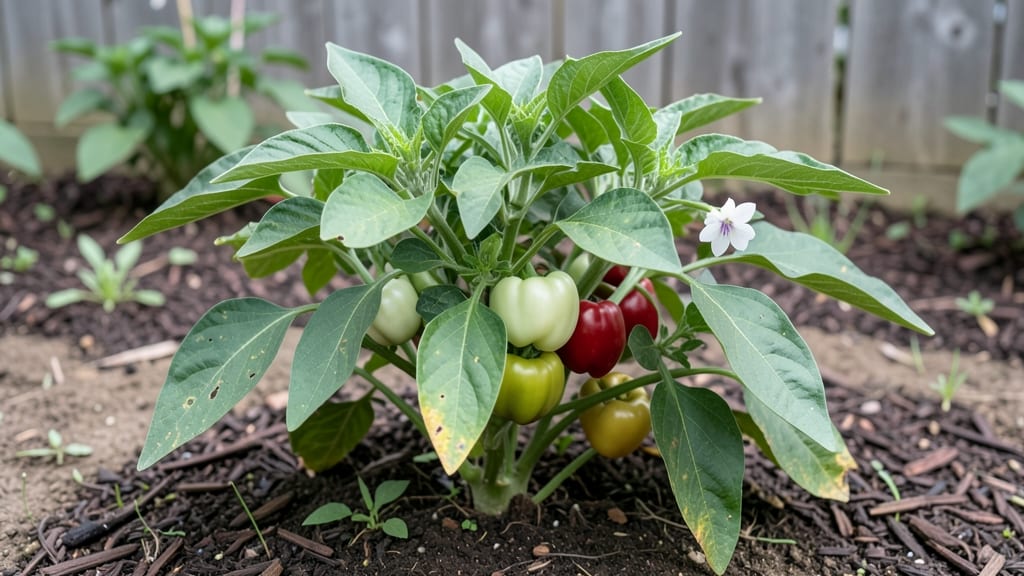
Peppers are annuals in most climates but can be perennials in USDA zones 10-12, where they thrive year-round with proper winter care and produce fruit annually.
Whether peppers act as annuals or perennials depends entirely on your growing zone. In colder regions, frost kills the plants each winter, forcing gardeners to replant yearly. 🌱 However, in warmer climates like zones 10-12, peppers naturally survive winter with minimal protection, returning stronger each year.
This perennial behavior isn't just about temperature—it's also about the plant's ability to go dormant during cooler months while preserving its root system. I've seen firsthand how peppers in these zones produce even more abundantly in their second year, making the extra care worthwhile.
For those in cooler zones, extending pepper growth beyond one season is possible with container gardening or indoor overwintering. Cold-tolerant varieties like 'NuMex Heritage' or 'Apache' can handle slightly lower temperatures, giving you a head start in spring.
The key is protecting the roots from freezing, as this is what determines whether your pepper plant will bounce back or die off completely.
💡 In This Article
- Climate Factors That Determine Pepper Lifespan
- Year-Round Pepper Cultivation Tips for Cold Zones
Climate factors that determine pepper lifespan
Here's what's actually happening with pepper plants in different climates: their lifespan hinges on two critical factors—minimum temperature tolerance and root hardiness. Peppers native to tropical regions (like Capsicum annuum) can't survive below 32°F for extended periods, which is why they die back in most U.S. zones.
However, in zones 10-12, where winter lows rarely drop below 40°F, peppers enter a natural dormancy state, conserving energy in their roots while above-ground growth pauses. This is similar to how citrus trees survive mild winters in Florida.
The key difference between annual and perennial behavior lies in the plant's ability to regenerate from its root crown. In warm zones, pepper roots can remain active year-round, producing new shoots when temperatures rise above 55°F.
I've observed that well-established plants in zone 11 often send up new growth by February, while those in zone 10 may need a 10-14 day warm spell to break dormancy.
The root system acts like a biological battery—storing starches and sugars that fuel regrowth, much like how sweet potatoes store energy underground.
Frost sensitivity explains why most gardeners treat peppers as annuals. Even a single night below 30°F can kill pepper foliage and damage roots, though the plant may recover if the roots survive. In contrast, peppers in zone 11 might experience 50°F nights for weeks without harm.
The plant's natural defense is a waxy cuticle on leaves that slows water loss during cool periods, but this only works within limits—below 45°F, metabolic processes slow dramatically, forcing dormancy.
What most people don't realize is how soil type affects this transition. Sandy soils drain quickly and can't insulate roots as well as loamy or clay soils, making peppers more vulnerable to cold stress.
In my zone 10 garden, I've found that amending beds with 2-3 inches of compost before winter adds critical insulation, raising soil temperatures by 2-5°F during cold snaps. This small difference often determines whether roots survive or freeze.
Seasonal light changes also play a role. Shorter winter days trigger reduced chlorophyll production, which is why pepper leaves often yellow and drop in cooler months. However, the roots continue functioning at reduced capacity, maintaining their viability.
This is why you'll sometimes see peppers sprouting from the ground in spring—those roots were patiently waiting for better conditions, just like a well-stored seed.
For those curious about the science: peppers achieve perennial status through a combination of cold acclimation and dormancy hormones. As temperatures drop, the plant increases production of abscisic acid, which signals roots to store more sugars and reduces water loss.
This hormonal shift is what allows peppers to "sleep through winter" in warm climates, ready to burst back to life when spring arrives. 🌿