
Landscaping
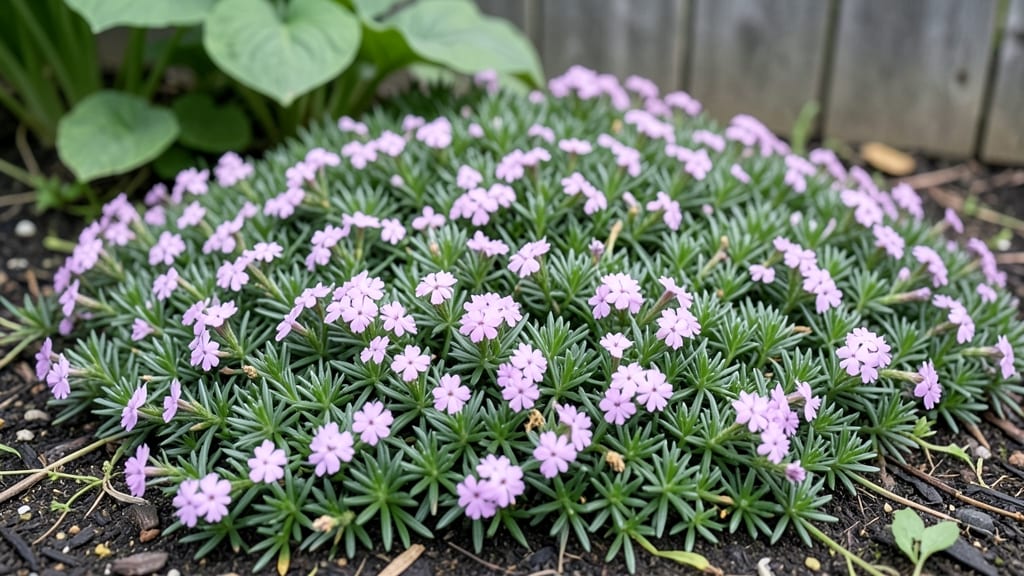
Creeping phlox ground cover perennial spreads effortlessly into a fragrant, ever-blooming carpet that outshines even the hardiest lawn alternatives.
Imagine a lush, fragrant carpet of blooms that thrives year-round with minimal effort—creeping phlox ground cover delivers exactly that, transforming dull garden spaces into vibrant, low-maintenance masterpieces.
This 6a-hardy perennial loves full sun and well-draining soil, making it perfect for slopes, borders, or under trees where other plants struggle. With its early spring blooms and drought tolerance, it’s the secret weapon for gardeners who want color without the fuss.
In this guide, I’ll walk you through planting, care, and design tips to turn your yard into a fragrant, pollinator-friendly paradise—no green thumb required.
Why creeping phlox makes the perfect fragrant ground cover perennial
If you're dreaming of a garden that bursts into color with minimal fuss, creeping phlox is your answer. This hardy ground cover perennial spreads effortlessly, creating a fragrant carpet that outshines alternatives like ajuga or creeping thyme.
Its ability to thrive in full sun while requiring little water makes it a standout choice for busy gardeners.
The real magic happens in early spring when creeping phlox erupts in vibrant blooms, attracting bees and butterflies with its sweet fragrance. Unlike many ground covers that fade after summer, phlox often reblooms in fall, extending your garden's beauty.
Its drought tolerance once established also means fewer worries during dry spells.
What truly sets creeping phlox apart is its versatility. It handles slopes beautifully, prevents erosion, and pairs perfectly with ferns, hostas, or ornamental grasses. Whether you're filling a shady corner or brightening a sunny border, this plant delivers year-round interest with almost no maintenance.
For those comparing options, creeping phlox outperforms ajuga in fragrance and creeping thyme in bloom duration. Its 6-12 inch height creates an ideal "living mulch" effect while staying low enough to walk on. The key to its success? Proper soil preparation and understanding its seasonal needs.
Here's how creeping phlox stacks up against other ground covers in key categories:
| Category | Creeping Phlox | Ajuga | Creeping Thyme |
|---|---|---|---|
| Fragrance | Sweet, strong | Mild | Light herbal |
| Bloom Duration | Spring + fall | Spring only | Summer only |
| Pollinator Appeal | Excellent (bees, butterflies) | Good | Moderate |
| Drought Tolerance | High after establishment | Moderate | Very high |
| Sun Requirements | Full sun (6+ hours) | Partial shade | Full sun |
| Maintenance Level | Low (deadhead for rebloom) | Very low | Very low |
| Erosion Control | Excellent on slopes | Good | Good |
One of creeping phlox's greatest strengths is its early spring blooms, which appear when few other perennials are flowering. This makes it perfect for seasonal interest and early pollinator support. The plant's spreading habit means it fills gaps quickly, often reaching 3 feet wide within a single season.
For gardeners in USDA zones 3-9, creeping phlox is remarkably adaptable. While it prefers well-draining soil, it tolerates poor conditions better than many ground covers. The secret to its longevity? A light spring feeding with 5-10-10 fertilizer and occasional deadheading to encourage continuous blooms.
Unlike ajuga, which can become invasive, creeping phlox maintains a tidy 6-12 inch height while spreading horizontally. This makes it ideal for border edges or rock gardens where you want color without overwhelming other plants.
Its fragrant blooms also create a sensory experience that other ground covers simply can't match.
When comparing to creeping thyme, phlox wins for its longer bloom season and more vibrant colors. While thyme excels in drought conditions, phlox offers that extra burst of spring color that many gardeners crave. The trade-off? Phlox needs slightly more water during establishment but becomes drought-tolerant once rooted.
For pollinators, creeping phlox is a superstar performer. Its <
Planting and care tips for maximum creeping phlox blooms all season
Creeping phlox thrives when planted in the right conditions, turning your garden into a fragrant, colorful haven. To achieve continuous blooms from spring to fall, focus on well-draining soil, full sun exposure, and proper spacing.
This hardy perennial rewards your efforts with vibrant flowers that attract pollinators and fill your garden with sweet fragrance.
Unlike other ground covers, creeping phlox spreads aggressively but stays low, making it perfect for slopes, borders, or as a living mulch. The key to long-lasting blooms lies in understanding its seasonal needs—from soil prep to winter care.
Let’s dive into the step-by-step process to ensure your creeping phlox flourishes year-round.
🌱 Pro Tip for Creeping Phlox Success
For maximum blooms, mix compost into the soil before planting to improve drainage and fertility. Full sun (6+ hours) is non-negotiable—this plant won’t bloom well in shade. Space plants 12-18 inches apart to prevent overcrowding and allow airflow, reducing disease risk.
Start by selecting a sunny, well-draining location—creeping phlox hates soggy soil. Amend heavy clay soil with sand or compost to improve aeration. If your garden soil is poor, consider planting in raised beds for better control over drainage and nutrients.
A slightly acidic to neutral pH (6.0-7.0) works best, so test your soil before planting.
When planting, dig holes twice as wide as the root ball but only as deep. Gently remove the plant from its container and tease the roots to encourage spreading.
Place each plant 12-18 inches apart in rows 18-24 inches apart to create a dense, carpet-like effect. Water thoroughly after planting to settle the soil and eliminate air pockets.
Watering is critical in the first two weeks to help roots establish. After that, creeping phlox is drought-tolerant once mature, but consistent moisture during blooming season (spring and fall) encourages bigger, brighter flowers.
Water deeply in the morning to reduce evaporation and fungal risks. Mulch around plants with 2-3 inches of organic mulch to retain moisture and suppress weeds.
Fertilize lightly in early spring with a balanced 5-10-10 fertilizer to promote growth, but avoid heavy feeding—too much nitrogen reduces flowering. Deadhead spent blooms in early summer to encourage second flushes of flowers later in the season. In fall, apply a light layer of compost to nourish roots for winter.
Creeping phlox is hardy in USDA zones 3-9, making it versatile for most climates. In colder zones, a thin layer of mulch protects roots from freeze-thaw cycles. Prune back 1/3 of the plant in late winter to stimulate new growth and maintain shape.
With these care tips, your creeping phlox will reward you with continuous color and fragrance for years to come.