
Planting
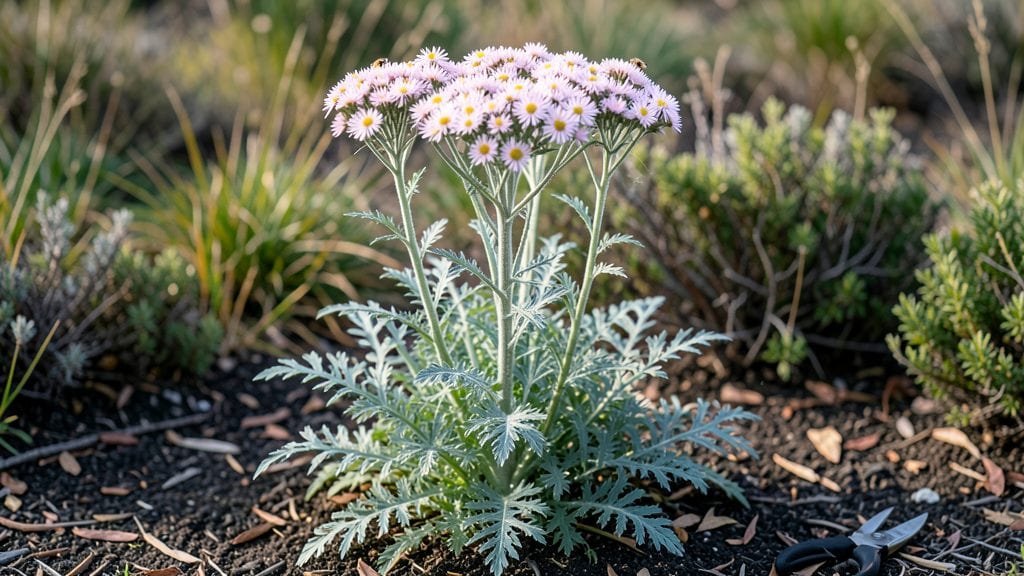
My yarrow perennial plant thrives in spots where nothing else survives—dry, sunny, and forgotten corners of the yard. 🌿 This hardy plant doesn’t just endure; it explodes with fern-like foliage and flat-topped blooms that keep bees buzzing from spring until frost.
The secret lies in its adaptability, turning tough conditions into a pollinator paradise with almost no effort from you.
You’ll need full sun and well-draining soil, but yarrow won’t complain if you skip the compost pile. A light pruning after flowering keeps it tidy and encourages more blooms next season. Once established, it spreads happily, filling gaps in borders or wildflower meadows without taking over like some aggressive perennials.
What you’ll love most is how effortlessly it delivers: vibrant color for months, drought resistance that beats most perennials, and a fragrance that lingers in the air on warm days. Even deer usually leave it alone, making it a low-maintenance star for any sunny garden corner.
Whether you’re planting a single clump or letting it naturalize into a meadow, yarrow’s versatility makes it a must-have. Let’s get yours growing strong for years to come—it’s the kind of plant that rewards patience with stunning, low-fuss beauty.
📚 In This Guide
- What you need
- Instructions
- Tips and common mistakes
- Wrapping up and next steps
What you need
- ● Yarrow plants: 1–3 Achillea millefolium plants (choose varieties like ‘Moonshine,’ ‘Cerise Queen,’ or ‘Paprika’ for vibrant blooms)
- ● OR 1 packet of organic yarrow seeds (approx. 500 seeds per packet; germination rate ~70%)
- ● Soil: Well-draining, slightly alkaline soil (pH 6.0–7.5); amend with compost for nutrient-rich beds.
- ● Sunlight: Full sun (6+ hours daily) for optimal growth.
- ● Water: Drip irrigation or a watering can with a gentle spray nozzle (avoid overhead watering to prevent mildew).
- ● Garden tools: Trowel or hand shovel (for transplanting)
- ● Pruners (sharp, sterilized; for deadheading and shaping)
- ○ Garden gloves (optional but recommended for handling thistle-like foliage)
- ○ Optional extras: Mulch (2–3 inches of organic mulch like straw or pine needles to retain moisture)
- ● Plant markers (to label varieties if testing multiple types)
- ● Pollinator-friendly companion plants (e.g., lavender, coneflowers, or bee balm)
- ● Check your USDA Hardiness Zone (yarrow thrives in Zones 3–9; verify suitability for your climate).
- ● Plan your planting location—yarrow tolerates drought but prefers open spaces for airflow.
- ● Timing: Spring or early fall for transplants; late spring for seeds (after last frost).
How to plant and maintain yarrow for season-long pollinator appeal
This hardy perennial thrives with minimal fuss—once established, it spreads beautifully while drawing bees and butterflies.
🌱 Step 1: Choose the Perfect Planting Spot
Yarrow adores full sun—select a location with at least 6-8 hours of direct sunlight daily. The plant tolerates dry soil once established, but it performs best in well-draining soil with moderate fertility. Avoid low-lying areas where water pools after rain.
Here's the thing—yarrow spreads aggressively via rhizomes, so give it 2-3 feet of space to prevent crowding. If you're planting near other perennials, create a 2-foot buffer to contain its growth. I like to mark the planting area with a stake and string before digging to ensure proper spacing.
🪴 Step 2: Prepare the Soil and Plant
Loosen the soil to a depth of 12 inches with a garden fork or trowel to improve drainage. Yarrow dislikes soggy roots, so amending heavy clay with compost or sand helps. Mix in 1-2 inches of aged compost to provide nutrients without encouraging excessive foliage growth.
Dig a hole twice as wide as the root ball but only as deep. Gently remove the plant from its container, tease the roots if they're circling, and place it in the hole so the top of the root ball sits level with the soil surface. Backfill with native soil and firm lightly around the base—this ensures good root-to-soil contact.
💧 Step 3: Water and Mulch for Establishment
Water deeply immediately after planting to settle the soil and eliminate air pockets. Yarrow is drought-tolerant once established, but young plants need consistent moisture for the first 4-6 weeks. Aim for 1 inch of water per week, either from rainfall or irrigation.
Apply 2-3 inches of mulch (like shredded bark or straw) around the base, keeping it 2 inches away from the stem to prevent rot. Mulch conserves moisture, regulates soil temperature, and suppresses weeds—critical during yarrow's early growth phase. Replenish mulch annually as it breaks down.
☀️ Step 4: Prune for Health and Pollinator Appeal
Cut back spent flower stalks to 4-6 inches above the ground in early fall or late winter. This encourages vigorous new growth in spring and prevents the plant from becoming leggy. I always use clean, sharp pruners to avoid tearing stems.
For a continuous bloom, deadhead faded flowers every 2-3 weeks during the growing season. This redirects the plant's energy into producing more flowers rather than setting seed. You'll notice a second flush of blooms within weeks—this is when pollinators flock in for nectar.
✂️ Step 5: Divide and Propagate Every 3-4 Years
Yarrow forms dense clumps over time, so dividing every 3-4 years rejuvenates growth. In early spring or fall, dig up the entire plant and separate it into 3-4 inch sections, ensuring each piece has roots and foliage. Replant divisions immediately in prepared soil.
This is the moment that matters: dividing not only prevents overcrowding but also creates free plants for sharing with fellow gardeners. I always label divisions with the variety name—after a few years, you'll forget which type is which if you don't!
Tips & tricks for perfect yarrow perennial planting
Between us, these little details make all the difference when you're working with yarrow's aggressive growth habits and pollinator appeal.
Sunlight Strategy: While yarrow thrives in that 6-8 hours of daily sun, I've learned the hard way that partial shade in hot climates can actually improve flower longevity. If your area gets intense afternoon sun, consider planting where it gets morning sun and afternoon shade—this prevents premature wilting while maintaining the full sun requirement. The trade-off? You might get slightly smaller blooms, but they'll last longer for pollinators.
Soil Preparation Secret: That 12-inch deep loosening in Step 2 isn't just about drainage—it's about creating oxygen pathways for those rhizomes. I take it a step further by adding a handful of perlite to the bottom of the planting hole when I have heavy clay soil. This creates instant drainage channels right where the roots will establish. The perlite breaks down over time, so you don't need to worry about long-term maintenance.
Watering Wisdom: The 4-6 week watering window is critical, but here's what nobody tells you—the first week after planting is the most vulnerable. I water mine every other day during this period, even if it hasn't rained, because establishing roots need consistent moisture. After that initial week, you can ease back to the recommended 1 inch per week. Think of it as giving your yarrow a strong foundation before letting it go drought-tolerant.
Pruning Precision: When you're cutting back those spent flower stalks to 4-6 inches in Step 4, here's my game-changer: use a string level to ensure you're cutting at a perfectly horizontal angle. This creates a clean surface for new growth and prevents water from pooling at the base. I've seen yarrow plants develop fungal issues from uneven cuts that created little water traps—don't make my mistake!
Pro Tips for Yarrow Perennial Plant
- Between us, these little details make all the difference when you're working with yarrow's aggressive growth habits and pollinator appeal.
- Sunlight Strategy: While yarrow thrives in that 6-8 hours of daily sun, I've learned the hard way that partial shade in hot climates can actually improve flower longevity.
- Soil Preparation Secret: That 12-inch deep loosening in Step 2 isn't just about drainage—it's about creating oxygen pathways for those rhizomes.
Frequently asked questions
Got questions about growing and caring for yarrow perennial plants? You’re not alone! Here are some of the most common queries—and their answers—to help you cultivate a thriving pollinator haven with ease.
How do I know when to plant yarrow?
Yarrow thrives when planted in early spring or fall, about 6–8 weeks before the first frost. This gives roots time to establish before extreme temperatures. Avoid planting in hot summer months—it can stress young plants! For container growing, anytime is fine, but spring is ideal for garden beds.
Why aren’t bees visiting my yarrow?
If pollinators seem scarce, check these fixes:
- Ensure full sun (6+ hours/day)—yarrow needs it to bloom!
- Deadhead spent flowers to encourage new blooms.
- Plant near other nectar-rich flowers (like lavender or coneflowers).
- Use organic pesticides—chemicals repel bees.
How often should I prune yarrow?
Prune yarrow once in early spring (before new growth) to tidy up and encourage bushier plants. Cut back by ⅓ to remove dead foliage. In late summer, snip back faded blooms to promote a second flush of flowers. Avoid heavy pruning in fall—it can weaken the plant over winter.
Can yarrow grow in containers?
Yarrow adapts well to pots with at least 12-inch depth and drainage holes. Use a well-draining potting mix and place containers in full sun. Repot every 2–3 years to refresh soil. Just be mindful—container-grown yarrow may need occasional watering (unlike garden beds) during dry spells.
What’s eating my yarrow leaves?
Common culprits include deer, rabbits, or Japanese beetles. Deer-resistant once established, but young plants may need protection. For beetles, handpick them or use neem oil. Rabbits? Try a wire cage or repellent. Yarrow rarely has pest issues, but aphids can appear—blast them off with water or use insecticidal soap.
Wrapping up and next steps
Growing yarrow is a rewarding way to boost your garden’s beauty, biodiversity, and sustainability—all while keeping maintenance simple! 🌿 With its year-round resilience, pollinator-friendly blooms, and versatility, this perennial is a must-have for eco-conscious gardeners.
Whether you’re a beginner or a seasoned green thumb, yarrow’s adaptability makes it a perfect next step for expanding your plant collection.
Ready to transform your space? Start by snagging a few plants or seeds, picking the right spot, and giving them the love they deserve. Your garden—and local pollinators—will thank you!