
Trees
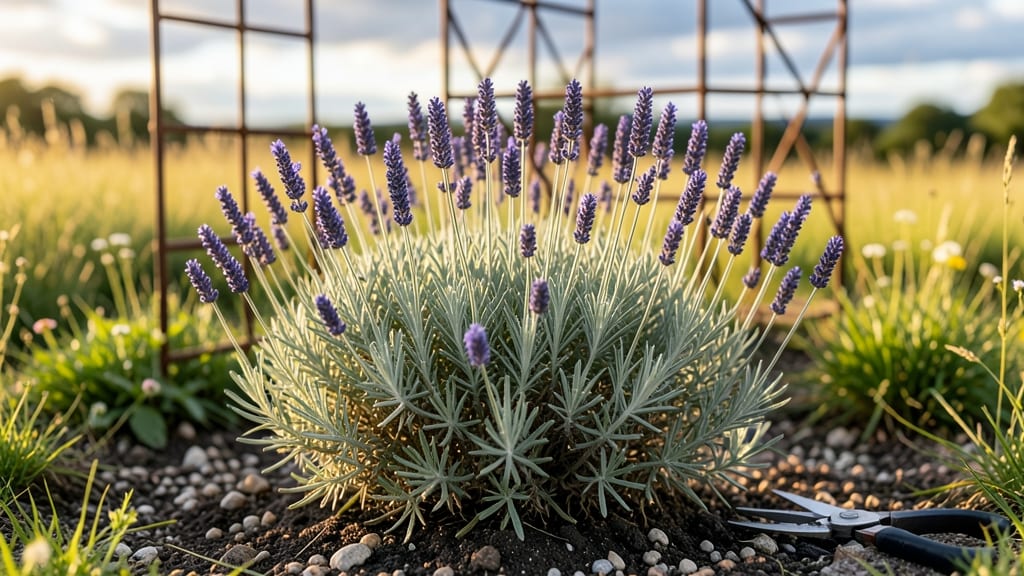
Lavender trees are perennials that thrive in Mediterranean climates, returning each year with proper care. Most varieties die back in cold winters but regrow from the base in warmer zones (5-9).
Lavender's perennial nature comes from its deep, woody root systems that store energy for regrowth. 🌿 Unlike annuals, these plants enter dormancy in winter but stay alive underground, ready to sprout when temperatures rise.
I’ve seen English lavender (Lavandula angustifolia) survive winters in zone 5 with proper mulching, while Spanish lavender (Lavandula stoechas) prefers milder zones (7-9). The key is protecting the base from freezing winds and ensuring well-draining soil—both critical for their longevity.
What sets lavender apart is its ability to rebloom year after year, provided you prune it correctly in late summer. This practice encourages bushier growth and prevents woody stems. I always remind gardeners that lavender’s "dieback" isn’t death—it’s just nature’s way of conserving energy until spring.
The right variety and care make all the difference in whether your lavender thrives or struggles.
💡 In This Article
- Lavender Growth Habits and Perennial Lifespan
- Best Climate Zones for Year-Round Lavender Cultivation
Lavender growth habits and perennial lifespan
Here's what's actually happening underground: lavender plants develop a robust, woody root system that stores carbohydrates and nutrients during dormancy. This root structure, often reaching 12-18 inches deep, acts like a natural battery, fueling regrowth when spring arrives.
The key is the plant's ability to enter a controlled dormancy state, where metabolic processes slow dramatically—similar to how deciduous trees survive winter but with a more compact, herbaceous structure. 🌱
The science behind lavender's perennial survival involves its specialized stem base called the crown, which contains meristematic tissue capable of producing new growth. English lavender (Lavandula angustifolia) can tolerate temperatures down to -15°F (-26°C) when properly established, thanks to its deep roots and thickened stems.
Spanish lavender (Lavandula stoechas), however, typically thrives in milder zones (7-9) because its stems are less woody and more prone to winter damage. The difference comes down to genetic adaptations—English lavender evolved in cooler Mediterranean highlands while Spanish lavender prefers coastal warmth.
What most people don't realize is that lavender's seasonal dieback isn't death—it's an energy conservation strategy. When temperatures drop below 40°F (4°C), the plant sheds its upper growth to reduce water loss, while the crown remains protected.
This is why you'll often see lavender appear "dead" in winter only to burst back with fresh growth by spring. Proper pruning in late summer (after blooming) is crucial because it removes old wood that would otherwise weaken the plant's ability to store energy for winter survival. 💡
Cold hardiness varies dramatically between species. For example, French lavender (Lavandula dentata) can handle zone 5 winters with 3-4 inches of mulch, while Portuguese lavender (Lavandula latifolia) prefers zones 6-8.
The critical factor is soil drainage—lavender roots rot quickly in soggy conditions, which is why raised beds or sandy soil is ideal. Even in cold climates, lavender can survive if protected from wind, which desiccates the crown during winter.
Pruning affects longevity by controlling the plant's energy allocation. When you shear back one-third of the plant in late summer, you encourage basal branching that produces more flowering stems the following year. This practice also prevents the development of woody stems that would make the plant less resilient.
I've seen lavender plants live for 10-15 years with proper care, though their vigor typically peaks around year 3-5 before gradually declining without rejuvenation pruning.
The secret to lavender's perennial success lies in its Mediterranean heritage. These plants evolved to survive hot, dry summers and mild winters—conditions that trigger their dormancy cycle.
When you mimic these conditions in your garden (full sun, well-draining soil, minimal winter moisture), you're essentially helping lavender return to its natural survival strategies. 🌿