
Flowers
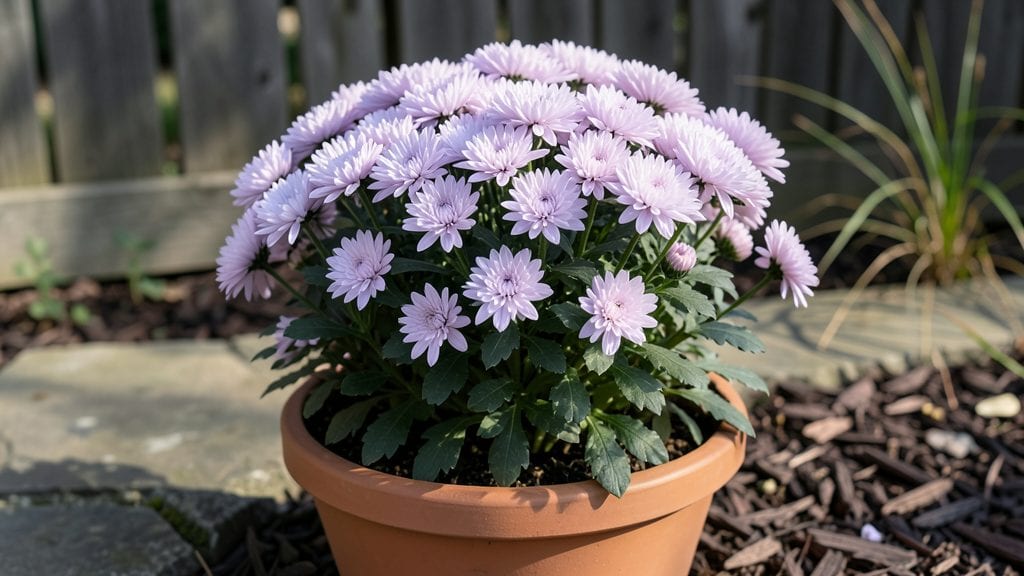
Pelee mums act as perennials only in Zones 7-9, where they reliably return each year with proper winter protection. Outside those zones, they behave as annuals, needing replanting annually for seasonal blooms.
Pelee mums get their reputation for reliability in warmer climates because they naturally enter dormancy when temperatures drop below 20°F. 🌿 In colder regions, their roots simply can't survive the harsh winter freeze, which is why gardeners in Zones 1-6 treat them like annuals.
The key difference lies in their cold tolerance—while they'll survive light frosts in Zone 7, anything colder typically kills them back to the ground.
What's interesting is how their growth habit changes: in perennial zones, they develop stronger root systems that regenerate each spring, while in annual zones, they focus all energy on summer blooms before dying back.
For those in marginal zones (like Zone 6), there are clever workarounds: lifting and storing tubers in dry peat moss or using thick mulch to simulate their natural dormancy.
I've seen gardeners in Zone 5 successfully overwinter them in unheated garages with surprising results—it's all about mimicking their ideal 60-70°F winter storage conditions. The tradeoff? More effort for potentially fewer blooms, but the payoff of returning plants can make it worth the extra care.
💡 In This Article
- Pelee Mums Lifespan in Different Climates
- Extending Pelee Mum Seasonality: Annual vs. Perennial Care
Pelee mums lifespan in different climates
Here's what's actually happening with Pelee mums when temperatures drop: their perennial nature hinges on a delicate balance between cold tolerance and dormancy triggers. These chrysanthemums evolved in temperate zones where winter temperatures rarely fall below 20°F for extended periods.
When exposed to prolonged cold (15°F or lower), their cells begin freezing, causing irreversible damage to the tuberous roots that store nutrients for regrowth.
The science behind this is fascinating - their root systems contain high concentrations of starches that convert to sugars during cold exposure, but only up to a point before cellular membranes rupture.
The key difference between perennial and annual behavior comes down to their hardiness ratings. Pelee mums in Zones 7-9 can handle 10-15°F dips because they've developed thicker root crowns through multiple growing seasons. In contrast, plants in Zones 3-6 face -10°F to -30°F winters that simply overwhelm their natural defenses.
What's interesting is their bloom cycle: perennial mums in warm zones actually form stronger root systems each year, while annual versions focus all energy on summer flowering before dying back. The visual difference is striking - perennial plants develop more robust foliage and larger blooms over time.
What most people don't realize is how their dormancy patterns differ by climate zone. In Zone 8, mums naturally enter a light dormancy when nights drop to 50°F, while in Zone 7 they need more protection.
The critical threshold is 28°F - below this for more than 48 hours, even perennial mums will suffer significant dieback. This is why gardeners in marginal zones (6-7) often see their plants "come back" but with fewer blooms - they've survived but not thrived.
The root systems weaken each year without proper winter protection.
There's also a fascinating seasonal adaptation: mums in colder zones actually flower more prolifically as annuals because they've never developed the energy-draining perennial root systems. Their entire lifecycle becomes focused on summer blooming. The tradeoff is that these annual versions often produce smaller flowers compared to their perennial counterparts.
For example, a well-established perennial mum in Zone 8 might produce 30-40 blooms per plant, while an annual in Zone 5 might only yield 15-20 due to the energy diverted to root development in warmer climates.
One surprising fact about their cold tolerance is how quickly they respond to temperature changes. Mums can actually sense approaching frost through changes in photoperiod (day length) and begin preparing for dormancy 6-8 weeks before the first freeze.
This built-in mechanism helps explain why they sometimes survive unexpected cold snaps in marginal zones. The downside? This early preparation can make them more vulnerable to late spring frosts when they begin regrowth.
In Zone 6, I've seen mums emerge too early in April only to be nipped by 25°F nights, setting back their blooming by 4-6 weeks.
The most reliable way to determine if your mums will behave as perennials is to track your lowest winter temperatures. If you consistently stay above 20°F with only brief dips below, you're in the perennial sweet spot. Below 15°F regularly, and they'll struggle.
The good news? Even in colder zones, with proper overwintering techniques, you can coax them to return year after year - it just takes more effort to mimic their ideal growing conditions.