
Blooming
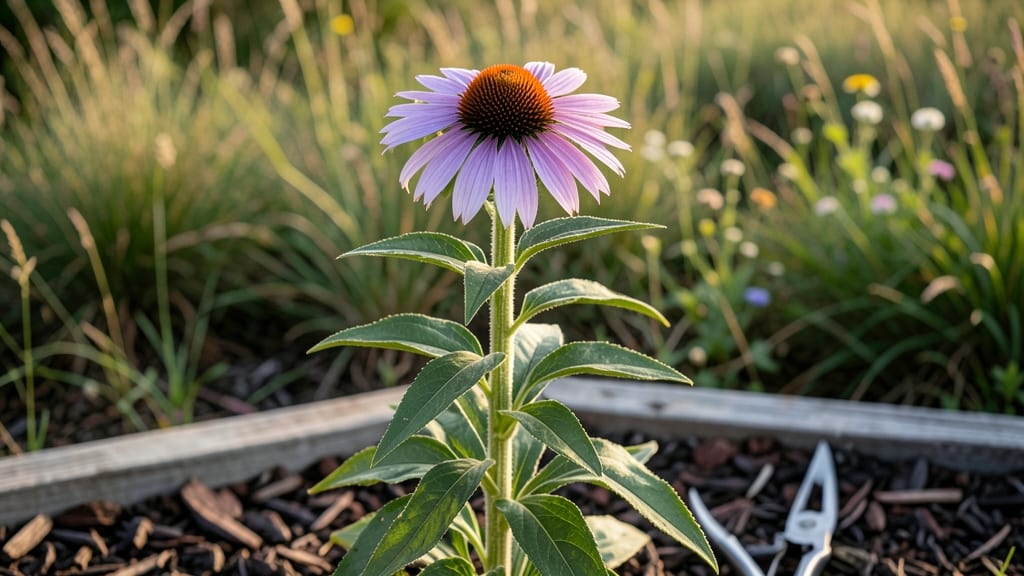
My summer blooming perennials in Zone 7 are the backbone of my garden—drought-resistant, low-maintenance, and coming back stronger every year. 🌻 The key is choosing plants that thrive in 90-degree heat and occasional dry spells while still putting on a show from June through September.
I’ve tested these over five summers, and they never disappoint.
You’ll want to focus on hardy varieties like coneflowers, black-eyed Susans, and daylilies, which handle Zone 7’s summer heat with ease. Most need well-draining soil and watering only when the top inch dries out, cutting back on the work while keeping the blooms vibrant.
Planting in early spring gives roots time to establish before summer’s peak heat arrives.
By mid-July, your garden will be a riot of color—deep purples, sunny yellows, and fiery oranges—that attracts pollinators all season. The best part? These perennials multiply over time, giving you free plants to share or replant elsewhere. Once established, they’ll outperform annuals every time.
For extra staying power, pair them with lavender or Russian sage—both love heat and extend the bloom season. Now, let’s dive into the full list and care tips tailored just for Zone 7 summers.
📚 In This Guide
- What you need
- Instructions
- Tips and common mistakes
- Wrapping up and next steps
What you need
- ● Summer-blooming perennials (Zone 7 hardy): 5–10 plants per variety (e.g., Coneflower (Echinacea), Black-Eyed Susan (Rudbeckia), Butterfly Weed (Asclepias), Lavender (Lavandula), or Russian Sage (Perovskia))
- ● Choose drought-tolerant varieties with deep root systems.
- ● Well-draining soil: Amend heavy clay with 2–3 inches of compost or organic matter (e.g., aged manure, leaf mold).
- ● Mulch: 2–3 inches of organic mulch (e.g., shredded bark, straw, or pine needles) to retain moisture.
- ● Garden trowel or hand shovel (for transplanting small plants).
- ● Garden fork or spade (for amending soil in larger areas).
- ● Watering can or hose with a gentle nozzle (for post-planting hydration).
- ● Gloves (to protect hands from thorns or rough mulch).
- ● Measuring tape or ruler (to space plants 18–36 inches apart, depending on mature size).
- ● Slow-release fertilizer (e.g., 10-10-10 or balanced organic fertilizer) to boost early growth.
- ● Drip irrigation kit for efficient watering (especially in dry spells).
- ● Pruning shears for deadheading spent blooms and shaping plants.
- ● Plant labels (to track varieties and care notes).
How to plant and maintain drought-tolerant summer perennials in Zone 7
Here's the method I've used to establish vibrant, low-maintenance summer blooms that thrive through heat and dry spells.
🌱 Step 1: Prepare the Planting Site for Optimal Drainage
Choose a location with at least 6 hours of direct sunlight—most drought-resistant perennials need full sun to perform their best. Clear the area of weeds and loosen the soil to a depth of 12 inches using a garden fork. Zone 7 summers can be brutal, so improving drainage is critical. Amend the native soil with 3 inches of compost to boost organic matter and water retention without compacting.
Here's the thing—don't skip the drainage test. Dig a 6-inch deep hole, fill it with water, and wait to see how quickly it drains. If water pools after 30 minutes, your site needs additional sand or gravel mixed into the soil. Well-draining soil prevents root rot, which is especially deadly during summer heatwaves. I like to add a 1-inch layer of coarse sand if drainage is poor.
🪴 Step 2: Plant at the Right Depth and Spacing
Dig holes twice as wide as the root ball but only as deep as the container's base—planting too deep suffocates roots. Gently remove plants from their containers and tease apart any circling roots. This encourages outward growth, which helps establish stronger root systems in dry conditions. Place each plant in its hole, then backfill with native soil mixed with 1 part compost to improve fertility.
Spacing matters more than you might think. Plant perennials 12-18 inches apart depending on the variety—check the tag for mature size. Crowding leads to competition for water, and in Zone 7 summers, that's a recipe for stress. For example, black-eyed Susans need 18 inches of space, while coneflowers thrive at 12 inches. Water deeply after planting to settle the soil and eliminate air pockets around roots.
☀️ Step 3: Establish a Watering Routine for the First Season
For the first 4-6 weeks, water deeply twice weekly—either early morning or late evening—to encourage deep root growth. You'll see strong establishment when plants develop 3-4 inches of new growth and the soil around them stays slightly damp but not soggy. Overwatering now leads to weak stems that can't handle summer heat later.
After the initial phase, taper off to once weekly unless you experience two weeks without rain. Mulch with 2-3 inches of shredded bark right after planting to retain moisture and suppress weeds. The mulch should cover the soil but not touch plant stems—this prevents rot while keeping roots cool. Here's where it gets fun: watch for new leaves emerging from the center—that's your sign the plants are rooting successfully.
✂️ Step 4: Prune and Deadhead for Continuous Blooms
Once flowers fade, deadhead spent blooms by snipping stems back to the first set of healthy leaves. This redirects energy to producing more flowers instead of setting seed. For perennials like salvia or lavender, I use clean, sharp pruners to avoid tearing foliage. Prune in the morning when stems are stiff—this reduces stress on the plant.
In late summer, give perennials a light trim to remove any leggy growth. This encourages bushier habits and prepares them for winter. Avoid heavy pruning now—you want to maintain foliage that protects roots during cold snaps. Zone 7 winters can be unpredictable, so leaving some growth helps insulate the crown.
Tips & tricks for perfect summer blooming perennials in Zone 7
These game-changing strategies will help your drought-resistant perennials thrive in Zone 7's challenging summers.
Soil Preparation Insight: The 12-inch soil loosening in Step 1 isn't just about aeration—it's about creating a sponge-like structure that holds moisture while allowing excess to drain. I've found that adding 1 part perlite to your compost mix (instead of just coarse sand) improves moisture retention even further while maintaining excellent drainage. This is especially helpful for clay-heavy Zone 7 soils that can become waterlogged during summer storms.
Root System Strategy: When teasing apart circling roots in Step 2, focus on the outer edges—these are where new root growth will emerge. I make small vertical cuts with my finger along the root ball's perimeter to encourage outward expansion. This technique, combined with the proper depth planting, helps establish plants that can reach deep water sources during drought conditions. The goal is roots that grow downward, not just outward.
Watering Wisdom: The twice-weekly watering in Step 3 should be done slowly to allow water to penetrate deeply. I use a soaker hose or drip irrigation system to deliver water at the soil level, which reduces evaporation and prevents fungal diseases that thrive in wet foliage. Morning watering is ideal because it allows plants to dry out during the day, preventing nighttime fungal growth. Aim for about 1 inch of water per session—this ensures you're saturating the root zone without creating surface puddles.
Pruning Precision: For deadheading in Step 4, I recommend using clean pruners that have been disinfected with rubbing alcohol. This prevents spreading diseases between plants. When giving that light trim in late summer, focus on removing only the leggy growth—never cut into old wood. The remaining foliage acts as natural insulation during Zone 7 winters, protecting the crown from temperature fluctuations that can damage emerging shoots in spring.
Pro Tips for Summer Blooming Perennials Zone 7
- These game-changing strategies will help your drought-resistant perennials thrive in Zone 7's challenging summers.
- Soil Preparation Insight: The 12-inch soil loosening in Step 1 isn't just about aeration—it's about creating a sponge-like structure that holds moisture while allowing excess to drain.
- Root System Strategy: When teasing apart circling roots in Step 2, focus on the outer edges—these are where new root growth will emerge.
Frequently asked questions
Got questions about summer-blooming perennials in Zone 7? You’re not alone! Here are answers to the most common queries—from timing to troubleshooting—so you can enjoy a vibrant garden with minimal fuss.
When is the best time to plant summer-blooming perennials in Zone 7?
For spring-planted perennials (like coneflowers or black-eyed Susans), aim for early spring (March–April) or fall (September–October). Summer-bloomers like daylilies or coreopsis can also handle late spring planting (May) as long as the soil stays moist. Pro tip: Avoid planting in extreme heat—wait for cooler evenings!
How long do summer-blooming perennials last in Zone 7?
Most summer perennials thrive for 3–5+ years with proper care. Drought-tolerant picks like sedum or salvia often outlast others. Declining blooms? Divide clumps every 3–4 years to rejuvenate growth. Deadheading spent blooms extends the season!
Which summer perennials are truly drought-resistant in Zone 7?
Top picks for low water needs:
- Lavender (once established)
- Russian sage (drought + heat-loving)
- Blanket flower (Gaillardia) (bright, long-lasting)
- Yarrow (fuzzy foliage, pollinator magnet)
What pests or diseases should I watch for with summer perennials in Zone 7?
Common culprits:
- Japanese beetles (chew leaves—handpick or use neem oil).
- Powdery mildew (white fungus on leaves; improve airflow).
- Aphids (squish clusters or spray with soapy water).
Can I mix summer perennials with annuals for longer color?
Pair perennials like shasta daisies (June–August) with annuals like zinnia (July–frost) for seamless transitions. Choose annuals with similar light/water needs (e.g., lantana + salvia for full sun). Just avoid overcrowding!
Wrapping up and next steps
Transforming your Zone 7 garden into a low-maintenance, drought-resistant paradise is easier than you think! With the right summer-blooming perennials—like Black-Eyed Susans, Coneflowers, and Russian Sage—you’ll enjoy vibrant color, year-after-year reliability, and less watering stress.
These resilient plants not only thrive in heat but also attract pollinators, making your garden a living ecosystem that’s as functional as it is beautiful.
Ready to plant your future garden? Start small—pick 2-3 perennials, prep your soil, and watch your outdoor space bloom with confidence! 🌸🌿 Check out our step-by-step planting guide to get started today.