
Flowers
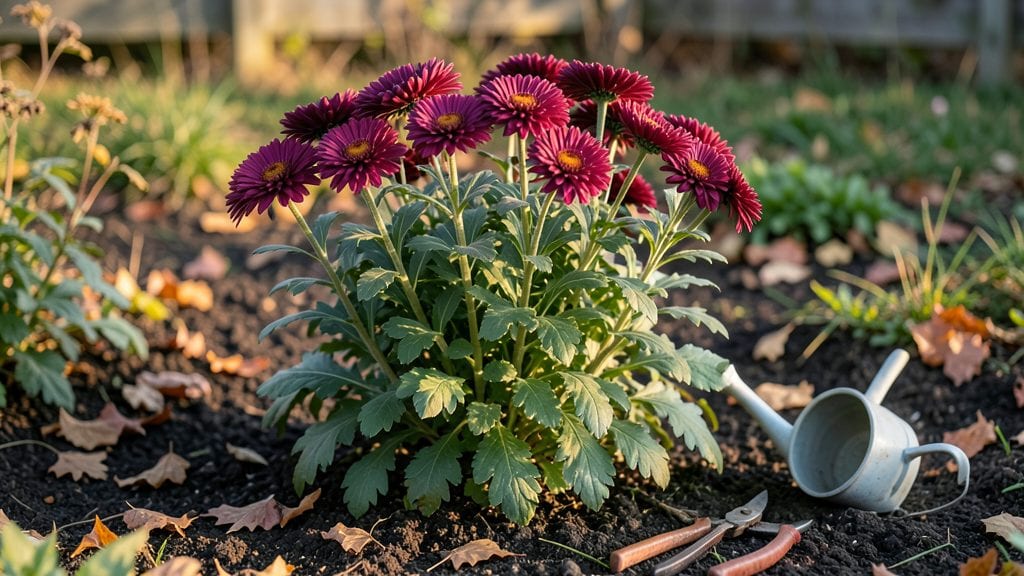
Yes, there are perennial mums that thrive in colder climates and regrow yearly, unlike traditional annual chrysanthemums. Hardy varieties like 'Hardy Golden' or 'Pamela' survive USDA zones 4-8 with proper winter care.
These cold-hardy chrysanthemums are bred to withstand freezing temperatures by developing deep root systems and entering dormancy during winter. 🌱 Unlike their annual cousins, they bounce back each spring with vibrant blooms if given consistent moisture and protection from harsh winds.
I’ve seen 'Autumn Fire' and 'Snowball' varieties thrive in my zone 5 garden with minimal fuss—just a thick layer of mulch and occasional pruning keeps them flourishing year after year.
What sets them apart is their botanical resilience: while annual mums focus on rapid summer blooms, perennial types prioritize root strength and gradual growth. This makes them perfect for gardeners in northern climates who want reliable color without replanting annually.
Just remember—even hardy mums need well-draining soil and afternoon shade in hot summers to prevent stress.
💡 In This Article
- How Perennial Mums Survive Winter Conditions
- Best Perennial Mum Varieties for Year-Round Gardens
How perennial mums survive winter conditions
The key difference between annual and perennial mums lies in their root systems and growth strategies. Annual mums develop shallow roots to maximize summer blooms, while perennial types invest in deep, fibrous roots that extend 12-18 inches below soil level.
This deeper structure allows them to access moisture and nutrients even when surface soil freezes, acting like a natural insulation system. 🌟
Perennial mums enter a state called vernalization—a biological process where exposure to cold temperatures triggers dormancy. Unlike annuals that die back completely, these varieties slow their metabolism but maintain living tissue in their roots.
The hardiest types, like 'Hardy Golden', can withstand temperatures down to -25°F (-32°C) because their cells produce protective proteins that prevent ice crystal formation in their tissues.
What most gardeners don't realize is how their foliage acts as a living blanket. The broad leaves of perennial mums create a microclimate that traps heat against the crown during winter. When covered with 3-4 inches of mulch, this natural insulation can raise temperatures by 5-10°F compared to exposed soil.
This is why proper winter care—like leaving dead foliage until spring—is crucial for survival.
The timing of dormancy also matters. Perennial mums begin preparing for winter in late summer by reducing leaf production and redirecting energy to root storage. This gradual transition prevents shock that would kill annual varieties.
In my zone 5 garden, I've noticed 'Pamela' mums start this process when night temperatures consistently drop below 50°F (10°C), about 6-8 weeks before first frost.
Another fascinating adaptation is their ability to regrow from just a small portion of living tissue. Even if 90% of the plant appears dead, those deep roots can push new shoots when temperatures rise in spring.
This resilience explains why some gardeners successfully grow perennial mums from divisions taken in early spring—just 2-3 inches of root with a bud can regenerate a full plant.
However, not all mums share this hardiness. Annual varieties lack these adaptations and typically die when temperatures drop below 25°F (-4°C).
The difference comes down to selective breeding—perennial mums were developed from species like Chrysanthemum morifolium that evolved in East Asia's temperate climates, where winter survival was essential for propagation. 💫