
Plants
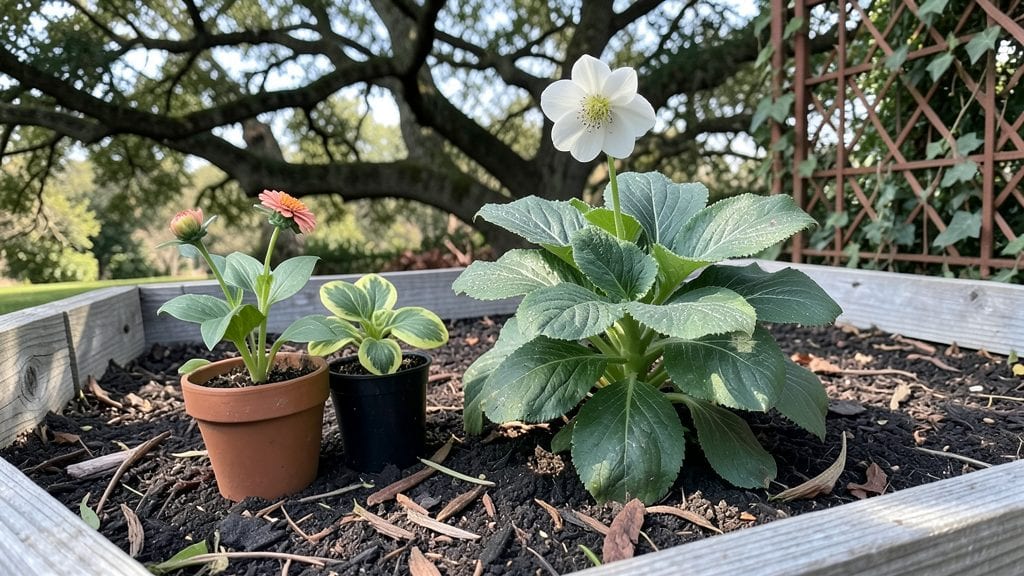
Annuals like marigolds or sunflowers thrive on speed—they focus all their energy on rapid growth, flowering, and seed production within months. 🌱 This single-season commitment makes them perfect for quick color bursts in gardens, but their fleeting nature means you'll need to replant each year.
Perennials, however, play the long game with deep root systems that store nutrients, allowing them to bounce back stronger after winter dormancy.
Understanding these differences helps gardeners plan strategically. Annuals work well for seasonal displays or filling gaps, while perennials build soil health and provide year-after-year structure. The key is matching each plant's natural rhythm to your gardening goals—whether you're chasing instant impact or sustainable beauty.
💡 In This Article
- Lifespan and Growth Cycle of Annual vs Perennial Plants
- Gardening Strategies for Annual and Perennial Plant Care
Lifespan and growth cycle of annual vs perennial plants
Annual plants like marigolds or zinnias follow a biological clock that triggers their entire life cycle—from seed germination to flowering and seed production—in just one growing season. This rapid development is driven by their genetic programming to maximize reproduction before winter kills them.
The trade-off? They invest heavily in seed production rather than root development, which is why you'll often see annuals bolt (send up flower stalks) quickly after just 6-8 weeks of growth, especially in warm climates.
The key mechanism here is their determinate growth habit—annuals grow to a set size, then shift energy entirely to reproduction. Take sunflowers: they can reach 10 feet tall in a single season, but their root systems rarely exceed 2-3 feet deep.
Compare this to perennials like peonies, whose roots spread 3-4 feet wide over years, storing energy in thick rhizomes that survive winter. This root system allows perennials to regenerate above-ground growth each spring from the same biological foundation.
Perennials like hostas or lavender use a different survival strategy: they prioritize building robust root systems during their first growing season, then enter dormancy when temperatures drop.
The roots act as biological batteries, storing starches and sugars that fuel next year's growth. 🌿 What's fascinating is how some perennials, like asparagus, can take 2-3 years before producing edible shoots—this is their roots establishing dominance.
The trade-off is longevity: a well-established peony can live for 50+ years, while an annual's entire existence spans just months.
Seasonal cues trigger these cycles. Annuals respond to daylight length and temperature shifts that signal "reproduce now"—think of how impatiens flower nonstop from spring until frost. Perennials, meanwhile, have evolved to sense chilling hours (like 500-1,000 hours below 40°F) that break dormancy.
This is why some perennials bloom earlier in colder climates: their roots have "remembered" the winter chill they need to wake up.
Climate plays a surprising role in blurring these lines. In tropical regions, plants that behave like annuals in temperate zones (like sweet peas) may become perennials. The opposite happens in short growing seasons: some perennials (like delphiniums) act more like biennials, flowering in their second year before dying.
This adaptability shows how these growth patterns are more about environmental timing than rigid biology.
Here's what this means for gardeners: Annuals deliver instant gratification with vibrant blooms, while perennials offer patience-rewarded reliability. The choice often comes down to whether you want to replant every year or invest in long-term garden structure.
For example, marigolds (annuals) deter pests all season, while Russian sage (perennial) provides 10+ years of purple spikes with minimal effort after establishment.