
Flowers
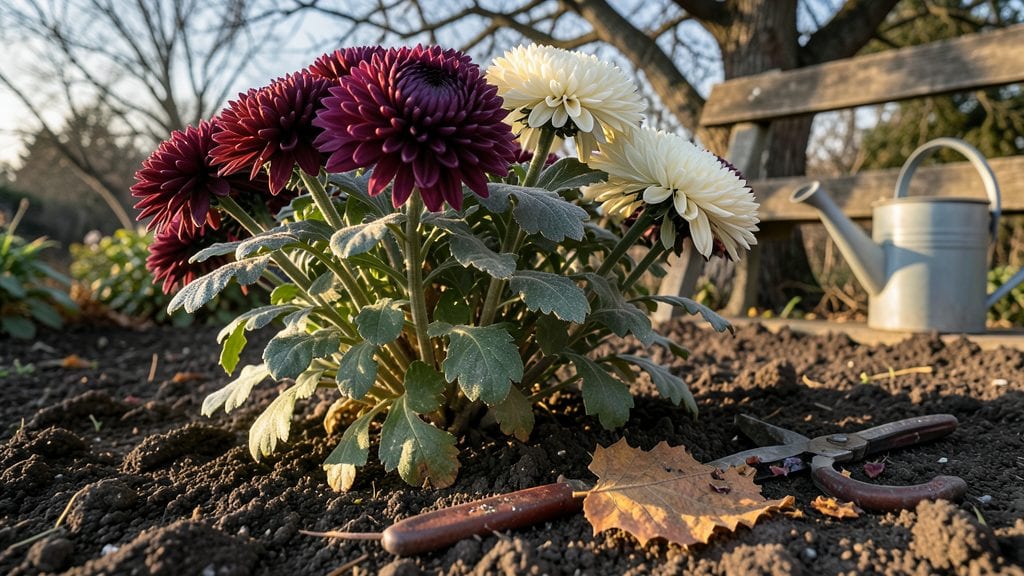
Fall mums are not perennials in most climates—they thrive as annuals or short-lived perennials, typically lasting only one season unless grown in USDA zones 7-9, where they may rebloom with proper care. Their lifespan depends heavily on winter hardiness and post-bloom maintenance.
Fall mums are often treated as seasonal plants because their roots struggle with freezing temperatures.
In colder zones, they simply won't survive winter's chill, which is why most gardeners plant them fresh each fall. 🌸 The key to extending their life lies in proper care after blooming—cutting back stems and insulating the soil can sometimes coax them back in milder winters, but it's not guaranteed.
I've seen gardeners in zone 8 keep their mums for years by treating them like perennials, but it takes patience and the right conditions.
What many don't realize is that even in favorable zones, these plants need consistent attention to thrive. The difference between a one-season show and a repeat performer often comes down to how you handle them after their first big bloom.
Proper overwintering techniques—like mulching heavily and protecting from harsh winds—can make all the difference in whether your mums return next year.
💡 In This Article
- Fall Mum Hardiness Zones and Winter Survival Tips
- How to Overwinter Fall Mums for Repeat Blooms
Fall mum hardiness zones and winter survival tips
Fall mums (Chrysanthemum × grandiflorum) are tender perennials with roots that struggle below 20°F. Their natural growing range is USDA zones 5-9, but their ability to survive winter depends on both zone and specific variety.
The key factor is their root system—when temperatures drop below 28°F for extended periods, the roots freeze and die back, killing the plant. This is why they're treated as annuals in zones 1-6, where winter temperatures routinely fall below these thresholds.
Here's what's actually happening in colder zones: The crown (where stems meet roots) is the most vulnerable part. When soil temperatures drop below 25°F, the cells in the crown begin to rupture, cutting off nutrient flow to the roots.
Some varieties, like 'Bonanza' or 'Mediterrranean', have slightly better cold tolerance but still won't survive harsh winters without protection. In contrast, zone 7-9 gardeners can treat them as perennials because winter lows rarely drop below 10°F, giving the plants a fighting chance.
What most people don't realize is that timing matters just as much as temperature. Planting mums too early in zones 6-7 can expose them to early fall frosts, while late-summer planting (after August 15) gives roots less time to establish before winter.
The ideal window is 6-8 weeks before first frost, allowing roots to develop a 4-6 inch depth—this depth provides better insulation against freezing. Container-grown mums also have an advantage because you can move them to protected spots before cold snaps.
Cold-hardy varieties like 'Dynasity' or 'Bright Lights' can sometimes survive zone 6 winters with proper care, but they still need insulation. The secret weapon is mulching: Applying 4-6 inches of straw or shredded leaves after the first frost creates an insulating blanket that can raise soil temperatures by 5-10°F.
This extra warmth is often enough to protect the crown from fatal freezing. I've seen gardeners in zone 6 keep mums for 2-3 years using this method, though it's not a guarantee for extreme winters.
For gardeners in transition zones (6-7), container growing offers the most flexibility. Potted mums can be moved to unheated garages or wrapped in burlap when temperatures drop below 32°F.
The key is to keep the soil from freezing completely—even a 1-inch layer of mulch on container soil can make the difference between survival and death. Some varieties, like 'Coca' series, are bred for better cold tolerance but still require these protective measures in marginal zones.
One common misconception is that all mums are created equal when it comes to cold hardiness. In reality, there's a 10°F difference in tolerance between the coldest-hardy varieties and heat-loving types. For example, 'Mediterrranean' series can handle 15°F dips, while 'Dynasity' varieties may survive 20°F with protection.
This variation explains why some gardeners in zone 6 have success while others don't—it's not just about the zone, but the specific cultivar and how well you prepare it for winter.
Remember: Even in favorable zones, proper post-bloom care determines whether your mums return next year. Cutting back stems to 2-3 inches after flowering and applying winter mulch creates the best conditions for spring regrowth.
The plants need this dormancy period to rebuild energy stores for next season's blooms. Without it, they'll struggle to rebound, even in zone 8 winters. 🌱