
Flowers
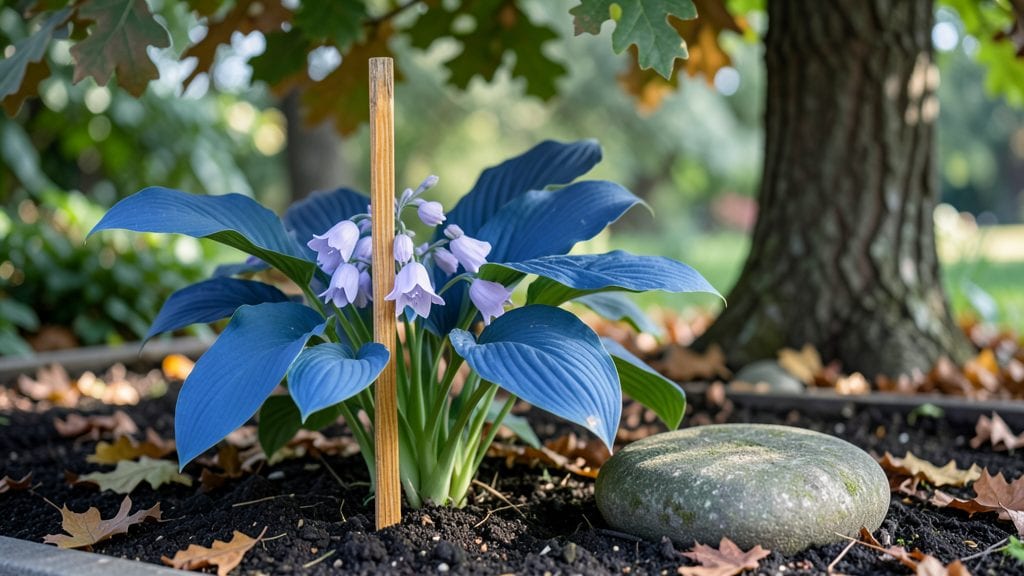
Choosing between annual and perennial flowers can make or break your garden’s year-round drama. 🌸 I’ve learned the hard way that mixing them strategically turns a seasonal flash into a nonstop show—think bold summer pops and winter structure from the same beds.
The secret isn’t picking one over the other, but layering them like a painter’s palette: perennials for the backbone, annuals for the wow factor.
Perennials are the workhorses—plant once, enjoy for years. My black-eyed Susans and coneflowers return every spring with zero effort, while annuals like marigolds or petunias deliver instant color but need replanting. The trick?
Use perennials in borders where they’ll spread naturally, then tuck annuals in containers or as fillers where you want seasonal swaps. Together, they create low-maintenance drama that keeps neighbors stopping to ask questions.
Here’s the magic: perennials handle the early spring and late fall interest, while annuals take over when summer heat sizzles. Pair salvia (perennial) with zinnias (annual) for a border that blooms from May until frost.
The result? A garden that feels alive year-round, not just a few peak weeks. Plus, you’ll spend less time deadheading and more time admiring.
This combo works for cottage gardens, modern borders, or even wildflower meadows—just adjust the ratios. Annuals shine in high-traffic spots where you want bold color shifts, while perennials anchor the design. Ready to design a garden that never takes a break? Let’s break down the best pairings for your space.
The first option explained
Option A: Annual Flowers 🌸✨
Annual flowers are the garden’s superstars of instant gratification—they bloom vibrantly in a single growing season, offering a dazzling display of color and texture from spring through fall (or even winter in mild climates).
Unlike perennials, they complete their entire life cycle—germination, growth, flowering, and seed production—within one year, then die off. But don’t let their short lifespan fool you: annuals are versatile powerhouses that can transform any space with minimal effort!
🌱 Key Characteristics
- Lifespan: Live, bloom, and set seed in one growing season (typically 90–180 days).
- Growth Speed: Fast-growing—many sprout and flower in weeks, perfect for quick color fixes.
- Variety: Thousands of species (e.g., marigolds, zinnias, petunias, sunflowers) in every hue and form.
- Cold Hardiness: Most cannot survive freezing temps; plant after the last frost in your zone.
- Seed Production: Many self-seed or produce seeds for next year’s garden (e.g., cosmos, snapdragons).
🌟 Top Benefits
- Instant Impact: Fill gaps, hide bare soil, or create stunning borders fast—ideal for renters or seasonal gardens.
- Design Flexibility: Mix heights, textures, and colors for showstopping arrangements (think: cottage gardens, container displays, or cutting gardens).
- Pollinator Magnet: Many (like lavender or sunflowers) attract bees, butterflies, and hummingbirds relentlessly.
- Low Maintenance: Deadhead spent blooms to encourage nonstop flowering (e.g., geraniums, impatiens).
- Budget-Friendly: Seeds are cheap compared to perennial plants; bulk packs offer big bangs for your buck.
🏡 Typical Use Cases
| Scenario | Best Annual Picks | Why? |
|---|---|---|
| Container Gardens | Petunias, geraniums, bacopa | Compact growth and trailing habits spill beautifully over edges. |
| Cutting Gardens | Zinnias, sunflowers, snapdragons | Long stems and prolific blooms keep vases full for weeks. |
| Seasonal Borders | Marigolds, cosmos, alyssum | Self-seed easily, deter pests, and thrive in poor soil. |
| Pollinator Havens | Lantana, coneflowers (annual varieties), bee balm | Nonstop nectar = happy bees and butterflies! |
| Winter Interest (Mild Climates) | Pansies, violas, calendula | Cold-tolerant blooms add color when perennials nap. |
💡 Pro Tip: For year-round annuals, stagger plantings every 2–3 weeks. Start with cool-season varieties (e.g., snapdragons) in early spring, then swap for heat-lovers (e.g., zinnias) as temps rise. Boom—instant succession planting!
The second option explained
If you're dreaming of a garden that bursts with color every single year with minimal effort, perennial flowers are your secret weapon! 🌸 Unlike their annual counterparts, perennials return year after year, rewarding your patience with lush blooms and resilient growth.
Let’s dive into why perennials might be the perfect choice for your outdoor space.
🌱 Key Characteristics of Perennial Flowers
- Longevity: These hardy plants regrow from their roots each spring, often thriving for years (some even decades!).
- Seasonal Variety: Many perennials bloom in multiple seasons, offering a continuous display of color—think early spring daffodils followed by summer coneflowers.
- Low Maintenance: Once established, perennials require far less watering, fertilizing, and replanting than annuals.
- Drought Tolerance: Many perennials (like lavender or sedum) are drought-resistant, making them ideal for low-water gardens.
🌿 Top Benefits of Choosing Perennials
Perennials aren’t just low-maintenance—they’re also cost-effective and ecologically friendly. Here’s why gardeners swear by them:
- Save Money: Plant once, enjoy blooms for years—no need to repurchase seeds or seedlings annually.
- Supports Pollinators: Many perennials (e.g., bee balm, black-eyed Susans) attract bees, butterflies, and hummingbirds all season long.
- Soil Health: Their deep root systems improve soil structure and prevent erosion over time.
- Year-Round Interest: Even when not in bloom, perennials often offer textural foliage, seed heads, or winter stems for year-round appeal.
🌺 Ideal Use Cases for Perennial Flowers
Perennials shine in any garden style, from cottage gardens to modern landscapes. Here’s where they excel:
| Garden Style | Best Perennial Picks | Why They Work |
|---|---|---|
| Wildflower Meadows | Coneflowers, Russian sage, goldenrod | Drought-tolerant and low-maintenance, perfect for naturalized spaces. |
| Cottage Gardens | Peonies, hollyhocks, delphiniums | Romantic, tall blooms that return every year with bold color. |
| Pollinator Gardens | Milkweed, purple coneflower, lavender | Attract bees, butterflies, and birds while thriving in sunny spots. |
| Container Gardens | Dwarf daylilies, heuchera, ornamental grasses | Compact and versatile, perfect for patios or balconies. |
Pro Tip: 💡 Pair perennials with complementary annuals for gaps in early or late seasons—like planting annual marigolds near late-blooming perennials to extend your color show!
Key differences
🌱 Lifespan & Growth Cycle
Annual flowers complete their entire life cycle—from seed to bloom to seed—in just one growing season. They burst into color quickly but fade away as temperatures drop, requiring replanting each spring. Think of them as the "fireworks" of the garden: dramatic, fleeting, and full of energy.
Perennials, on the other hand, are the marathon runners of the floral world. They return year after year, often growing stronger with age. While they may take 1-2 seasons to establish and reach full bloom, they reward you with low-maintenance, long-term beauty.
Some even thrive in cold winters, like peony or black-eyed Susan.
🌿 Planting & Maintenance Effort
Annuals demand more upfront effort but offer quick gratification. You’ll spend time planting, deadheading (removing spent blooms), and often replanting in fall for winter color. However, their predictable growth makes them ideal for seasonal displays or filling gaps in perennial beds.
Perennials are the set-it-and-forget-it champions. After the initial planting and first-year care, they require minimal intervention—just occasional pruning and division every few years to keep them healthy. Pro tip: 💡 Mulching perennials in fall helps protect roots and reduces spring cleanup!
🌸 Color & Seasonal Impact
Annuals are the showstoppers of seasonal color. They offer bold, vibrant hues in every color of the rainbow, often blooming nonstop from spring to frost. Varieties like petunias or marigolds ensure your garden stays lively and eye-catching all summer long.
Perennials provide structured, layered beauty with a longer bloom window. While they may not outshine annuals in sheer volume, they deliver sequential blooms—think tulips in spring, coneflowers in summer, and chrysanthemums in fall. Plus, many perennials offer foliage interest even when not in bloom!
💰 Cost & Long-Term Value
Annuals can be budget-friendly upfront, especially if you start from seeds. However, their yearly replanting costs add up over time. If you love variety and don’t mind seasonal swaps, annuals are a cost-effective way to experiment with new colors and textures.
Perennials are the smart investment for patience. While initial costs (especially for established plants) may be higher, their multi-year lifespan saves money in the long run. Bonus: 🌡️ Many perennials are drought-tolerant once established, reducing water bills!
🐛 Pest & Disease Resistance
Annuals are generally low-maintenance in terms of pests because they’re short-lived. However, their rapid growth can attract aphids or whiteflies, especially in crowded beds. Rotating annual varieties yearly can help prevent soil-borne diseases.
Perennials often develop natural resistance over time, but some (like peonies) are prone to botrytis blight or powdery mildew in humid climates. Pro tip: ✨ Space perennials properly and ensure good airflow to minimize issues!
When to choose which
Choosing between annual and perennial flowers depends on your garden’s goals, time commitment, and design vision. Here’s how to decide when each is the better fit:
🌱 Go Annual When...
- You want bold, seasonal color. Annuals like petunias or marigolds deliver instant impact and can be swapped out for seasonal trends (think sunflowers in summer or poinsettias for winter cheer).
- Your garden is new or temporary. Annuals thrive in containers, raised beds, or rental properties where long-term planting isn’t practical.
- You love variety. Annuals offer endless color palettes—plant different varieties each year to keep your garden feeling fresh!
- You’re okay with replanting. If deadheading and replacing spent blooms feels like a chore, annuals let you refresh effortlessly with minimal upkeep.
🌿 Pick Perennials When...
- You crave low-maintenance beauty. Perennials like coneflowers or black-eyed Susans return year after year with zero replanting—just divide them every few years!
- Your garden is established. Perennials build soil health over time and create natural layers in your landscape (think hostas under clematis vines).
- You love wildlife. Many perennials (e.g., bee balm, lavender) attract pollinators season after season.
- You’re planning for the long haul. Perennials offer cost-effective color—plant once, enjoy for decades!
💡 Pro Tip: Mix both! Use annuals for hot spots (like a front porch) and perennials as foundation plants (e.g., borders or woodland edges). This gives you flexibility + structure in one garden!
The bottom line
So, whether you’re dreaming of bold, seasonal bursts of color 🌸 or low-maintenance, long-lasting blooms 🌿, the choice between annuals and perennials comes down to your garden’s personality and your gardening goals. Need quick, vibrant transformations? Annuals are your go-to. Craving resilience and year-after-year beauty? Perennials win the race.
Mix and match for the perfect balance—plant annuals for instant impact and perennials for structure and endurance. Happy gardening! 🌱✨