
Flowers
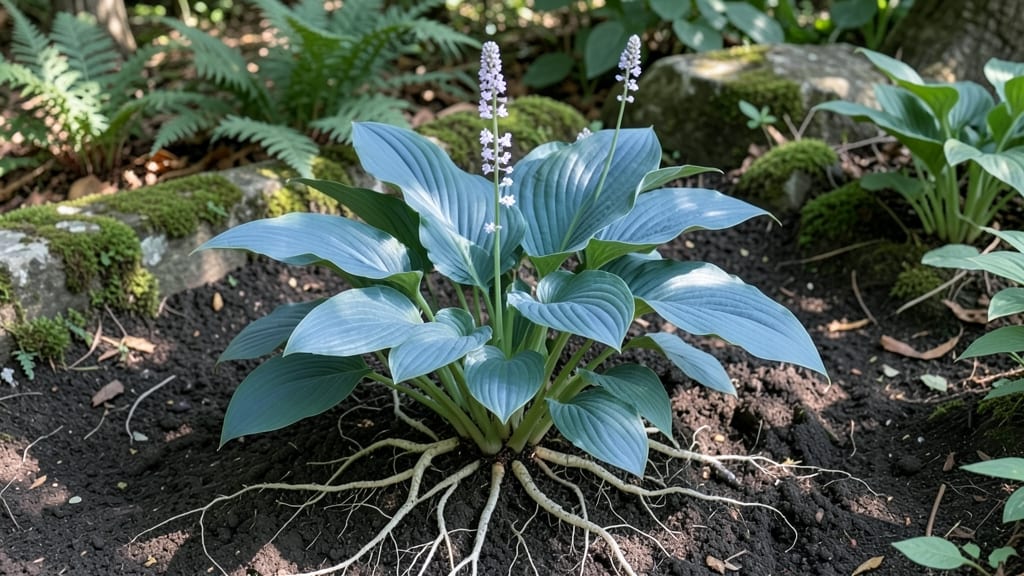
Understanding annual and perennial flowers definition reveals their core difference: annuals thrive for just one growing season, producing dramatic blooms before dying, while perennials regrow each year from established roots, often maturing stronger with age. This fundamental contrast shapes how you design and maintain your garden.
Annual flowers deliver immediate color bursts but require yearly replanting, making them perfect for seasonal accents or filling gaps in perennials' early growth phases. 🌸 Meanwhile, perennials build deeper root systems over time, creating hardier plants that return with bigger blooms annually.
This biological difference means perennials typically demand less upkeep after establishment, while annuals offer more flexibility for quick garden transformations.
For gardeners, this distinction translates directly to planning: annuals excel in high-visibility spots where you want frequent color changes, while perennials form the backbone of long-term landscapes. Many successful gardens combine both types strategically—using annuals to bridge perennials' dormant periods or highlight specific features.
💡 In This Article
- Life Cycle Differences Between Annuals and Perennials
- Gardening Strategies for Mixing Annuals and Perennials
Life cycle differences between annuals and perennials
Here's what's actually happening at the biological level: annual flowers complete their entire life cycle—from seed to flower to seed production—in just one growing season, typically lasting 6-12 months depending on the species.
Their energy is focused entirely on rapid growth and reproduction, often developing shallow root systems that maximize nutrient absorption during their brief lifespan. For example, marigolds and zinnias produce thousands of seeds in a single season, ensuring their genetic legacy continues.
The key factor is their energy allocation strategy. Annuals invest heavily in seed production rather than structural growth, which is why they often have delicate stems and shorter lifespans.
Perennials, on the other hand, prioritize root development first, creating extensive underground networks that store nutrients and water for future seasons. 🌱 Consider peonies: their roots can grow up to 3 feet deep, allowing them to survive droughts and cold winters that would kill annuals.
This root system also enables perennials to produce larger, more robust blooms each year as they mature.
Climate zones dramatically influence these growth patterns. In colder regions (USDA zones 3-5), many annuals like pansies complete their life cycle before winter, while perennials like coneflowers enter dormancy, storing energy in their roots until spring.
The science behind this involves photoperiodism—the plant's response to daylight length—which triggers flowering in annuals when days shorten, while perennials use temperature cues to time their dormancy periods. This is why some perennials bloom early in spring (like bleeding hearts) while others wait until late summer (like black-eyed Susans).
Seasonal blooming habits reveal another critical difference. Annuals often produce continuous flowers throughout their growing season, creating non-stop color displays. Perennials typically have one main blooming period, though some like salvia rebloom with proper care. The trade-off?
Annuals require complete replanting each year, while perennials establish themselves over time, often becoming more vigorous with each passing season. This is why established perennial gardens can look spectacular with minimal maintenance after the initial planting phase.
What most people don't realize is how these life cycles affect pollinator ecosystems. Annuals provide crucial early-season nectar sources when perennials are still dormant, while perennials offer late-season support when annuals have completed their cycles.
This complementary relationship explains why diverse gardens with both types support healthier pollinator populations throughout the entire growing season. The combination creates what botanists call "temporal niche partitioning"—different species filling ecological roles at different times.
Consider this practical example: in a zone 7 garden, you might plant cosmos annuals in spring for summer color, knowing they'll die back by fall.
Meanwhile, your daylily perennials planted the previous year will produce even larger blooms in summer, then go dormant in winter, only to re-emerge stronger in spring. This synergy creates a garden that's both beautiful and resilient throughout the year.