
Flowers
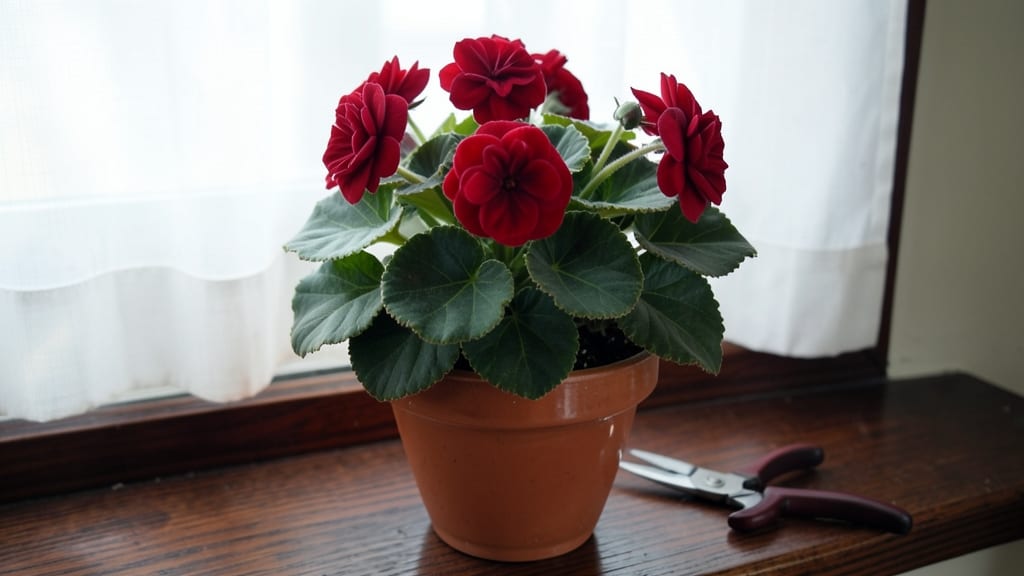
Wax begonias are annual or perennial depending on your climate—most gardeners treat them as annuals, but they can live year-round in frost-free USDA zones 11-12. Their longevity hinges on temperature resilience, light exposure, and proper care, with indoor growing being the key to extending their life past summer.
Wax begonias thrive as perennials only in warm climates because their delicate roots and foliage can't survive freezing temperatures. 🌿 In colder regions, frost kills them quickly, forcing gardeners to replant each year. The secret to beating this limitation?
Moving them indoors before the first frost—where you can control light and humidity to mimic their natural growing conditions. I've kept mine alive for years by placing them near south-facing windows and using grow lights during shorter winter days.
What many don't realize is that even in warm zones, proper care makes all the difference. These plants love bright, indirect light and high humidity—similar to their tropical origins. A simple pebble tray with water underneath the pot can work wonders for maintaining that ideal environment.
The trade-off? They'll need regular pruning to encourage bushier growth and prevent legginess during indoor winters.
💡 In This Article
- Climate Zones That Determine Wax Begonia Lifespan
- Year-Round Wax Begonia Care for Indoor Gardens
Climate zones that determine wax begonia lifespan
Wax begonias originate from tropical regions where temperatures rarely drop below 50°F, making them highly sensitive to cold. Their thick, waxy leaves and tender stems evolved to thrive in warm, humid environments—any exposure to 32°F or lower triggers cellular damage through ice crystal formation in their tissues.
In USDA zones 11-12, where winter temperatures stay above 40°F, these plants naturally enter a perpetual growth cycle without stress, allowing them to live as perennials.
The key difference between annual and perennial growth lies in their root systems. Wax begonia roots contain minimal starch reserves compared to hardier perennials like hostas, which store energy for regrowth after dormancy.
When frost hits, their roots freeze and rot within 24-48 hours, cutting off the plant's ability to recover.
Even a light frost can cause leaf blackening and stem collapse—visible signs of irreversible damage. 🌡️ In contrast, tropical perennials like hibiscus share this frost sensitivity, while cold-hardy plants like pansies develop protective mechanisms like antifreeze proteins in their cells.
Temperature fluctuations also disrupt their natural growth rhythms. Wax begonias prefer consistent warmth (ideal range: 65-75°F), and sudden drops below 55°F trigger stress responses that weaken their immune system. This makes them vulnerable to fungal infections like powdery mildew, which thrive in cooler, damp conditions.
The plant's metabolic rate slows dramatically below 60°F, halting photosynthesis and nutrient uptake—similar to how citrus trees struggle in cooler climates. This physiological shutdown explains why gardeners in colder zones must treat them as annuals.
Interestingly, some gardeners in marginal zones (like USDA zone 10) have successfully overwintered wax begonias by creating microclimates. Using 10-inch-deep containers with heat mats set to 65°F and placing pots in insulated greenhouses can protect roots from temperature swings.
The science here involves maintaining root-zone warmth while keeping foliage exposed to cooler air—similar to how citrus trees are grown in Mediterranean climates. This approach mimics their natural tropical understory habitat where roots stay warm from decomposing leaf litter.
Light exposure plays an equally critical role in their perennial potential. Wax begonias require 12-14 hours of bright, indirect light daily to maintain their vibrant foliage.
In winter months with shorter daylight, indoor grow lights (full-spectrum LEDs) become essential to prevent etiolation—where stems elongate and leaves pale in search of light. The trade-off? Without proper light, even warm-climate plants will decline within 8-12 weeks, regardless of temperature.
This explains why indoor cultivation often extends their life beyond outdoor seasons in warm zones.
What most gardeners overlook is the plant's natural dormancy cycle. While wax begonias don't enter true dormancy like bulbs, they do experience growth slowdowns in cooler months.
In ideal tropical conditions, they maintain steady growth year-round, but in marginal zones, even a 5°F nighttime drop can trigger leaf drop as a survival mechanism. This adaptive response helps conserve energy but ultimately leads to plant death if temperatures remain low. 🌱 The solution?
Moving them indoors before the first frost allows you to control these variables precisely, effectively creating a perpetual growing season.