
Blooming
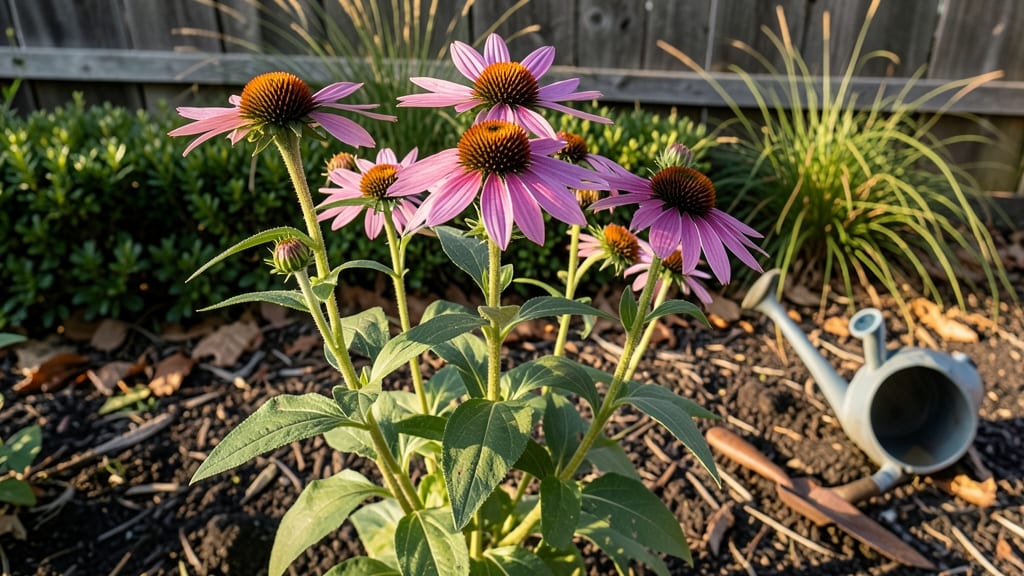
Tall long-blooming perennials transform any garden into a vertical masterpiece that never stops showing off. ✨ I used to struggle with summer slumps—until I swapped short-lived annuals for these stunners that keep blooming from early June through frost.
The difference? A garden that feels like it’s always in peak season, with dramatic height and color that draws the eye upward.
These plants aren’t just pretty—they’re the backbone of layered designs. Picture 5- to 7-foot stalks of hydrangeas or coneflowers framing a cottage-style border, or sleek grasses like Miscanthus adding modern structure to a contemporary layout.
They thrive in full sun to part shade, and their deep root systems outcompete weeds naturally. The key is pairing them with shorter perennials like black-eyed Susans or Russian sage to create that lush, cascading effect.
You’ll end up with gardens that bloom longer, support more pollinators, and require less deadheading. Imagine pink hydrangeas fading into purple coneflowers, then goldenrod taking over as summer winds down—all while butterflies and bees flit between them.
The best part? These perennials come back bigger and better every year, turning your yard into a four-season showstopper with minimal effort.
Works for any style—whether you’re going for wild cottage charm or clean modern lines. Here’s how to pick, place, and pair them for maximum drama without the fuss.
📚 In This Guide
- What you need
- Instructions
- Tips and common mistakes
- Wrapping up and next steps
What you need
- ● Tall, long-blooming perennial plants: 3–5 mature plants (e.g., Delphinium, Hollyhock, Foxglove, or Joe Pye Weed) – Choose varieties that reach 4–6 feet tall for maximum impact.
- ● Well-draining soil: 5–10 cubic yards (or enough to fill your planting area to a depth of 12–18 inches). Mix in compost or aged manure (1–2 bags per 5 sq. ft.) for nutrients.
- ● For heavy clay soil, amend with perlite or coarse sand (1 part perlite to 3 parts soil).
- ● Organic mulch: 2–3 inches of shredded bark, straw, or wood chips (1–2 bags per 10 sq. ft.) to retain moisture and suppress weeds.
- ● Watering system: Drip irrigation kit (with soaker hoses or emitters) or a garden hose with adjustable nozzle.
- ● Water storage (5–10 gallon watering can or barrel) for hand-watering.
- ○ Plant supports (optional but recommended):strong> Stakes or trellises (3–5 per plant, 5–6 feet tall) for tall varieties like Delphinium or Hollyhock.
- ● Floating row covers (if planting in early spring to protect from pests).
- ● Garden trowel or hand shovel for transplanting.
- ● Pruners or shears (sterilized with rubbing alcohol) for trimming.
- ● Garden gloves (heavy-duty for thorny plants like Rose of Sharon).
- ● Wheelbarrow or garden cart for hauling soil/mulch.
- ● Measuring tape to ensure proper spacing (18–36 inches apart, depending on plant size).
- ○ pH test kit (optional but helpful—aim for 6.0–7.0 for most perennials).
- ● 🌡️ Check hardiness zones: Ensure your perennials thrive in your USDA Zone (3–10 for most tall varieties).
- ● ✨ Group by height: Place tallest plants (back) and shorter perennials (front) for a layered look.
- ● 🔥 Fertilize lightly: Use a balanced 10-10-10 fertilizer at planting, then again in early spring.
How to design a stunning vertical garden with tall, long-blooming perennials
Here's the system I use to create dramatic vertical displays that bloom season after season.
🌿 Step 1: Select the Right Perennials for Height and Bloom Duration
For a truly impressive vertical garden, focus on perennials that exceed 4 feet in height and produce flowers for at least 6 weeks or more. My top choices are Shasta daisies (Leucanthemum × superbum), Joe Pye weed (Eutrochium purpureum), and Russian sage (Perovskia atriplicifolia). These varieties not only reach impressive heights but also develop strong root systems that anchor them well in vertical planters.
I always check the mature height and bloom time on the plant tag before purchasing. For example, Shasta daisies typically grow 2-3 feet tall with 8-10 week bloom cycles, while Russian sage can soar to 5 feet and flower for 10+ weeks. Planting a mix ensures continuous vertical interest from early summer through fall.
🪴 Step 2: Prepare Containers and Soil for Vertical Growth
Use deep planters (12-18 inches deep) with sturdy sides to support the weight and height of mature perennials. I prefer fabric grow bags because they allow excess moisture to evaporate while providing excellent root support. Fill each container with a well-draining potting mix—I blend 40% premium potting soil, 30% perlite, and 30% compost to create a light, airy medium that prevents root rot.
Before planting, I always add a 2-inch layer of expanded shale at the bottom of each container to improve drainage. This prevents waterlogging, which is critical for tall perennials that can develop heavy tops. The shale also helps maintain the planter's structural integrity over time.
☀️ Step 3: Plant and Stake for Structural Support
Dig a hole twice as wide as the root ball and place each perennial in the center of the container. Space plants 12-18 inches apart to allow for mature growth without crowding. I use a wooden dowel or bamboo stake inserted 6 inches deep next to each plant to provide early support. For taller varieties like Russian sage, I install a 3-foot tall decorative trellis or metal cage immediately after planting to guide their upward growth.
Fill the hole with soil and press gently to eliminate air pockets. Water deeply until moisture runs out the drainage holes—this helps settle the soil and encourages root expansion. I always water from the bottom first to prevent displacing the plant.
💧 Step 4: Water and Fertilize for Continuous Blooms
Tall perennials need consistent moisture, especially during their first growing season. Water deeply 2-3 times per week until the top 2 inches of soil feel dry. I use a soaker hose to deliver water slowly at the base, which reduces evaporation and prevents fungal issues. Mulch the soil surface with 2 inches of shredded bark to retain moisture and suppress weeds—this is especially important in vertical planters where soil dries out faster.
Feed plants every 4-6 weeks with a balanced, slow-release fertilizer (10-10-10). For extended bloom cycles, I switch to a phosphorus-heavy formula (5-10-5) during flowering to encourage more abundant blooms. Always water before fertilizing to prevent root burn.
✂️ Step 5: Prune and Maintain for Year-Round Vertical Impact
Deadhead spent blooms weekly to encourage continuous flowering. For perennials like Shasta daisies, I cut back one-third of the foliage in early fall to promote bushier growth the following season. With Russian sage, I only remove dead stems in late winter—its silvery foliage adds winter interest.
Check stakes and supports monthly to ensure they remain secure. Tall perennials can become top-heavy, especially after heavy rains. If you notice leaning or instability, add additional support or redistribute the soil slightly to stabilize the plant.
Tips & tricks for perfect vertical perennial gardens
Creating a stunning vertical garden with tall, long-blooming perennials requires attention to detail—here's what I've learned to make it thrive.
Plant Selection Strategy: When choosing perennials like Shasta daisies or Russian sage, prioritize plants with mature heights exceeding 4 feet and bloom cycles of at least 6 weeks. I always verify the plant tag for exact dimensions—some garden centers mislabel plants, and you'll end up with disappointing heights. For vertical displays, focus on varieties with sturdy stems that can handle wind exposure without flopping.
Container Stability: The 12-18 inch depth requirement isn't just about root space—it's about structural support. I've seen many vertical gardens fail because the containers couldn't handle the weight of mature Russian sage (which can reach 5 feet!). For extra stability, consider adding a support frame around your fabric grow bags before planting. This prevents tipping during heavy rains or when you need to access the plants.
Watering Technique: The 2-3 times per week watering schedule works best when combined with the soaker hose method. I've found that watering from the bottom first (as instructed) prevents soil erosion in vertical planters, but I add an extra step: I let the water run for 10-15 minutes to ensure complete saturation. This prevents the top layer from drying out too quickly, which is especially important in hot climates where vertical gardens dry out faster than ground-level plantings.
Fertilizer Timing: The switch to phosphorus-heavy fertilizer (5-10-5) during flowering is crucial for continuous blooms, but timing matters. I apply this fertilizer when I first notice buds forming, not when flowers are already open. This ensures the plant has the nutrients it needs to produce more blooms rather than just maintaining existing ones. I've seen gardens where this timing was off, and the plants produced fewer but larger flowers instead of the continuous display we want.
Pro Tips for Tall Long Blooming Perennials
- Creating a stunning vertical garden with tall, long-blooming perennials requires attention to detail—here's what I've learned to make it thrive.
- Plant Selection Strategy: When choosing perennials like Shasta daisies or Russian sage, prioritize plants with mature heights exceeding 4 feet and bloom cycles of at least 6 weeks.
- Container Stability: The 12-18 inch depth requirement isn't just about root space—it's about structural support.
Frequently asked questions
Got questions about keeping your garden tall, lush, and in bloom for months? You’re not alone!
Here are answers to the most common queries about tall long-blooming perennials—so you can plan with confidence and troubleshoot like a pro.
Which tall perennials bloom the longest?
Look for reliable repeat bloomers like Shasta daisies (June–October), Black-eyed Susans (July–frost), Coneflowers (summer–fall), and Russian sage (July–October). For year-round interest, pair them with evergreens like Heuchera or Ornamental grasses (e.g., Miscanthus). Pro tip: Deadhead spent blooms to extend their season!
When is the best time to plant tall perennials for maximum blooms?
Plant in early spring or fall (4–6 weeks before frost) to give roots time to establish. Spring planting lets them settle before summer heat, while fall planting avoids drought stress. Avoid transplanting in peak summer—roots can dry out or overheat. Divide clumps every 3–4 years in early spring to rejuvenate growth!
How do I keep tall perennials from flopping over?
Flopping happens when stems can’t support heavy blooms. Stake them early with invisible bamboo stakes or tomato cages for a natural look. For windy areas, plant near a fence or wall. Prune lower leaves to improve airflow and reduce weight. Water deeply at the base (not overhead) to strengthen stems.
Can I grow tall perennials in hot, dry climates?
Choose drought-tolerant varieties like Lavender, Salvia (e.g., Salvia nemorosa), or Yucca. Mulch heavily (3–4 inches) to retain moisture, and water deeply but infrequently (1–2 times/week). Morning sun is ideal—avoid harsh afternoon heat. Group plants with similar needs to create microclimates.
What do I do if my tall perennials stop blooming?
Common causes: over-fertilizing (too much nitrogen = leafy growth, no flowers), poor sunlight (6+ hours/day needed), or root-bound plants. Solution:
- Switch to low-phosphorus fertilizer (e.g., 5-10-10) in early spring.
- Move to sunnier spot if possible.
- Divide crowded clumps every 3–4 years.
- Check for pests/disease (e.g., powdery mildew on roses).
Wrapping up and next steps
Transforming your garden into a year-round vertical stunner is easier than you think! Tall, long-blooming perennials like Hollyhocks, Delphiniums, and Black-Eyed Susans add drama, texture, and color while requiring minimal fuss.
Whether you're a seasoned gardener or just starting, these plants bring effortless elegance and season-long beauty—perfect for borders, cut flowers, or bold focal points.
Ready to elevate your garden? Start small—pick one or two varieties that thrive in your climate, then expand as you grow! 🌸 With the right care, your vertical garden will be the talk of the neighborhood—and you’ll be the green thumb behind it.