
Size
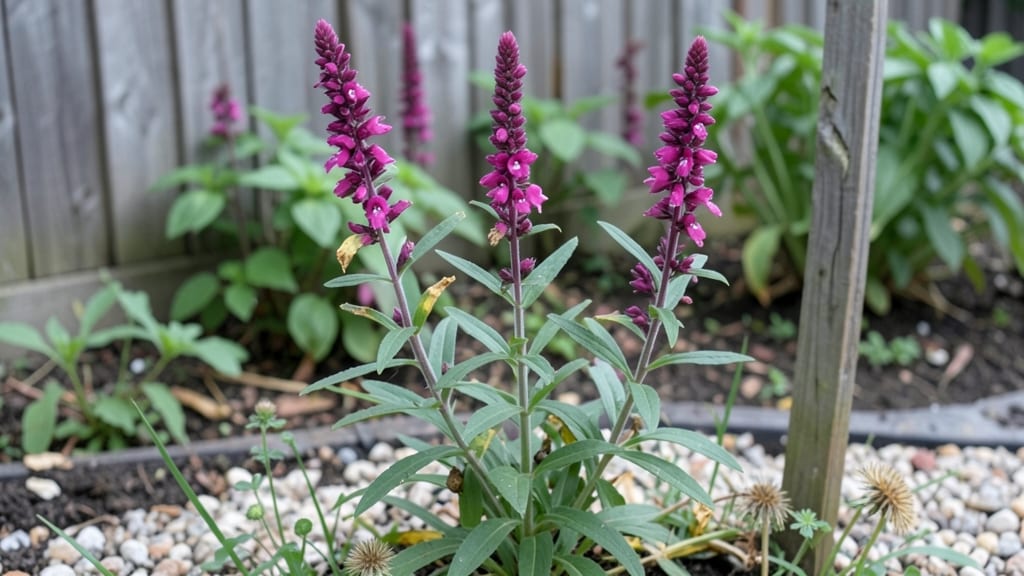
Tall white perennial plants transform any garden into a serene, high-impact statement with almost no effort. ✨ I’ve designed borders and focal points using these giants for years, and they never fail to draw the eye—whether it’s the airy plumes of Culver’s Root or the velvety blooms of Giant Fleece Flower.
The secret isn’t fussing; it’s letting them grow tall and proud while pairing them with the right neighbors.
These plants thrive in full sun to partial shade, with most needing just moderate watering once established. They’ll reach 4 to 6 feet tall, making them perfect for the back of beds or as standalone sentinels.
My favorite combo? Planting White Bee Balm alongside deep purple salvias—the contrast is electric, and the pollinators can’t resist.
You’ll get summer-to-fall blooms that last for weeks, with some varieties even offering winter interest through seed heads or evergreen foliage. The best part? They spread slowly, so you won’t wake up to a jungle. Just cut back in early spring, and they’ll bounce back stronger than ever.
Works in cottage gardens, modern landscapes, or even as a dramatic entryway. Here’s how to arrange them for maximum impact—without the upkeep of annuals.
📚 In This Guide
- What you need
- Instructions
- Tips and common mistakes
- Wrapping up and next steps
What you need
- ● Tall white perennial plants: 1–3 Cimicifuga racemosa (Bugbane) – 2–4 ft tall
- ● 1–2 Ligularia dentata (Bigleaf Ligularia) – 3–5 ft tall
- ● 1 Helleborus niger (Christmas Rose) – 12–18 in tall (for contrast)
- ○ 1 Asclepias tuberosa (Butterfly Weed) – 2–3 ft tall (optional for pollinators)
- ● Soil amendments: 5–10 lbs compost or well-rotted manure
- ● 1–2 lbs organic mulch (e.g., shredded bark or straw)
- ● Watering supplies: Garden hose with adjustable nozzle (or a watering can for precision)
- ○ Drip irrigation kit (optional, for consistent moisture)
- ● Digging tools: 1 garden trowel (for small roots)
- ● 1 garden fork or spading shovel (for amending soil)
- ● Planting aids: 1 measuring tape (to space plants 18–36 in apart)
- ● 1 gloves (to protect hands from thorns or soil)
- ○ Optional (but helpful!): Soil pH tester (aim for 6.0–7.0 for most perennials)
- ● Stakes or plant supports (if needed for windy areas)
- ● A sunny to partially shaded spot (6+ hours of light for most tall perennials)
- ● Well-draining soil (amend clay soil with sand or perlite if needed)
- ● Patience! Some perennials take 1–2 years to reach full height and bloom.
How to plant and maintain striking tall white perennials
Here’s the straightforward approach I’ve used to keep bold white perennials thriving for years with minimal effort.
🌱 Step 1: Select and Prepare the Planting Site
Tall white perennials like white bee balm, tall garden phlox, or white foxglove need full sun to partial shade (at least 6 hours of sunlight daily) and well-draining soil. I always test soil drainage by digging a 6-inch hole, filling it with water, and checking if it drains within 30 minutes. If not, amend with 3 inches of compost to improve aeration.
Choose a spot with 4-6 feet of vertical clearance—these plants grow tall and need space to avoid flopping. I mark the planting area with stakes to visualize the mature spread, especially for clump-forming varieties like white hellebore or white asters. Avoid low-lying areas where water pools after rain.
🪴 Step 2: Plant Bare-Root or Container-Grown Perennials
For bare-root plants, soak the roots in lukewarm water for 1 hour before planting to rehydrate them. Dig a hole twice as wide as the root ball but only as deep as the top of the root crown—burying too deep suffocates the plant. Gently loosen roots if they’re circling tightly.
For container-grown plants, remove them from the pot and tease apart roots that have spiraled around the container. Place the plant in the hole so the top of the root ball sits level with the surrounding soil. Fill the hole with native soil mixed with 1 part compost, pressing lightly to eliminate air pockets. Water deeply until soil is moist 6 inches down.
☀️ Step 3: Mulch and Water for Establishment
Spread 3 inches of organic mulch (like shredded bark or straw) around the base, keeping it 2 inches away from the stem to prevent rot. Mulch retains moisture and suppresses weeds, which is critical during the first 30 days when roots establish. I use drip irrigation set to deliver ½ gallon per plant weekly during dry spells.
Water deeply every 2-3 days until new growth appears (usually 4-6 weeks). Overhead watering can cause fungal issues, so I water at the base in the early morning to allow foliage to dry before nightfall. Avoid wetting the leaves of white foxglove, as it’s prone to powdery mildew in humid conditions.
✂️ Step 4: Prune and Divide for Longevity
In early spring, cut back dead or damaged stems to 2 inches above the ground before new growth starts. For white bee balm, I shear spent blooms back by ⅓ to encourage a second flush of flowers. Never remove more than ⅓ of the plant’s foliage at once, or you’ll stress it.
Divide clump-forming perennials like white phlox or hellebore every 3-4 years in early spring or fall. Dig up the entire plant, separate the clumps with a clean knife, and replant the healthiest divisions. This rejuvenates growth and prevents overcrowding, which weakens stems and reduces flowering.
🌿 Step 5: Overwinter for Year-Round Beauty
In Zone 5-7, protect tender perennials like white foxglove with a 4-inch layer of mulch after the first frost. I wrap young plants with burlap to shield them from harsh winds. Hardy perennials like white asters need no extra care—their woody stems act as natural insulation.
In late winter, remove old mulch and check for dormant buds at the base of stems. Prune back any blackened or mushy growth with sterilized shears to prevent disease spread. Fertilize lightly with balanced 10-10-10 in early spring to fuel new growth without overstimulating foliage at the expense of flowers.
Tips & tricks for perfect tall white perennial plantings
These simple yet game-changing strategies will help your tall white perennials thrive with minimal fuss—just like my garden does after years of trial and error.
Soil Drainage is Non-Negotiable: That 30-minute drainage test in Step 1 is critical—poor drainage leads to root rot, which can kill your plants within weeks. If your soil doesn't drain properly, mix in 3 inches of compost and consider adding perlite or coarse sand for better aeration. I've lost three batches of white foxglove to soggy soil, so trust me on this.
Root Rehydration Matters: The 1-hour soak for bare-root plants isn't just about hydration—it's about waking up dormant roots. Gently swish the roots in lukewarm water to remove any soil clumps, then plant immediately after soaking. For container-grown plants, tease those spiraled roots apart with your fingers—they'll thank you with stronger establishment.
Mulch Placement Precision: Keeping that 3-inch layer of mulch 2 inches away from stems prevents rot while still protecting roots. I use straw mulch because it breaks down slowly and doesn't compact like wood chips. During the critical first 30 days, check mulch moisture weekly—it should stay slightly damp but not soggy.
Pruning Timing is Everything: That early spring pruning window in Step 4 is your chance to shape the plant's future. For white bee balm, I shear back by ⅓ after the first flush of flowers to encourage a second bloom cycle. Never prune more than ⅓ of the foliage at once—this prevents shock and maintains the plant's energy reserves for next year's growth.
Pro Tips for Tall White Perennial Plants
- These simple yet game-changing strategies will help your tall white perennials thrive with minimal fuss—just like my garden does after years of trial and error.
- Soil Drainage is Non-Negotiable: That 30-minute drainage test in Step 1 is critical—poor drainage leads to root rot, which can kill your plants within weeks.
- Root Rehydration Matters: The 1-hour soak for bare-root plants isn't just about hydration—it's about waking up dormant roots.
Frequently asked questions
Got questions about adding tall white perennial plants to your garden? You’re not alone! Here are some of the most common queries—and their no-fuss answers to help you get started.
What are the easiest tall white perennials for beginners?
Start with White Wood Aster (Eurybia divaricata) or White Bee Balm (Monarda fistulosa). Both thrive in partial sun, need minimal care, and bloom reliably. Joe Pye Weed (Eutrochium purpureum) is another hardy pick—tough, drought-tolerant, and pollinator-friendly!
When is the best time to plant tall white perennials?
Plant in early spring (after the last frost) or early fall (6–8 weeks before your first frost). This gives roots time to establish before extreme temperatures. Avoid summer planting—heat stress can stunt growth. Pro tip: Amend soil with compost for a smoother transition!
How do I keep tall white perennials from flopping over?
Flopping happens when stems get top-heavy! Stake them early (use bamboo stakes or spiral supports) or plant in clumps for natural support. Prune spent blooms to encourage bushier growth. For Joe Pye Weed, try a ring of gravel at the base to weigh down stems.
Are tall white perennials good for pollinators?
Many, like White Coneflower (Echinacea purpurea) and White Milkweed (Asclepias tuberosa), attract bees, butterflies, and hummingbirds. Bee Balm is a magnet for pollinators—just avoid pesticides! For extra impact, pair with purple or pink perennials to create a vibrant contrast.
How do I protect tall white perennials in winter?
Most tall white perennials are cold-hardy, but a 3-inch layer of mulch (straw or shredded leaves) insulates roots. For tender varieties (like White Hollyhock), wrap stems in burlap or use frost cloth. Pro tip: Avoid heavy mulch—it can suffocate roots in wet climates.
Wrapping up and next steps
Tall white perennial plants are the ultimate low-maintenance, high-impact stars of any garden—offering year-round beauty with minimal effort. Whether you’re drawn to the bold stature of Rodgersia or the delicate charm of Astilbe, these plants bring structure, texture, and elegance without the fuss.
Now that you’re armed with the right knowledge, why not start planning your dream garden spot? Grab your gloves, pick your favorite variety, and let these tall beauties transform your outdoor space into a serene, white-hued sanctuary! 🌿✨