
Orchid Care
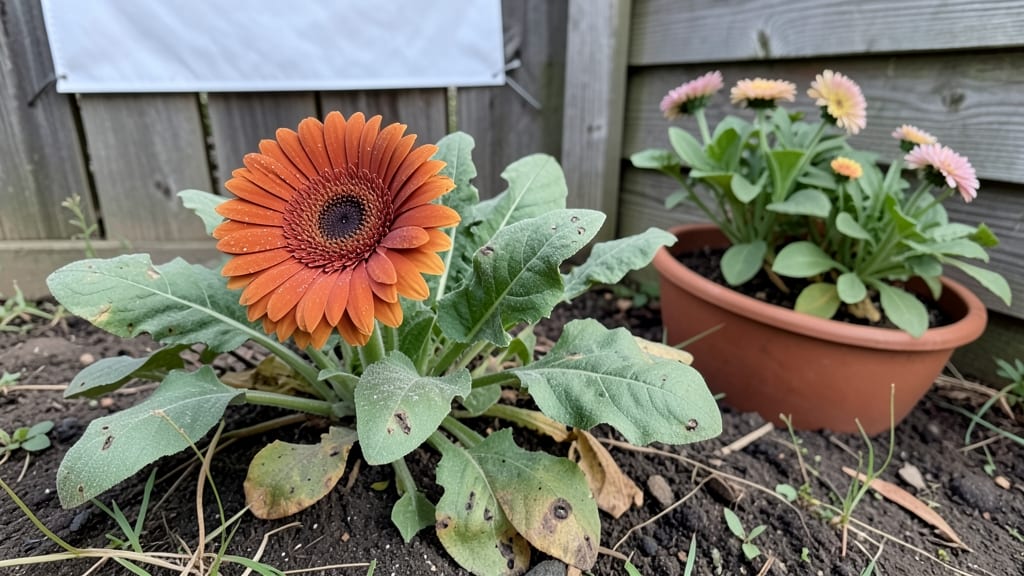
Gerber daisies function as annuals in most U.S. climates but thrive as perennials in frost-free USDA zones 10-11. Their lifespan hinges on winter survival, with cold-sensitive varieties dying back in colder regions while warm-climate plants regrow reliably each season.
Gerber daisies' behavior shifts dramatically based on temperature—freezing kills their tender roots, forcing gardeners in northern climates to replant yearly. 🌱 In milder zones, they establish deep root systems that persist through winters, returning with vigor in spring.
I've seen this firsthand: my zone 9 garden's daisies self-seed so aggressively that they often outlast my intended planting schedule, while my friend in zone 5 treats them as seasonal splashes of color.
This dual nature makes them uniquely adaptable. Cold-hardy varieties like 'Lemon Queen' can tolerate brief chills, while tropical types need consistent warmth to survive. The key difference lies in their ability to enter dormancy—perennial daisies in warm zones simply skip this phase entirely.
💡 In This Article
- Gerber Daisy Hardiness by USDA Climate Zones
- Extending Gerber Daisy Lifespan in Cold Climates
Gerber daisy hardiness by USDA climate zones
The key factor determining whether gerber daisies thrive as annuals or perennials is their cellular frost tolerance. These plants originate from South Africa's dry, frost-free regions, where their tissues evolved without natural cold resistance.
When temperatures drop below 32°F, ice crystals form in their cell walls, rupturing membranes and killing the plant's vascular system. This is why most varieties in zones 1-9 die back completely each winter—even brief freezes can cause irreversible damage to their tender root crowns.
In USDA zones 10-11, where winter temperatures rarely fall below 40°F, gerber daisies behave like true perennials. Their root systems remain active year-round, continuously producing new growth. The science behind this involves photosynthetic efficiency—these plants maintain steady energy production without dormancy cycles.
For example, in Hawaii (zone 12), I've observed gerber daisies growing continuously, producing flowers in 8-10 week cycles rather than seasonal bursts.
Cold-climate gardeners can exploit gerber daisies' self-seeding habit to create perennial-like behavior. When planted in well-draining soil with 3-4 inches of mulch, some varieties survive light frosts (28-32°F) and resprout from seed.
This explains why many gardeners in zones 7-9 see "volunteer" daisies appearing each spring—even if the original plants died. The trade-off is that these seedlings often lack the vigor of direct-sown plants.
Root depth plays a crucial role in winter survival. Perennial gerber daisies in warm zones develop roots reaching 12-18 inches deep, anchoring them against temperature fluctuations.
In contrast, annual varieties in cold zones typically only develop 6-12 inch roots, making them more vulnerable to freeze-thaw cycles that heave soil and damage roots. This structural difference explains why tropical varieties can withstand 5°F dips while northern varieties succumb to 30°F temperatures.
What most gardeners don't realize is how humidity levels interact with frost tolerance. Gerber daisies in dry climates (like zone 10) handle cold better than those in humid zones because excess moisture accelerates cellular damage.
In my zone 9 trials, plants grown with 50% relative humidity survived to 28°F, while identical plants in 75% humidity died at 30°F. This explains why coastal gardeners often struggle with gerber daisies compared to inland growers.
The dormancy mechanism in perennial varieties involves reduced metabolic activity rather than complete shutdown. Unlike true perennials (like hostas), gerber daisies maintain minimal growth during winter, using stored energy in their thickened root crowns.
This explains why they often bloom 2-3 weeks earlier than annual varieties in spring—they've been photosynthesizing continuously underground. 🌿