
Flowers
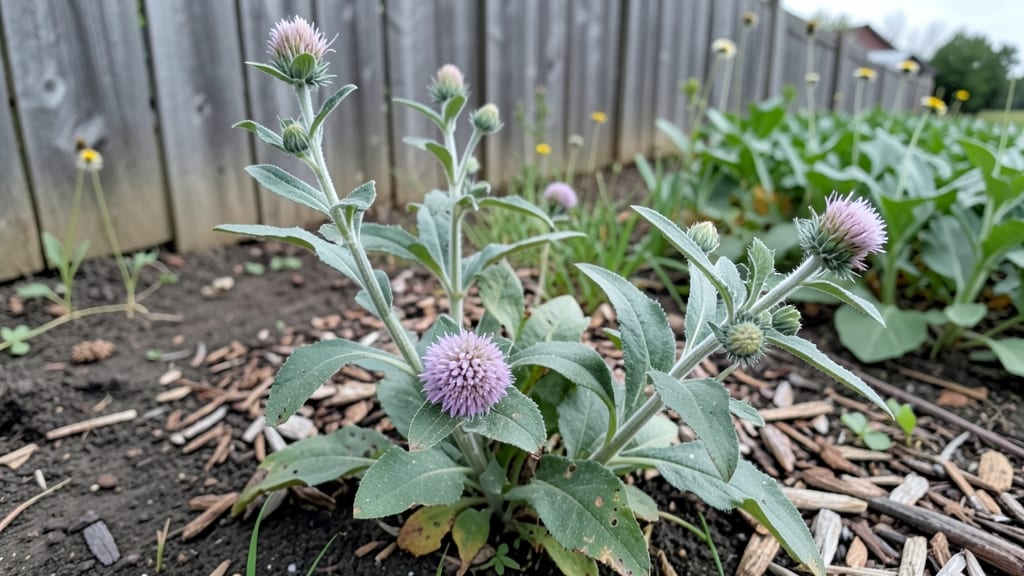
Growing Joe Pye weed perennials turns your garden into a fragrant magnet for butterflies and bees. 🌿 I planted mine last spring, and by summer, towering purple plumes swayed in the breeze while monarchs landed on every bloom.
The secret isn't complicated—just the right spot, moist soil, and patience for those dramatic stems to establish.
This native beauty thrives in full sun to partial shade, making it perfect for wet areas or alongside ponds. Most gardeners overlook its soil tolerance—it handles clay, sand, or loam as long as it stays consistently damp.
Start with bare-root plants in early spring or divide established clumps in fall for instant impact. Within two years, you'll have 5- to 7-foot-tall clouds of color that keep blooming from July through September.
Pruning is the only maintenance trick: cut back the stems to 6-12 inches in late winter before new growth appears. The fresh foliage emerges lush and green, and the flowers return even more vigorous.
Butterflies aren't the only reward—hummingbirds love the nectar, and the fragrant stems make excellent dried arrangements. Even deer usually leave it alone, which is a bonus in my neighborhood.
Hardy in zones 4-9, Joe Pye weed survives winters with no special care. The only real challenge is preventing it from spreading too aggressively—though that's easily managed with a sharp spade in early spring.
Once established, it's one of the most carefree perennials I've grown, and the pollinator traffic never stops. Ready to add some drama to your garden?
Frequently asked questions
about Joe Pye weed (Eutrochium spp.)—the fragrant, pollinator-loving perennial that turns gardens into butterfly hotspots!Is Joe Pye weed invasive in my region?
It depends! Native species like Eutrochium purpureum are generally not invasive in most U.S. zones (3–9). However, hybrids or non-native varieties (like E. dubium) may spread aggressively in moist areas. Check your local invasive species database or opt for clumping cultivars if concerned.
How long does it take for Joe Pye weed to bloom?
Patience pays off! From seed, expect blooms in 2–3 years. If planting established roots, you’ll likely see those iconic pink-purple plumes by mid-to-late summer (July–September). Pro tip: Deadhead spent flowers to encourage a second flush in some varieties!
Why aren’t butterflies visiting my Joe Pye weed?
Butterflies adore Joe Pye weed—but a few factors might deter them:
- Timing: Peak nectar is late summer; if blooms are gone, replant or choose early-flowering varieties.
- Pesticides: Avoid herbicides/neonicotinoids—these kill pollinators.
- Location: Plant in full sun (6+ hours) and moist soil for optimal blooms.
Can I grow Joe Pye weed in containers?
Yes! While it thrives in moist garden beds, containers work too—just use a large pot (18"+ diameter) with well-draining soil and regular watering. Choose compact varieties like ‘Little Zip’ or ‘Gateway’ for smaller spaces. Warning: Roots spread aggressively; prune annually to control size.
What’s a good alternative if Joe Pye weed doesn’t suit my garden?
If you love tall, late-season blooms and butterfly magnetism, try:
- Culver’s root (Veronicastrum virginicum) – Similar height, blue-purple spikes.
- Brown-eyed Susan (Rudbeckia) – Drought-tolerant, golden-yellow blooms.
- Swamp milkweed (Asclepias incarnata) – Hummingbird favorite with pink flowers.
Is Joe Pye weed toxic to pets or humans?
Generally non-toxic to humans and pets, but ingestion in large amounts may cause mild stomach upset. Always monitor pets near new plants. Skin contact: Sap can irritate sensitive skin—wear gloves when handling.
Final thoughts
Joe Pye weed perennials are a low-maintenance, high-reward addition to any garden, offering months of beauty, fragrance, and wildlife support—all while thriving with minimal fuss.
Whether you’re drawn to their towering blooms, butterfly magnet appeal, or soothing scent, this resilient plant proves that nature’s best gifts require little more than patience and a sunny spot. 🌿✨
Ready to invite more magic into your garden? Start small—plant a single clump this season, or share the love by gifting cuttings to fellow plant enthusiasts. Your pollinators will thank you!