
Landscaping
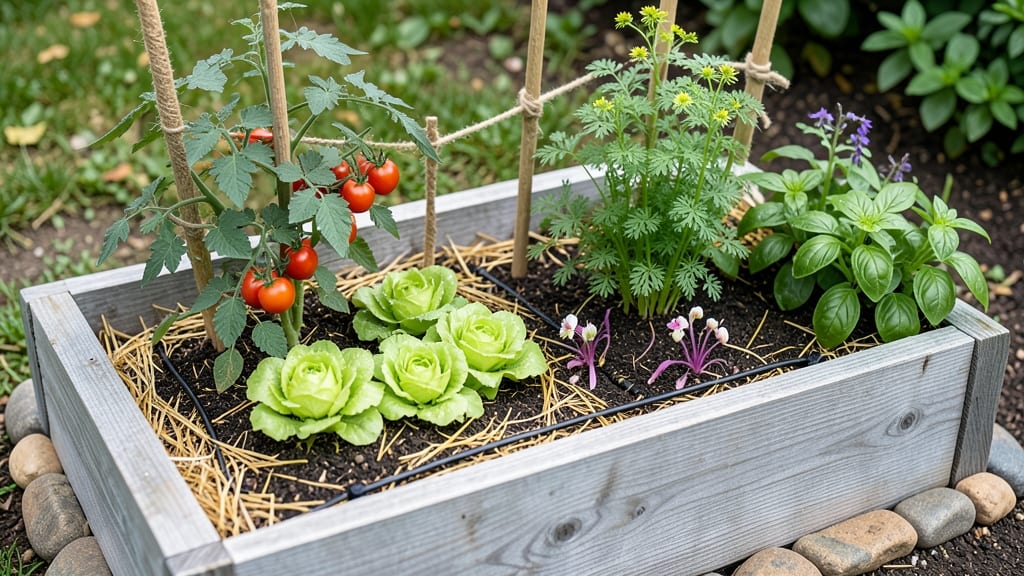
Raised bed planter ideas maximize small spaces with tiered, spiral, or modular designs, while maximizing sunlight exposure and drainage. Mix vegetables, herbs, and flowers for high yields in compact layouts like square-foot gardening or keyhole designs.
When designing these planters, think vertically first—tiered systems or trellis additions can double your growing space. 🌱 The key is balancing plant maturity: place fast-growing greens like lettuce near the edges while reserving center spots for slower crops like tomatoes.
I've found that cedar beds last longer than untreated wood, though composite materials resist rot even better. For urban setups, consider keyhole designs that combine composting with planting, reducing waste while boosting soil fertility.
Square-foot gardening is another game-changer for small areas, where each square foot gets dedicated to one plant type. This method eliminates wasted space between rows and makes crop rotation effortless. If you're working with limited sunlight, opt for reflective surfaces under beds or choose shade-tolerant herbs like mint or parsley.
The beauty of these systems is their adaptability—whether you have a balcony or a backyard, there's a raised bed solution that fits your needs.
💡 In This Article
- How to Design Raised Beds for Optimal Plant Growth
- Best Raised Bed Layouts for Small Gardens and Urban Yards
How to design raised beds for optimal plant growth
Raised bed design starts with soil science—layering nutrients from the bottom up. Begin with a 4-6 inch base of coarse materials like branches or cardboard to improve drainage, then add 6-12 inches of a mix: 60% topsoil, 30% compost, and 10% perlite or vermiculite for aeration.
This depth prevents root binding while maintaining moisture. The key is creating a "sponge-like" structure where water drains quickly but roots can access it—critical for plants like tomatoes that need consistent hydration without waterlogging.
Sunlight mapping transforms your space. Place beds along the south-facing wall (Northern Hemisphere) to maximize 6-8 hours of direct sun—essential for leafy greens and fruiting plants. For shade gardens, use reflective mulch like white gravel under beds to bounce 10-15% more light onto plants.
Vertical elements like trellises for cucumbers or pole beans can add 30-50% more growing space without expanding your footprint, while also improving air circulation to reduce fungal diseases.
Companion planting isn't just about aesthetics—it's a biological strategy. Pair nitrogen-fixers like beans with heavy feeders such as tomatoes to replenish soil naturally. The science? Beans host rhizobia bacteria that convert atmospheric nitrogen into usable forms, while tomatoes benefit from the 20-30% increase in soil nitrogen.
For pest control, interplant basil with tomatoes to repel whiteflies—its strong aroma masks plant scents that attract pests. This layered approach mimics natural ecosystems where diversity reduces vulnerability to pests and diseases.
Material choice affects longevity and growth. Cedar resists rot naturally due to its high tannin content, lasting 10-15 years with proper sealing, while composite lumber (like those made from recycled plastics) never warps but costs 30-50% more.
For urban setups, consider lightweight galvanized steel beds that won't rust and can be mounted on rooftops. The bed's width matters too—4 feet maximum ensures you can reach the center without stepping on soil, which compacts it and damages roots.
Seasonal adjustments keep your beds productive year-round. In spring, top-dress with 1-2 inches of compost to replenish nutrients after winter. For winter gardening, use clear plastic tunnels over beds to extend the season by 4-6 weeks, trapping solar heat while allowing light through.
The temperature inside can rise 10-15°F higher than ambient air, protecting tender crops like spinach from frost. This layered approach—soil science, sunlight optimization, companion planting, and seasonal tweaks—transforms a simple wooden box into a high-yield ecosystem.
Don't overlook the power of microclimates. A north-facing bed in your yard might get only 4 hours of sun, perfect for shade-loving herbs like cilantro or parsley, while the same bed orientation on a south-facing balcony could receive 8 hours.
Test your space with a sunlight tracker app for a week to map these variations. The goal is to match plant needs with available light—like growing lettuce in partial shade where tomatoes would struggle. This precision turns limitations into opportunities for specialized growing.