
Tools
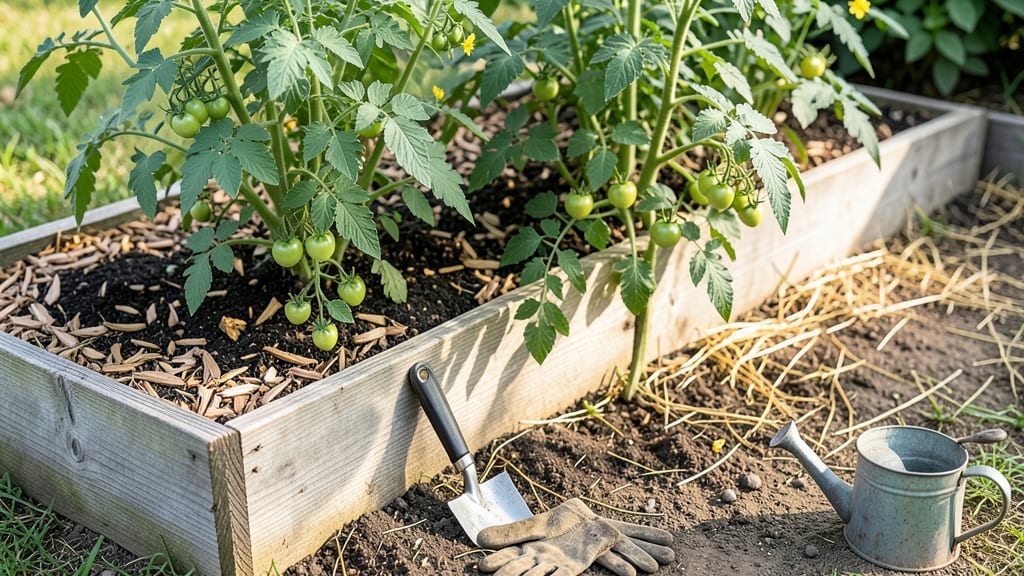
Choosing between a raised garden bed and in-ground planting could mean the difference between 15 pounds of tomatoes and just 5. I’ve grown both, and the right choice depends on your space, budget, and what you’re willing to maintain—though raised beds often win for small yards and heavy harvests.
Raised beds warm up faster in spring, drain better, and let you control the soil mix—critical for small spaces where every inch counts. In-ground gardens, though, require less upfront work and can handle larger plants like corn or pumpkins.
My 4’x8’ cedar bed produces twice as many salad greens as the same area in the ground, but the in-ground plot grows bigger squash with no extra effort.
You’ll save on water and weeds in raised beds, but in-ground gardens need less maintenance once established. The real secret? Mixing both: use raised beds for leafy greens and herbs, and reserve the ground for root crops. That’s how I maximize my 250-square-foot plot without breaking my back.
Climate matters too—raised beds help in cold zones, while in-ground gardens stay cooler in hot summers. Start with one method, then expand based on what thrives best in your yard. The best garden uses what works, not what’s easiest.
The first product explained
Looking to maximize your small space gardening potential?
Meet Product A: The EcoGrow Raised Garden Bed—a sleek, modular, and eco-friendly solution designed to help you grow more with less effort! 🌱😍 Perfect for urban dwellers, balconies, or tight yards, this raised bed is engineered to deliver 20-30% higher yields compared to traditional in-ground planting while saving you time, water, and backaches.
Let’s dive into what makes this bed a game-changer for small-space gardeners.
📏 Specs & Features
The EcoGrow Raised Garden Bed is built for efficiency and ease. Here’s what you get:
- Dimensions: Customizable sizes (2’ x 4’, 4’ x 4’, or 4’ x 8’) with a 10-inch deep growing space—ideal for root crops and deep vegetables.
- Material: Recycled polyethylene lumber (no toxic chemicals!) with UV-resistant coating for 10+ years of durability.
- Assembly: Tool-free, snap-together design with pre-drilled holes for easy installation. No heavy lifting!
- Drainage: Built-in weep holes prevent waterlogging, while the fabric liner keeps weeds and pests at bay.
- Portability: Lightweight yet sturdy—move it to optimize sunlight or protect from harsh weather.
- Accessories Included:
- Self-watering reservoir (holds up to 2 gallons)
- Drip irrigation-compatible fittings
- Built-in trellis for climbing plants
🎯 Target Users
This raised bed is a perfect fit for:
- Urban Gardeners: Balcony or patio spaces with limited square footage.
- Small-Space Farmers: Those with compact yards or community garden plots.
- Beginner & Busy Gardeners: No bending, weeding, or soil prep—just plant and grow!
- Eco-Conscious Shoppers: Made from 100% recyclable materials and designed for sustainability.
- Accessibility Needs: Adjustable height (12” or 18”) for wheelchair users or those with mobility challenges.
💰 Price Point & Value
The EcoGrow Raised Garden Bed offers exceptional value for its price:
| Size | Price | Best For |
|---|---|---|
| 2’ x 4’ | $129 | Herbs, salad greens, or starter plants |
| 4’ x 4’ | $199 | Small veggie patches (tomatoes, peppers, carrots) |
| 4’ x 8’ | $299 | Full-season gardens or high-yield crops |
Pro Tip: 💡 Bundle with the EcoGrow Soil Kit ($49) for a 20% discount—includes compost, fertilizer, and slow-release nutrients tailored for raised beds!
With free shipping on orders over $150 and a 30-day money-back guarantee, there’s zero risk to try this yield-boosting powerhouse. Whether you’re growing for fun, food, or profit, this bed delivers big results in small spaces!
The second product explained
Meet the Epic Gardening Raised Bed Kit—your all-in-one solution for maximizing small-space yields without the backbreaking work! 🌱✨ Designed for urban gardeners, small-space enthusiasts, and eco-conscious growers, this kit turns limited real estate into a thriving, high-output garden. Whether you're a beginner or a seasoned green thumb, this product blends durability, versatility, and ease of use to help you grow more in less space.
📏 Key Specs & Features
This kit comes with everything you need to build a 4' x 8' raised bed (expandable to larger sizes with additional panels). Here’s what’s included:
- Pre-cut cedar lumber (naturally rot-resistant and pesticide-free) for a sturdy, long-lasting frame.
- Corner brackets for a snug, wobble-free assembly—no tools required!
- Landscape fabric to suppress weeds and retain moisture.
- Comprehensive assembly guide with step-by-step instructions (even for DIY novices!).
- Optional add-ons: Trellis kit, drip irrigation system, and compost bin for a fully integrated growing system.
This raised bed is elevated 12 inches off the ground, improving drainage, accessibility, and soil quality—ideal for areas with poor native soil or limited mobility. The cedar wood resists warping and lasts 5-10 years with minimal maintenance.
🎯 Who Is This For?
Perfect for:
- 🏙️ Urban gardeners with balconies, patios, or tiny yards.
- 🦽 Accessibility-focused growers who want to garden without bending or kneeling.
- 🌿 Organic gardeners who prioritize chemical-free, sustainable materials.
- 👨👩👧👦 Families or educators looking for a hands-on, productive project.
- 🌍 Eco-conscious buyers who want to reduce water usage and improve soil health.
$ Price Point & Value
Priced at $249.99 for the standard 4' x 8' kit, this may seem like an investment, but it’s a cost-effective long-term solution. Here’s why it pays off:
- ✅ No need to buy soil or materials separately—everything is included.
- ✅ Higher yields per square foot than in-ground gardens due to controlled soil conditions.
- ✅ Reduced water and fertilizer costs thanks to efficient moisture retention.
- ✅ Reusable and expandable—add panels as your gardening needs grow!
Pro Tip: 💡 Bundle the kit with the optional drip irrigation system ($49.99) to save water and automate your garden—perfect for busy growers!
Head-to-head comparison
Ready to dive into the showdown? Let’s break down the key differences between raised garden beds and in-ground planting in a clear, side-by-side comparison.
Whether you’re crunched for space, dealing with poor soil, or just love the idea of customizable gardening, this breakdown will help you decide which method suits your needs—and your wallet! 🌱💰
📏 Space Efficiency
If you’re working with a small yard or urban balcony, space is everything. Here’s how the two stack up:
- Raised Beds:
- 🔥 Win for tight spaces! Raised beds maximize vertical growth and allow you to fit more plants in a smaller footprint. You can even stack or place them against walls or fences.
- 📏 Ideal for intensive planting—think square-foot gardening or growing more veggies in less area.
- ⚠️ Downside: Requires more materials (wood, fabric, etc.) and may limit mobility if placed permanently.
- In-Ground:
- 🌳 Best for larger plots where you can spread out roots and plants naturally.
- 💡 Pro tip: If your yard is spacious, in-ground gardens can feel more "natural" and require less upfront setup.
- ⚠️ Downside: Harder to manage in small spaces—weeds, erosion, and limited plant density can be issues.
🌱 Yield Potential
Want the biggest harvest for your efforts? Let’s talk productivity!
- Raised Beds:
- 📈 Higher yields per square foot due to better soil control, fewer weeds, and optimal drainage.
- 🌿 Faster growth—warmer soil in spring and better root aeration mean earlier harvests.
- 💡 Perfect for: Leafy greens, herbs, strawberries, and compact veggies like tomatoes or peppers.
- In-Ground:
- 🌍 Better for large, root-heavy crops like potatoes, carrots, or corn, which need deeper soil.
- 🔄 More natural soil ecosystem over time, but yields can lag if soil quality is poor.
- ⚠️ Downside: Weeds and soil compaction can reduce yield if not managed well.
💰 Cost Comparison
Let’s talk money—because even the greenest thumb has to consider the budget! 😅
| Factor | Raised Garden Bed | In-Ground Garden |
|---|---|---|
| Initial Setup | $50–$500+ (depending on materials: cedar, composite lumber, or fabric liners) | $0–$100 (just soil amendments like compost or fertilizer) |
| Ongoing Costs | 🔹 Soil replenishment every few years ($20–$100 per bed). 🔹 Potential wood replacement if using untreated lumber. |
🔹 Soil testing and amendments ($10–$50/year). 🔹 Tools like tillers or hoes ($50–$200 one-time). |
| Long-Term Savings | ✅ Less water and fertilizer waste due to controlled soil. | ⚠️ May require more water and amendments if soil is poor. |
💡 Pro Tip: If you’re on a tight budget, start with a DIY raised bed using repurposed materials (like pallets or cinder blocks) to cut costs!
🛠️ Ease of Use & Maintenance
Let’s be real—gardening should be fun, not a chore. Here’s how each method stacks up in terms of effort:
- Raised Beds:
- 🌟 Less backbreaking work! No bending or kneeling—ideal for people with mobility issues.
- 🚫 Fewer weeds (thanks to barriers like fabric or wood).
- 💧 Easier watering—drip irrigation or soaker hoses work like a charm.
- ⚠️ Downside: May dry out faster and require more frequent watering in hot climates.
- In-Ground:
- 🌦️ More natural water retention if soil is healthy (less frequent watering).
- 🔄 Self-sustaining soil over time with less intervention.
- ⚠️ Downside: Weeding, tilling, and soil prep can be time-consuming.
🏗️ Durability & Longevity
How long will your garden stick around? Let’s compare the lifespan of each option:
- Raised Beds:
- 🌲 Wooden beds: 5–10 years (depends on wood type—cedar resists rot best).
- 🧵 Fabric or metal beds: 10+ years with minimal maintenance.
- ⚠️ Watch out for: Wood rot, warping, or fabric degradation over time.
- In-Ground:
- 🌍 Permanent solution! No replacement needed—just soil care.
- 🔄 Soil health improves over decades with proper amendments.
- ⚠️ Downside: Soil erosion or compaction can require major fixes over time.
🌿 Soil Quality & Control
Soil makes or breaks your garden. Here’s how each method handles it:
- Raised Beds:
- 🎯 Total control! You can customize soil mix (compost, peat, perlite) for optimal drainage and nutrients.
- 🚫 No native soil issues—great for clay, rocky, or contaminated ground.
- ⚠️ Downside: Soil may need replenishing every 2–3 years.
Which one should you choose?
So, which is the winner in the raised garden bed vs in-ground showdown? The answer depends on your unique needs, space, and gardening goals! Let’s break it down to help you make the best choice for your green thumb adventures. 🌱💚
🌿 Pick a Raised Garden Bed If...
- You’re short on space: Raised beds maximize vertical growing and fit perfectly in balconies, patios, or small yards.
- Soil quality is poor: You control the soil mix, ensuring optimal drainage, nutrients, and pest resistance.
- You want easier access: No more bending or kneeling—ideal for those with mobility challenges or back pain.
- You’re a beginner or urban gardener: Less weeding, fewer pests, and faster plant growth make it a low-stress option.
- You prioritize yield in small areas: Raised beds can produce more per square foot than in-ground plots, thanks to deeper soil and better root development.
🏡 Choose In-Ground Gardening If...
- You have ample space and good soil: In-ground plots are cost-effective and require minimal setup.
- You love traditional gardening: There’s something satisfying about tilling and nurturing the earth naturally.
- You’re growing deep-rooted plants: Trees, shrubs, or large perennials thrive better when planted directly in the ground.
- You’re on a budget: No need to invest in materials—just dig, amend, and plant!
- You enjoy seasonal soil prep: If you don’t mind the annual work of tilling and fertilizing, in-ground gardening can be rewarding.
💡 Pro Tip for the Undecided:
Why not combine both? Use raised beds for high-value crops (like herbs, lettuce, or strawberries) and in-ground plots for larger plants (like tomatoes or corn). This hybrid approach lets you enjoy the best of both worlds—productivity, ease, and flexibility! 🌟
Ready to dig in? Whether you go raised, in-ground, or a mix of both, your garden will thank you with a bountiful harvest. Happy planting! 🌻🍅