
Landscaping
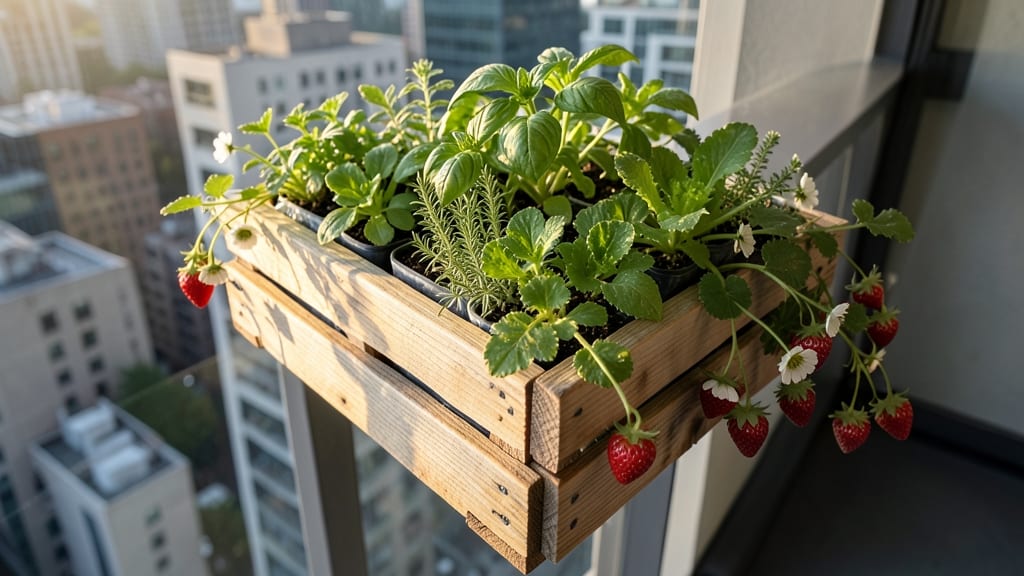
Urban gardeners with limited space can transform pallets into functional, stylish raised beds. These 10 creative pallet raised bed ideas maximize small yards, balconies, and patios while boosting plant productivity—no construction skills required.
Vertical Pallet Herb Garden Wall
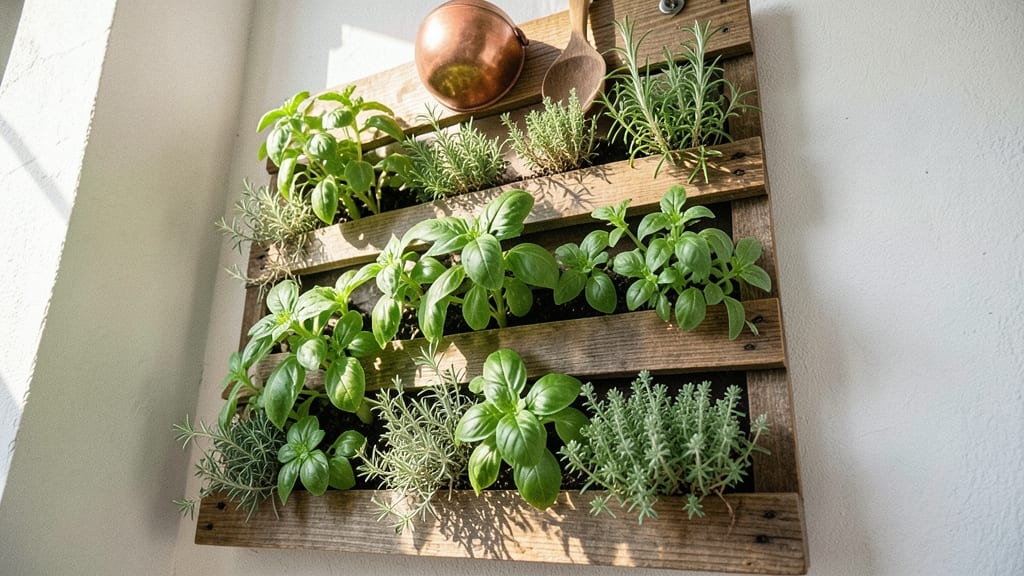
Transform your kitchen or balcony into a fragrant, functional herb garden with a vertical pallet herb wall. This space-saving design lets you grow basil, rosemary, and thyme right where you cook, ensuring fresh ingredients are always within arm's reach.
Start by sanding and sealing a pallet to prevent splinters, then line the gaps with landscape fabric to retain soil. Fill each section with well-draining potting mix and plant your herbs in individual pockets or containers. Position the wall in a spot with at least 6 hours of sun daily—herbs like rosemary thrive in full sun, while basil prefers partial shade in hot climates. For easy access, mount the pallet on brackets or a sturdy frame, and add a drip irrigation system to simplify watering.
This project is perfect for urban gardeners with limited space or those who want to bring the garden indoors. Plus, the rustic charm of the pallet adds a cozy, organic touch to any kitchen decor. 🌿
Tiered Pallet Succulent Display
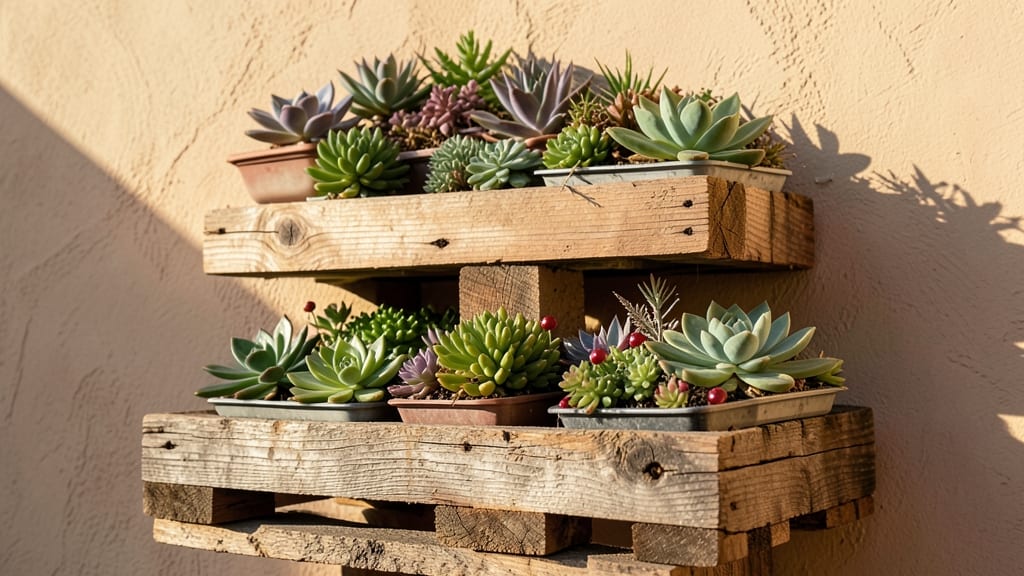
If you’ve ever dreamed of a desert-inspired garden but lack outdoor space, a tiered pallet succulent display brings the beauty of drought-resistant plants to your balcony or patio—without the fuss. This stacked design maximizes vertical space while requiring just 10-15 minutes of care per month, making it ideal for busy urban dwellers.
Start by stacking heat-treated pallets (to avoid chemicals) at varying heights, securing them with brackets or cinder blocks for stability. Fill each tier with cactus/succulent mix soil and arrange plants like echeveria, haworthia, or sedum in terracotta pots for a cohesive look. Place the display near a bright, indirect-light window (east or north-facing) to prevent sunburn, and water only when the soil feels completely dry—typically every 3-4 weeks.
This project is perfect for renters, small-space gardeners, or anyone who wants a low-water, high-impact garden that thrives on neglect. Plus, the tiered design adds visual interest to any urban oasis. 🌿
Corner Pallet Planter for Small Spaces
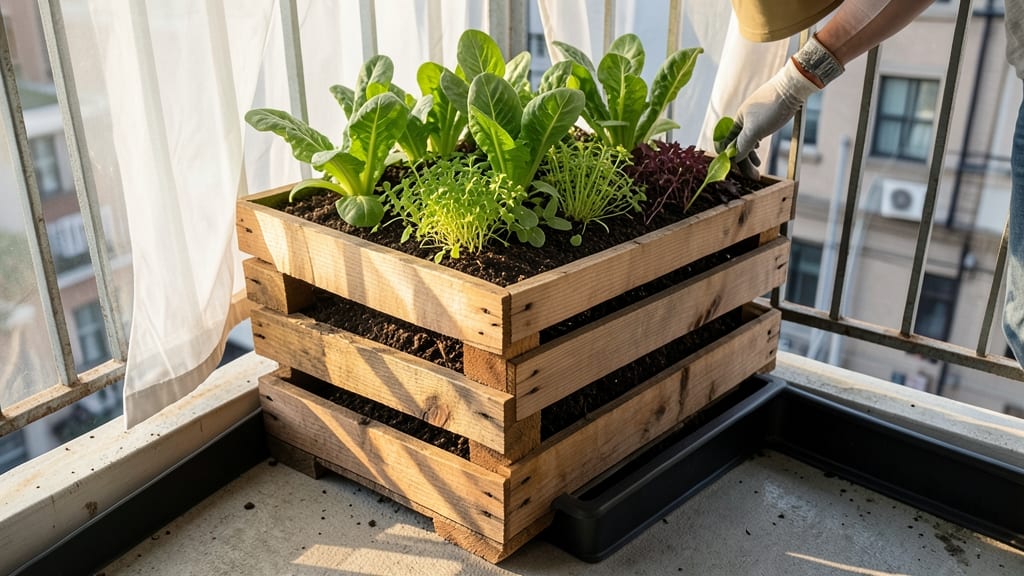
Turn even the trickiest corner of your balcony or doorway into a thriving garden with a corner pallet planter. This space-saving design maximizes limited square footage while providing the perfect home for leafy greens like lettuce, spinach, or microgreens—ideal for urban gardeners with partial sunlight.
Construct it by securing a pallet diagonally in the corner using galvanized brackets or L-shaped hardware for stability. Fill with well-draining potting mix and sow seeds directly or transplant young plants. The shallow depth (6-8 inches) is perfect for quick-harvest crops, and the angled design ensures even sunlight exposure. Water gently to avoid runoff, and you’ll enjoy fresh greens in as little as 3-4 weeks!
This planter is a game-changer for renters, small-space gardeners, or anyone with limited sunlight—no yard required. 🌱
Pallet Window Box Vegetable Garden
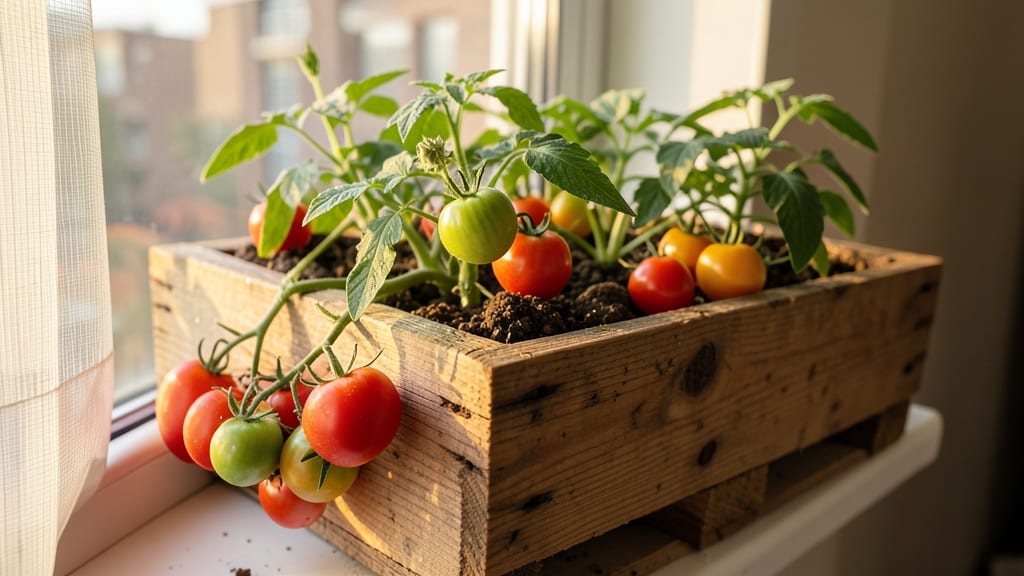
Turn your windowsill into a mini harvest zone with a pallet window box vegetable garden—ideal for city dwellers who dream of fresh produce but lack outdoor space. This design repurposes a single pallet into a deep, sturdy planter that fits snugly under windows, perfect for sun-hungry cherry tomatoes, peppers, or strawberries.
Start by sanding and sealing the pallet to prevent splinters, then line the bottom with landscape fabric to retain moisture. Fill with a lightweight potting mix and plant your chosen vegetables, ensuring they receive at least 6 hours of sun daily. The depth of a pallet (typically 12-18 inches) accommodates root growth for most vegetables, while the width allows for multiple plants in a small footprint.
This solution is perfect for renters or urban gardeners who want to grow food without permanent installations. Plus, the rustic charm of a pallet adds character to any home. 🌻
Pallet Greenhouse for Seedlings
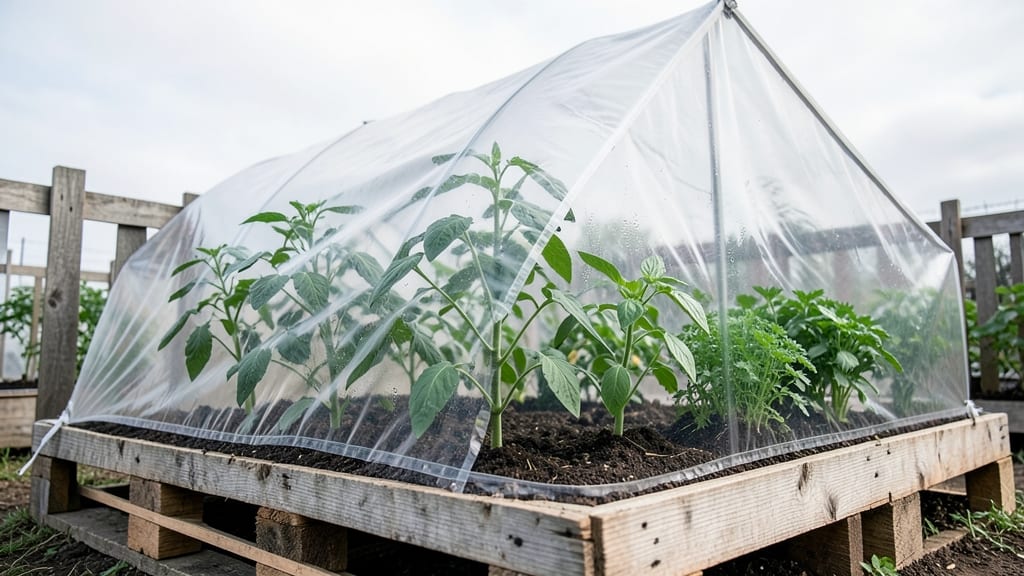
Ready to beat the clock and start seedlings earlier than ever? A pallet greenhouse turns a simple wooden frame into a climate-controlled nursery, letting you grow tomatoes, peppers, or herbs weeks before your last frost date—even in chilly climates.
Use clear plastic sheeting (like 6-mil greenhouse plastic) or repurpose old glass panels to create a transparent roof. Secure it tightly over the pallet frame with zip ties or screws, leaving small ventilation gaps to prevent overheating. Place your seedling trays inside, and watch the microclimate protect tender plants from frost, wind, and temperature swings. For extra warmth, add a low-wattage heat mat on cloudy days.
This budget-friendly hack is perfect for urban gardeners with limited space or those eager to extend their growing season. No fancy tools needed—just a pallet, some plastic, and a sunny spot! 🌱
Pallet Mushroom Cultivation Bed
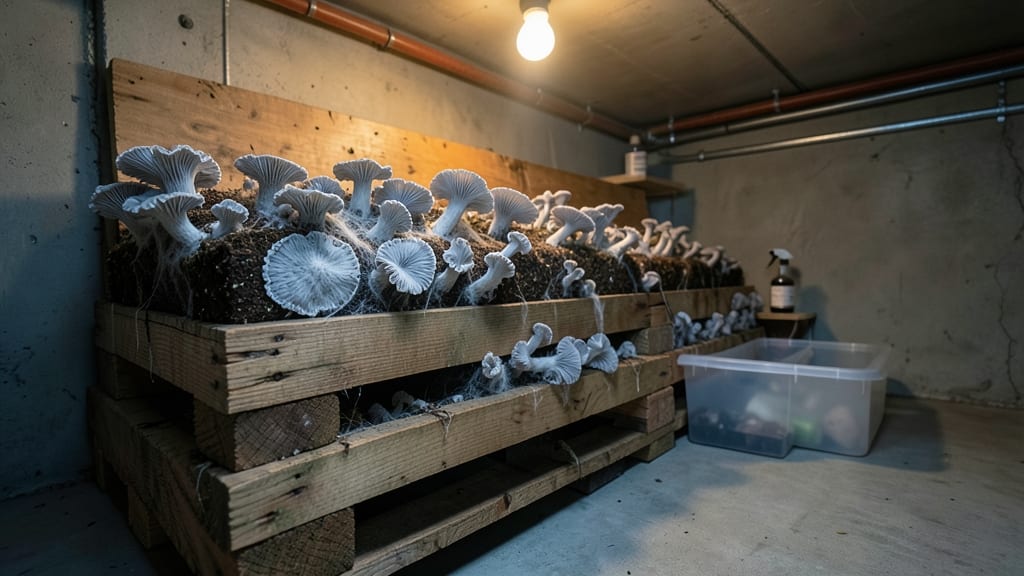
Turn your garage or basement into a mini mushroom farm with a pallet mushroom cultivation bed—no green thumb or outdoor space required. This innovative setup lets you grow oyster mushrooms on repurposed pallet wood, using the natural cellulose as a nutrient-rich substrate while keeping your setup compact and contained.
Start by breaking down a clean, untreated pallet into slats and soaking them in hot water for 12 hours to soften the wood. Mix straw, oyster mushroom spawn, and water in a bucket, then stuff the mixture between the pallet slats. Stack the slats vertically in a tray or box, cover with a damp towel, and keep in a cool, dark space (60-75°F). In just 1-2 weeks, you’ll see white mycelium spread before mushrooms emerge—ready to harvest in 3-5 days!
This project is perfect for urban foragers or anyone curious about growing food indoors. Plus, oyster mushrooms thrive in low-light conditions, making them ideal for small spaces where sunlight is scarce. 🌟
Pallet Trellis Vegetable Garden
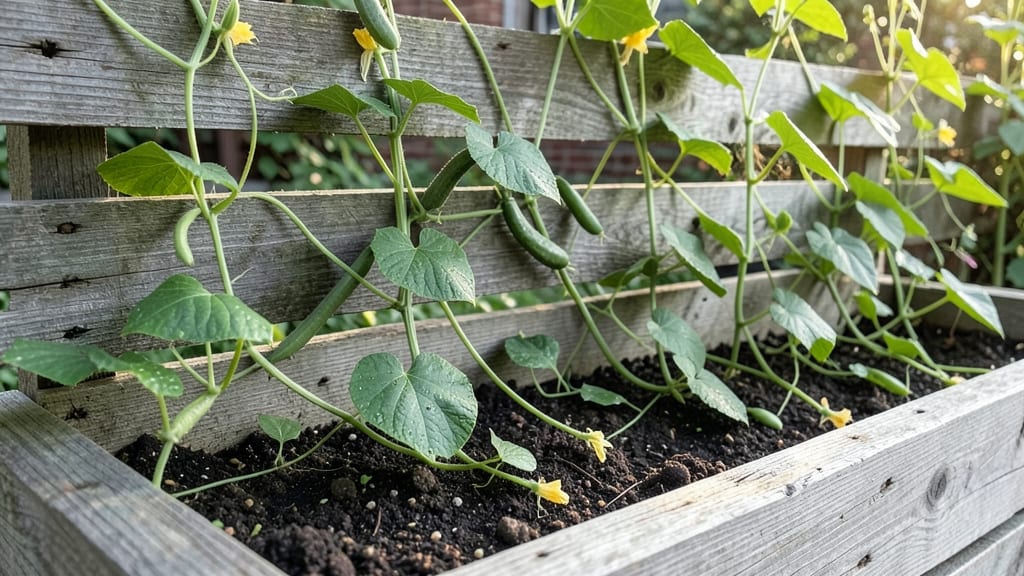
Double your harvest in half the space with a pallet trellis vegetable garden—the ultimate solution for growing cucumbers, pole beans, or peas where every inch counts. This two-in-one design turns a standard pallet into both a raised bed and a sturdy trellis, eliminating the need for separate supports while maximizing vertical growth.
Start by attaching a simple wooden trellis frame (using pallet slats or 1x2 lumber) to one side of the bed, then plant your vining crops at the base. The 12-18 inch depth of a pallet accommodates root growth, while the trellis guides plants upward, saving floor space. For extra stability, secure the trellis with galvanized screws or brackets—and watch your cucumbers or beans climb toward the sun while bush varieties thrive below.
This system is perfect for urban gardeners, balcony growers, or anyone with limited square footage who wants a high-yield, space-efficient harvest. 🌱
Pallet Compost Bin System
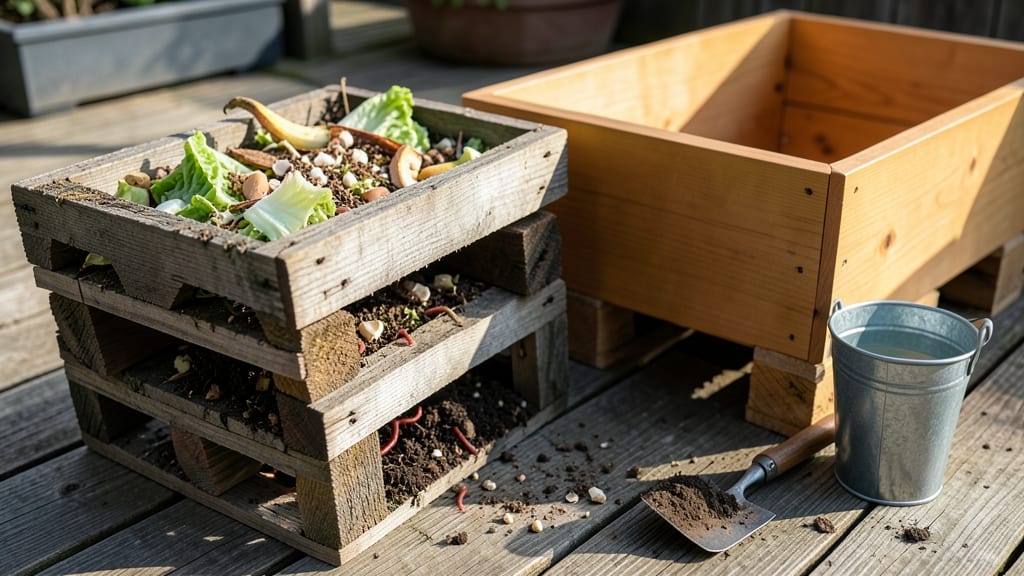
Turn your kitchen scraps into garden gold with a pallet compost bin system—a clever, space-saving solution that doubles as both a compost bin and a decorative element alongside your raised beds. This design is perfect for urban gardeners who want to reduce waste while creating nutrient-rich soil for their plants, all without taking up extra yard space.
Build your bin by stacking two pallets side by side, leaving a gap in the middle for airflow. Line the bottom with chicken wire or hardware cloth to prevent burrowing pests, then add alternating layers of brown materials (like dried leaves or shredded newspaper) and green materials (fruit peels, coffee grounds, or grass clippings). Place the bin near your raised beds for easy access to finished compost. With proper layering, you’ll have rich, crumbly compost in 3-6 months—ready to feed your vegetables, flowers, or herbs.
This system is ideal for small-space gardeners, apartment balconies, or community gardens where composting might otherwise feel impossible. Plus, the rustic charm of repurposed pallets adds a touch of sustainability to your garden aesthetic. 🌱
Pallet Fairy Garden for Children
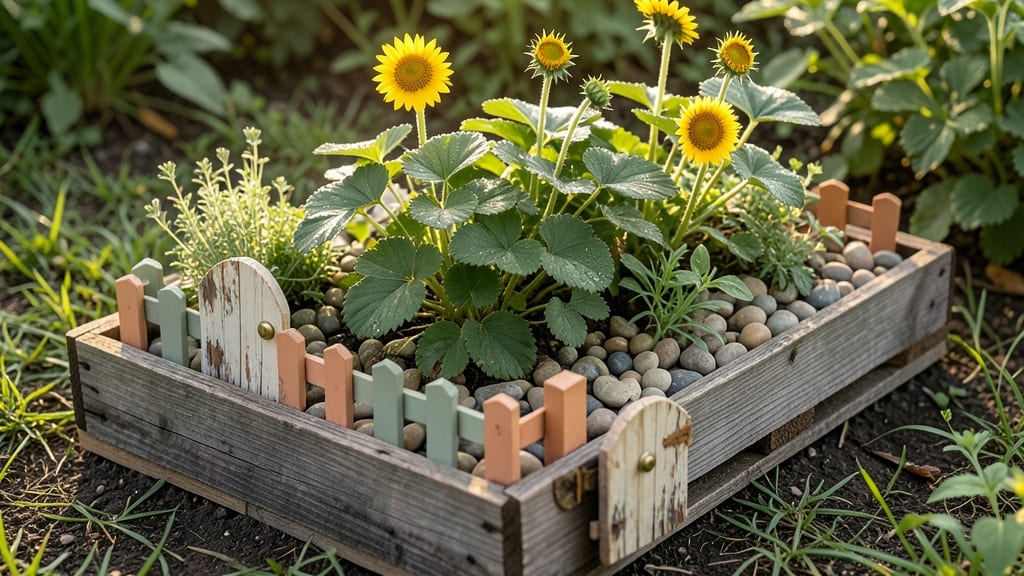
Turn a simple pallet into a magical mini garden that sparks your child’s curiosity and creativity! A pallet fairy garden lets kids grow their own strawberries, sunflowers, or herbs while crafting a whimsical world with pebbles, tiny fences, and fairy doors—perfect for sparking imagination and a love of nature.
Start by sanding and sealing a small pallet to create a safe, splinter-free base. Fill it with well-draining soil and plant easy-to-grow options like strawberries (for sweet rewards) or marigolds (bright colors that repel pests). Add decorative elements like smooth river rocks, mini mushrooms (made from clay), or a tiny wooden bridge to make it feel like a fairy’s home. Place it in a spot with at least 4-6 hours of sunlight daily—kids will love checking on their plants every day.
This project is ideal for parents who want to teach responsibility through gardening while fostering creativity. Plus, it’s lightweight enough for kids to help assemble and decorate—turning playtime into a hands-on learning experience! ✨
Pallet Rooftop Garden Planter

Turn your high-rise balcony or rooftop into a thriving garden with a pallet rooftop garden planter—the perfect lightweight solution for urban growers. This design prioritizes wind resistance and weight limits while maximizing space for herbs, strawberries, or shallow-rooted veggies like lettuce and radishes.
Start by reinforcing the pallet with galvanized metal edging to prevent warping and secure it to your rooftop or balcony railing using heavy-duty brackets. Line the bottom with landscape fabric to retain moisture, then fill with a lightweight potting mix blended with perlite for drainage. Choose compact varieties like strawberries, thyme, or bush beans—these thrive in the planter’s 6-12 inch depth while staying lightweight. For extra stability, add weighted corners or anchor the planter to the structure.
This planter is ideal for city dwellers with limited outdoor space who want to grow food without heavy concrete beds. The modular design lets you expand or relocate it as needed, making it a versatile choice for small-space gardeners. 🌱