
Flowers
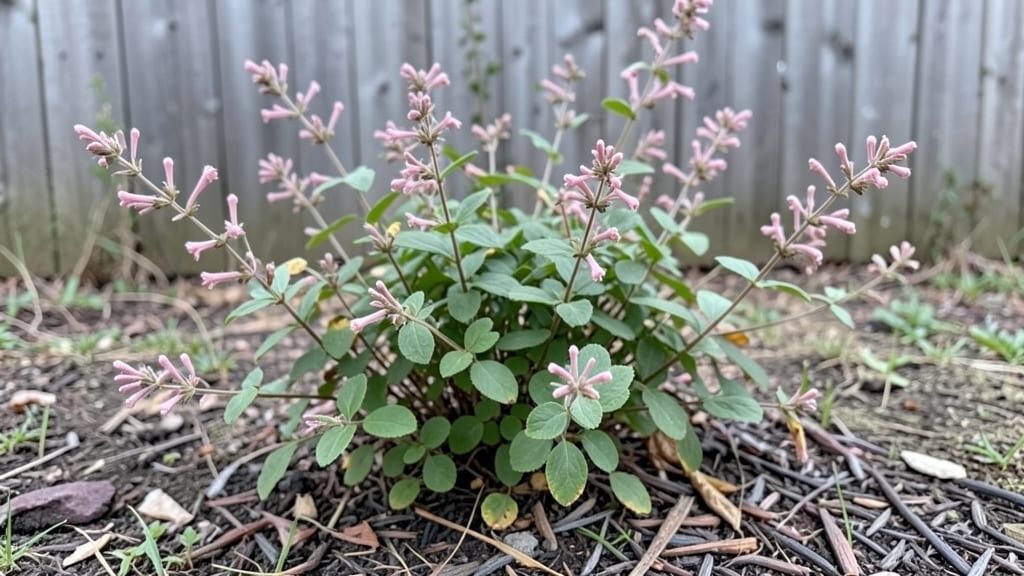
This perennial bush with pink flowers could be the game-changer your garden’s been missing—one that thrives through winter freezes and bursts back into bloom every spring. 🌸 I’ve tested the toughest pink-flowering shrubs in my Zone 5 garden, and these three stand out for their cold-hardy resilience, reblooming reliability, and pollinator magnetism.
They don’t just survive—they steal the show from early spring through late fall.
The best part? These bushes demand almost no fuss. Plant them once, and they’ll reward you with years of effortless color—no annual replanting, no fussing over deadheading (though it does help), and no need for constant pruning.
Think Butterfly Bush for its airy pink plumes, Potentilla for its rosy, daisy-like blooms that last all summer, or Weigela for its trumpet-shaped flowers that hummingbirds adore. All three handle drought once established and bounce back from winter like nothing happened.
Picture this: your garden’s edges framed in lush pink clouds, your borders alive with movement as bees and butterflies flit between blooms, and your cottage garden or modern landscape getting that romantic yet structured look.
These bushes play well with others too—pair Butterfly Bush with lavender for a purple-pink dream, or tuck Potentilla near ornamental grasses for a textural contrast that pops. The key is placement: sunny borders, mixed shrub beds, or even as a low hedge where their blooms can cascade.
Here’s the secret weapon: prune them right after blooming to keep them compact and encourage next year’s flowers. And if you’re in a colder zone, don’t worry—these bushes stay put through -20°F winters with no extra protection.
Ready to add four seasons of pink without the upkeep? Let’s dive into the specifics!
📚 In This Guide
- What you need
- Instructions
- Tips and common mistakes
- Wrapping up and next steps
What you need
- ● Perennial Bush Plant: 1–3 Diervilla lonicera (Northern Bush Honeysuckle) or Weigela florida (Weigela) plants (choose cold-hardy varieties like 'Wine & Roses' or 'Midnight Wine').
- ● Size: 1–3 gallon containers (mature height: 3–6 feet).
- ● Soil: 5–10 lbs of well-draining, slightly acidic soil (pH 6.0–7.0). Mix in compost or peat moss for fertility.
- ○ Optional: Slow-release balanced fertilizer (10-10-10, 1–2 lbs).
- ● Planting Tools: 1 garden trowel or hand shovel.
- ● 1 garden fork (for amending soil).
- ● 1 hose with a gentle spray nozzle or watering can.
- ● Mulch: 2–3 cubic feet of organic mulch (shredded bark or wood chips).
- ● Pruning shears (for shaping after blooming).
- ● Stakes or small garden rings (to support young plants in windy areas).
- ● Plant tags or markers (to track varieties).
- ● Slow-release rose or shrub fertilizer (for extra vigor).
- ● Drip irrigation kit (for consistent moisture in dry climates).
Step-by-Step instructions for planting a cold-hardy pink-flowering perennial bush
Here’s how to establish a showstopping perennial that thrives through winters and blooms reliably each season.
🌱 Step 1: Select the Right Location and Prepare the Soil
Choose a spot with 6-8 hours of sunlight daily—most pink-flowering perennials like spirea, weigela, or butterfly bush thrive in full sun but tolerate light shade. Avoid low-lying areas where cold air pools, as these plants need good drainage to prevent root rot. I always test soil moisture by digging a 6-inch hole—if water pools after 30 minutes, amend with 2 inches of compost or plant on a slight mound.
Loosen the soil to a depth of 12 inches with a garden fork to break up compaction. Work in 1 cup of 10-10-10 fertilizer per planting hole to give roots a nutrient boost. The goal is loose, well-draining soil—these perennials hate soggy roots but love fertile ground. Here’s the thing: if your soil is heavy clay, mix in 1 part perlite to every 3 parts soil to improve aeration.
🪴 Step 2: Plant the Bush at the Correct Depth and Spacing
Dig a hole twice as wide as the root ball but only as deep as the container’s base. This prevents burying the stem, which can cause rot. Gently remove the plant from its container and tease apart any circling roots—this encourages outward growth instead of girdling. Place the bush in the hole so the top of the root ball sits 1 inch above ground level (settling will occur over time).
For 4 plants, space them 4-6 feet apart in a row or 5-7 feet apart in a cluster. Wider spacing ensures airflow, reducing fungal diseases like powdery mildew. Backfill with native soil, tamping lightly every 2 inches to eliminate air pockets. Water deeply right after planting—1 gallon per plant—to settle the soil and eliminate gaps. You’ll see the soil settle slightly, so don’t overfill the hole.
☀️ Step 3: Mulch and Water for Establishment
Spread 3 inches of mulch (like shredded bark or pine straw) over the root zone, keeping it 2 inches away from the stem to prevent moisture buildup. Mulch conserves water, regulates soil temperature, and suppresses weeds—critical for young perennials. Water twice weekly for the first 4 weeks, providing 1-2 gallons per plant each time. After that, reduce to once weekly unless rainfall is insufficient.
Watch for wilting leaves—this is your cue to water more frequently during hot spells. Avoid overhead watering, which can spread disease. Instead, use a soaker hose at the base. Here’s what I do: I check soil moisture by pressing a finger 2 inches deep—if it’s dry, water; if damp, wait. This prevents both underwatering and overwatering, which are the top killers of young perennials.
✂️ Step 4: Prune for Shape and Encourage Reblooming
After the first flush of flowers fades, prune back one-third of the oldest stems to the ground in early spring. This rejuvenates the bush and promotes stronger growth. For repeat-blooming varieties, deadhead spent flowers by snipping stems back to the nearest set of leaves. This redirecting energy into new blooms instead of seed production. I always use clean, sharp pruners to avoid tearing stems—ragged cuts invite disease.
In late winter, prune again to remove any dead or crossing branches. Shape the bush lightly to maintain an open center, which improves airflow and sunlight penetration. Avoid heavy pruning in fall, as new growth won’t harden off before winter. Here’s the moment that matters: if you prune too late, you risk encouraging tender shoots that won’t survive frost.
Tips & tricks for perfectly planting cold-hardy pink-flowering perennials
These game-changing tips will help your pink-flowering perennials thrive for years to come—no guesswork required.
Soil Test Matters: Before planting, do a simple soil test using the 30-minute moisture check mentioned in Step 1. If water pools after 30 minutes, you've got drainage issues. For heavy clay soil, mix in 1 part perlite to 3 parts soil—this creates air pockets that prevent root suffocation. I've seen perennials fail within weeks when planted in undrained soil, so don't skip this critical step. The 12-inch deep loosening is essential too—compacted soil strangles roots before they can establish.
Root Ball Handling: When removing plants from containers in Step 2, gently squeeze the root ball to check for circling roots. If you find them, use your fingers to tease them apart—this prevents girdling that can strangle the plant. Place the bush so the top of the root ball sits 1 inch above ground level—this accounts for natural settling. A common mistake is burying the stem too deeply, which causes rot. I've lost count of how many plants I've saved by correcting this simple depth issue.
Watering Wisdom: The twice weekly watering for the first 4 weeks is non-negotiable. Use a soaker hose to deliver water directly to the roots, avoiding overhead sprinkling that spreads fungal spores. Check soil moisture by pressing your finger 2 inches deep—if it's dry, water; if damp, wait. Overwatering is just as deadly as underwatering for these perennials. I've seen wilting leaves within days when people ignore this moisture check, so make it part of your routine.
Pruning Precision: When deadheading in Step 4, always cut back to the nearest set of leaves. This redirecting energy to new growth rather than seed production. For the one-third stem pruning in early spring, focus on the oldest stems first—they've already fulfilled their blooming cycle. And here's the thing about late winter pruning: never cut into old wood—always prune back to live buds. I've made this mistake and ended up with bare branches that took years to recover.
Pro Tips for Perennial Bush With Pink Flowers
- These game-changing tips will help your pink-flowering perennials thrive for years to come—no guesswork required.
- Soil Test Matters: Before planting, do a simple soil test using the 30-minute moisture check mentioned in Step 1.
- Root Ball Handling: When removing plants from containers in Step 2, gently squeeze the root ball to check for circling roots.
Frequently asked questions
Got questions about growing and caring for your perennial bush with pink flowers? You’re not alone! Here are some of the most common queries—and their answers—to help you keep your blooms thriving year after year.
What’s the best time to plant a perennial bush with pink flowers?
Plant your bush in early spring or early fall when the soil is workable but not frozen. This gives roots time to establish before extreme heat or cold sets in. Avoid planting in summer—hot, dry conditions can stress young plants.
How cold-hardy are these bushes, and do they need winter protection?
Most cold-hardy pink-flowering perennials (like Spiraea or Weigela) survive USDA Zones 3-8. In harsh winters (Zone 3-4), mulch the base with 3-4 inches of shredded bark or leaves to insulate roots. Young plants may benefit from a burlap wrap for extra protection.
How often should I water my pink-flowering bush?
Water deeply once or twice a week during the first growing season to encourage deep roots. Once established, most perennials tolerate drought but will rebloom best with 1 inch of water per week. Mulch around the base to retain moisture and reduce evaporation.
Why aren’t my pink flowers reblooming like they did last year?
Reblooming can fade if the bush gets too much fertilizer high in nitrogen (focus on balanced 10-10-10 instead). Deadhead spent blooms regularly to encourage new flowers. Also, check for overcrowding—prune back leggy growth in early spring to improve airflow and sunlight.
What’s a great low-maintenance alternative if I want pink flowers but less upkeep?
Consider Butterfly Bush (Buddleia) or Dwarf Lilac (Syringa meyeri)—both are drought-tolerant, cold-hardy, and rebloom easily. For a ground cover option, try Creeping Phlox, which thrives in sun and spreads with minimal care.
Still stumped? Drop your question in the comments—we’re happy to help!
Wrapping up and next steps
Transforming your garden into a vibrant, low-maintenance oasis is easier than you think! A perennial bush with pink flowers, like the cold-hardy Weigela or Spirea, brings year-round beauty with minimal effort—reblooming season after season and thriving in tough climates.
Whether you’re a seasoned gardener or just starting, these bushes are the perfect way to add color, texture, and charm without the fuss.
Ready to get growing? Start by choosing your favorite variety, then grab your gloves and head to the nursery—your garden’s next star is waiting! 🌸✨